
Continuing on Value Added Leftover Space-I
What about other temporary uses?
Other temporary uses, such as agricultural vending or outdoor seasonal sales, might not be suitable if you want continuous and ongoing activities. These uses have more restrictions, such as minimum land requirement (2 acres for agricultural vending) or time duration restriction (maximum of 45 days for outdoor seasonal sales).
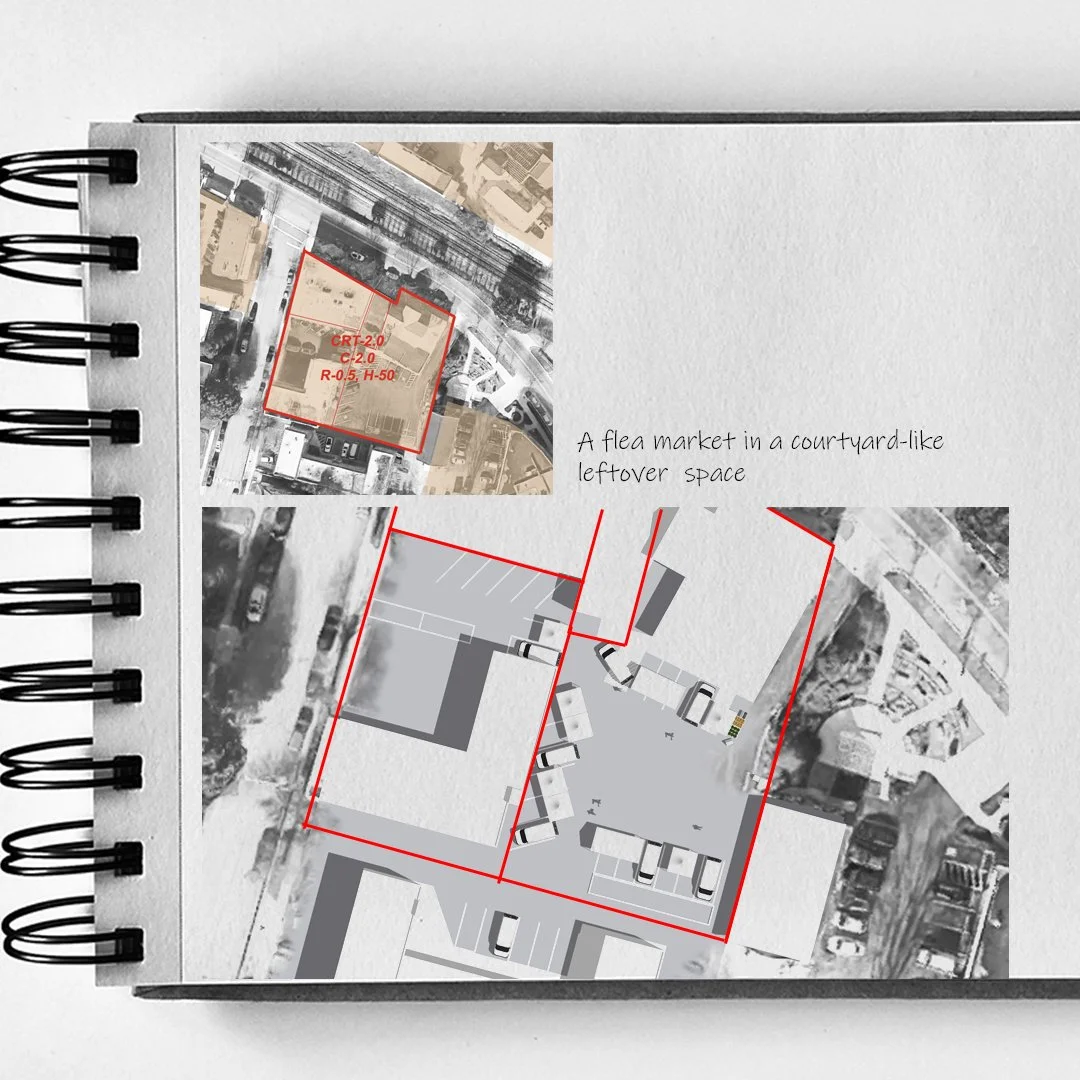
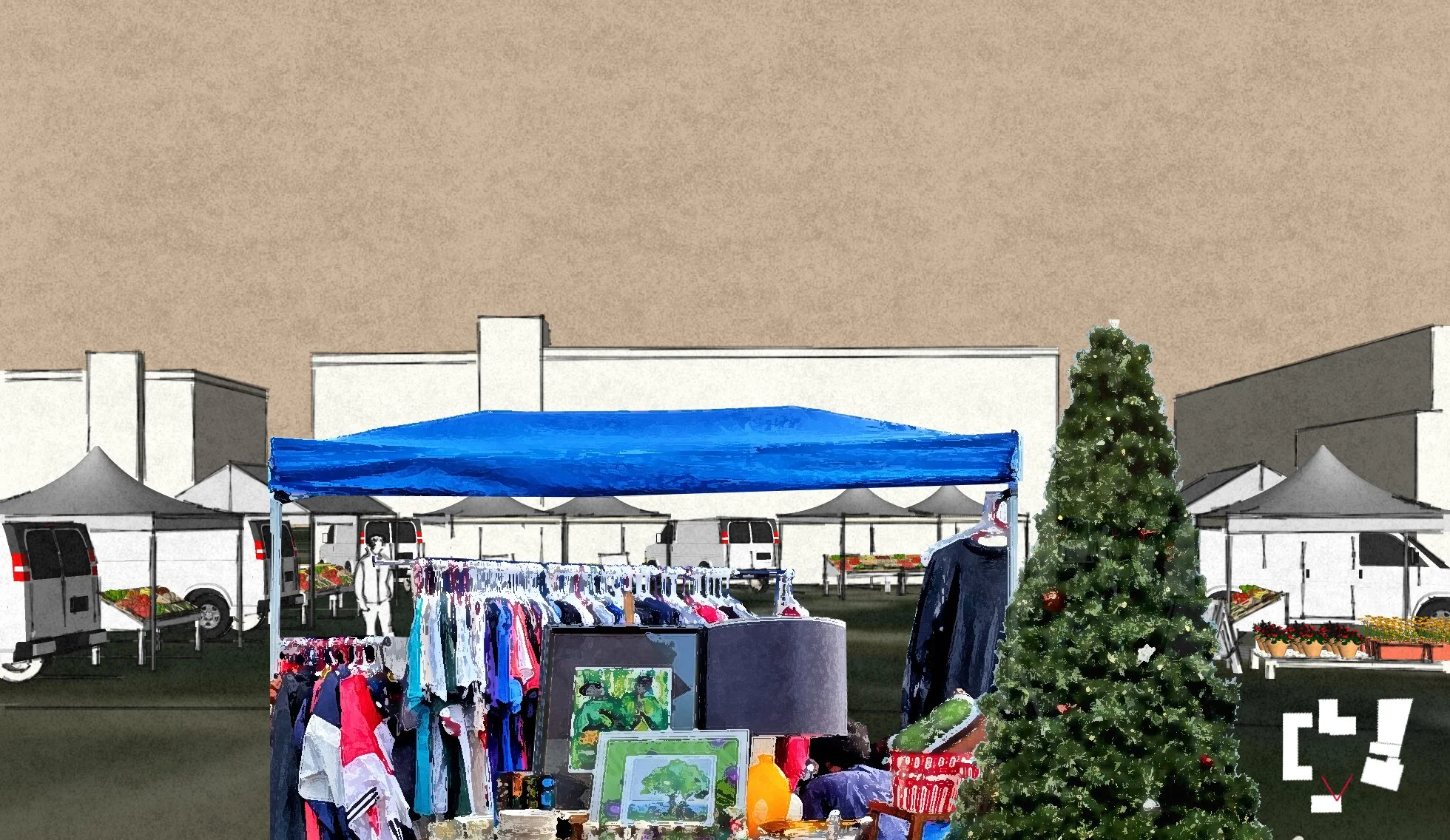
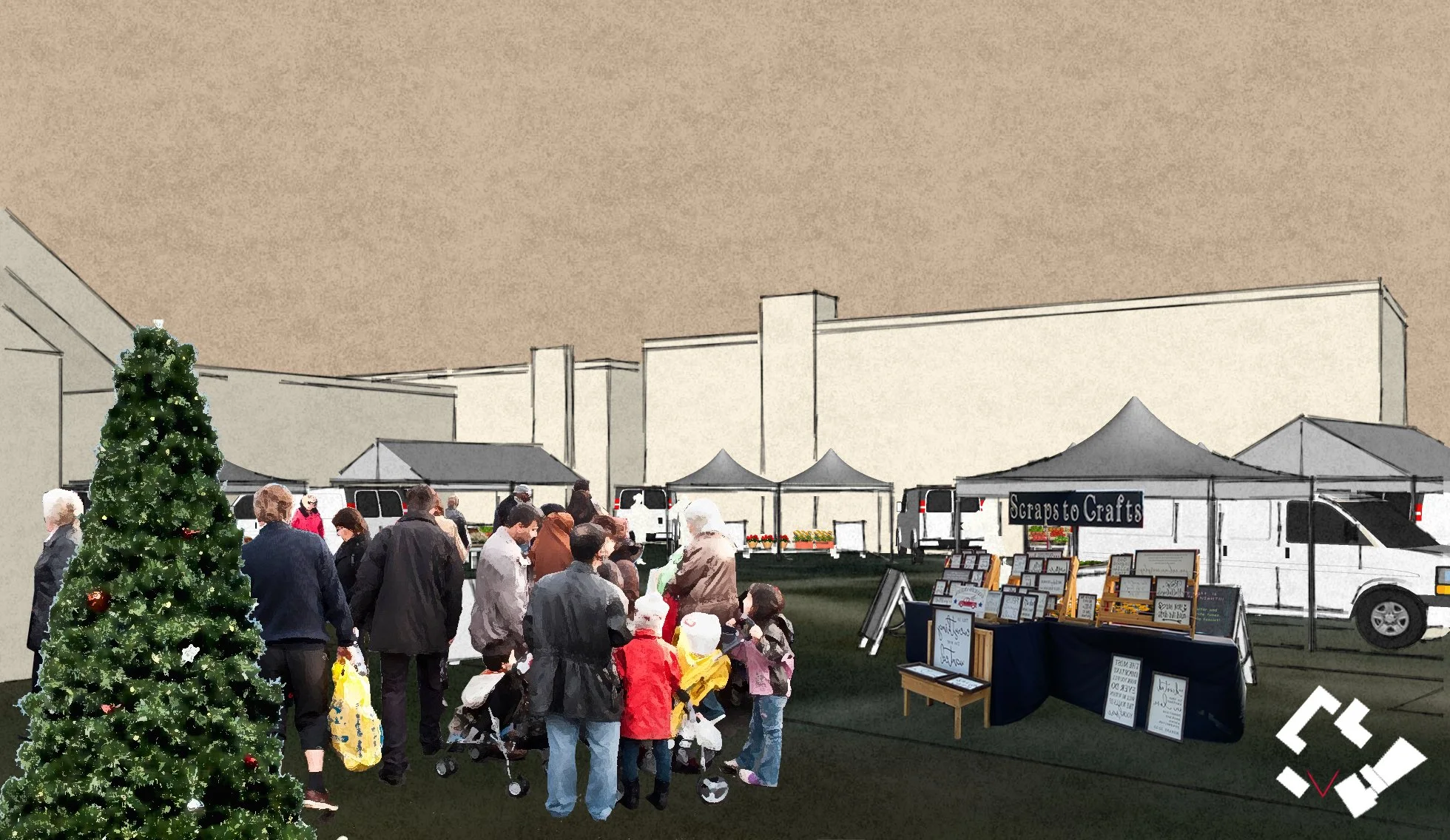
However, if you do prefer periotic or occasional activities in your vacant land, agricultural vending and outdoor seasonal sales would be good choices. Below is a scenario for outdoor seasonal sales at a local flea market.
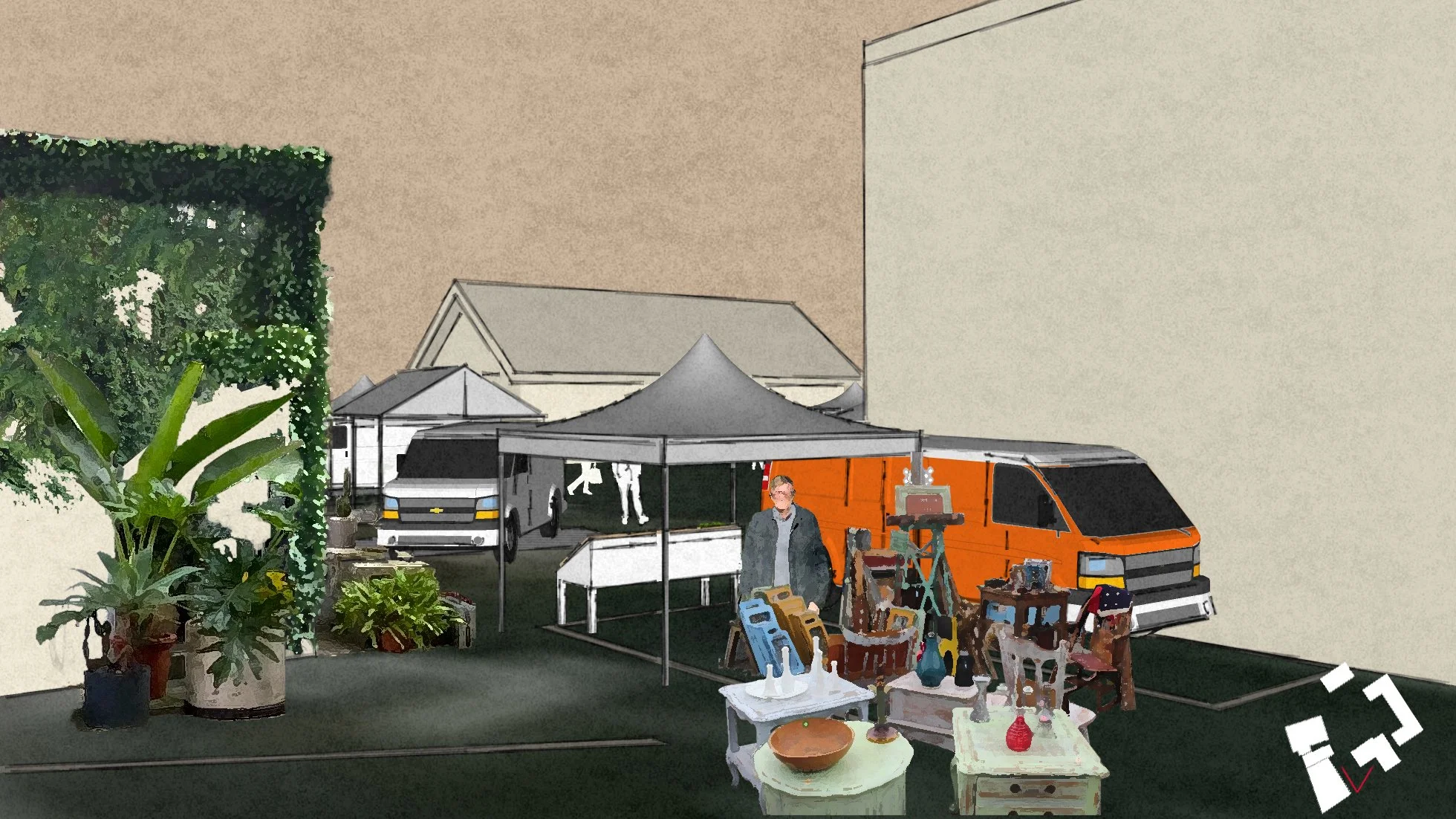
Design with a look and feel
According to a survey published in the paper “Reimaging Urban Leftover Spaces”, “provide more vegetation” and “removal of boundary walls” are the most popular design methods among the participants. “Providing more vegetation” also rank the highest among these leftover spaces:
between two sides of the building (88.4% compare to 35% of other design choices.)
back of the building and (88.3% compare to 17.4% “Removal of boundary wall”)
rooftop of a building (88.3% compare to 31% “Creating seating space”)
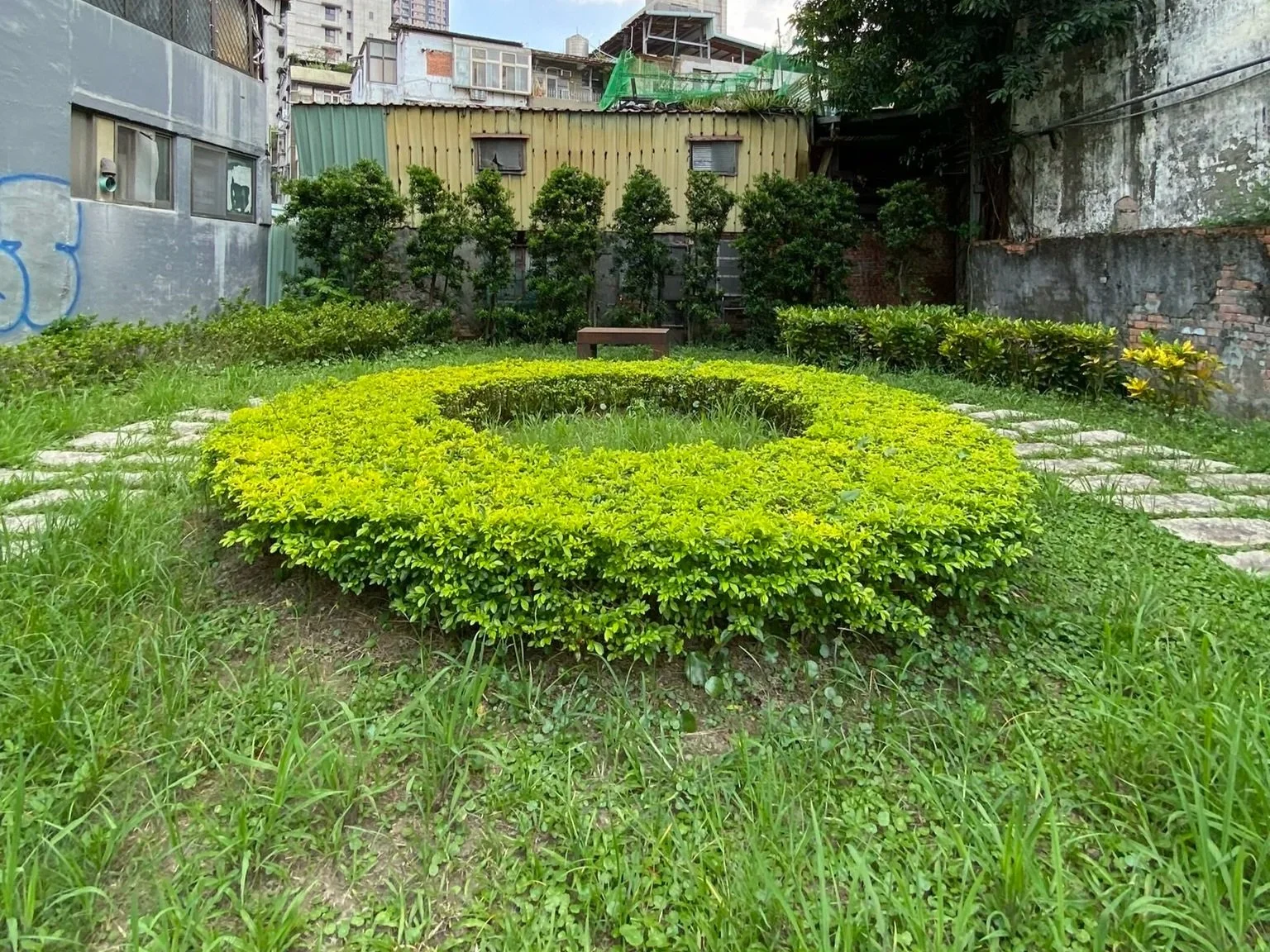
Here are some examples that I discovered when traveling. Since the design was based on look and feel, whether the cases can be transferred and applied to our neighborhood is not the focus here.
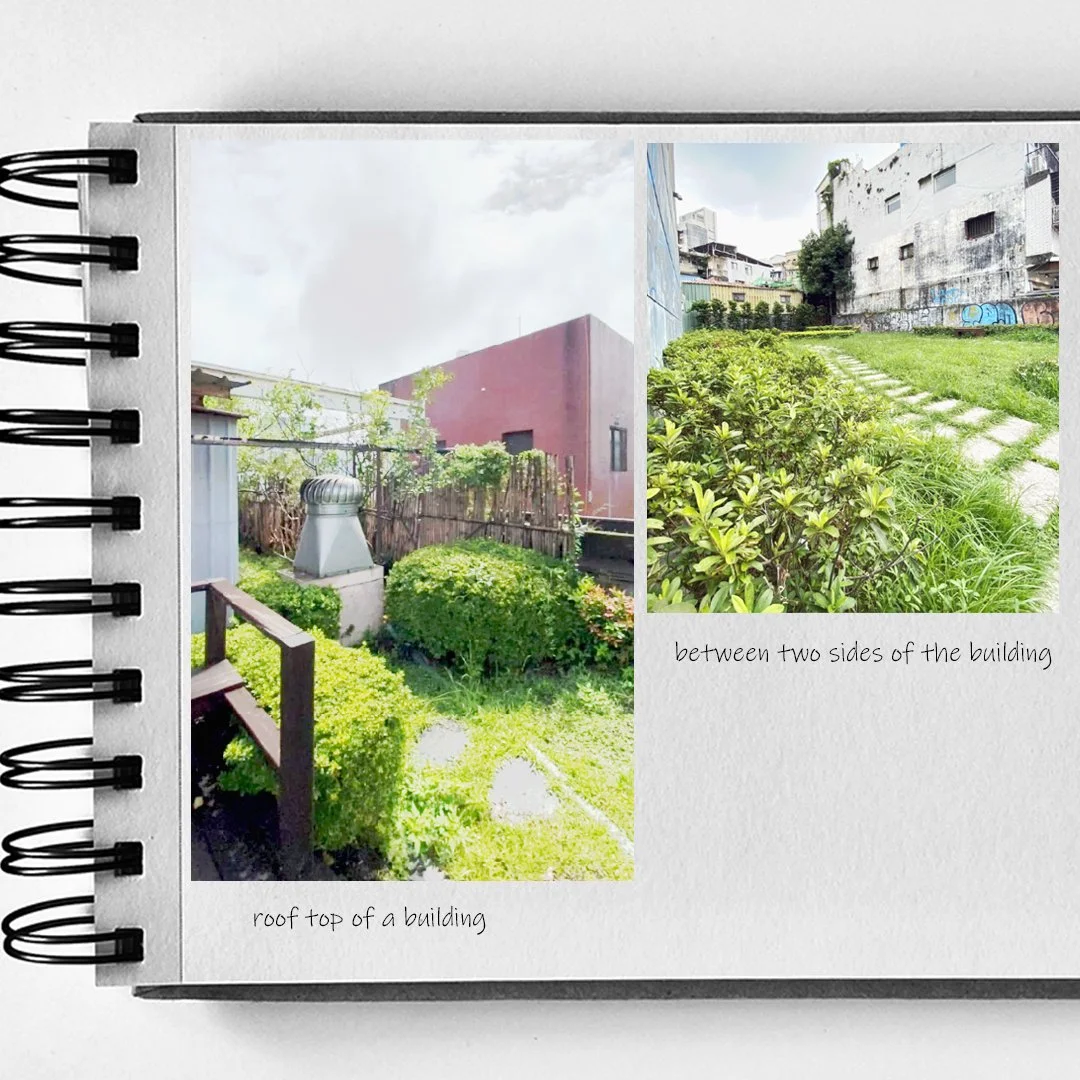
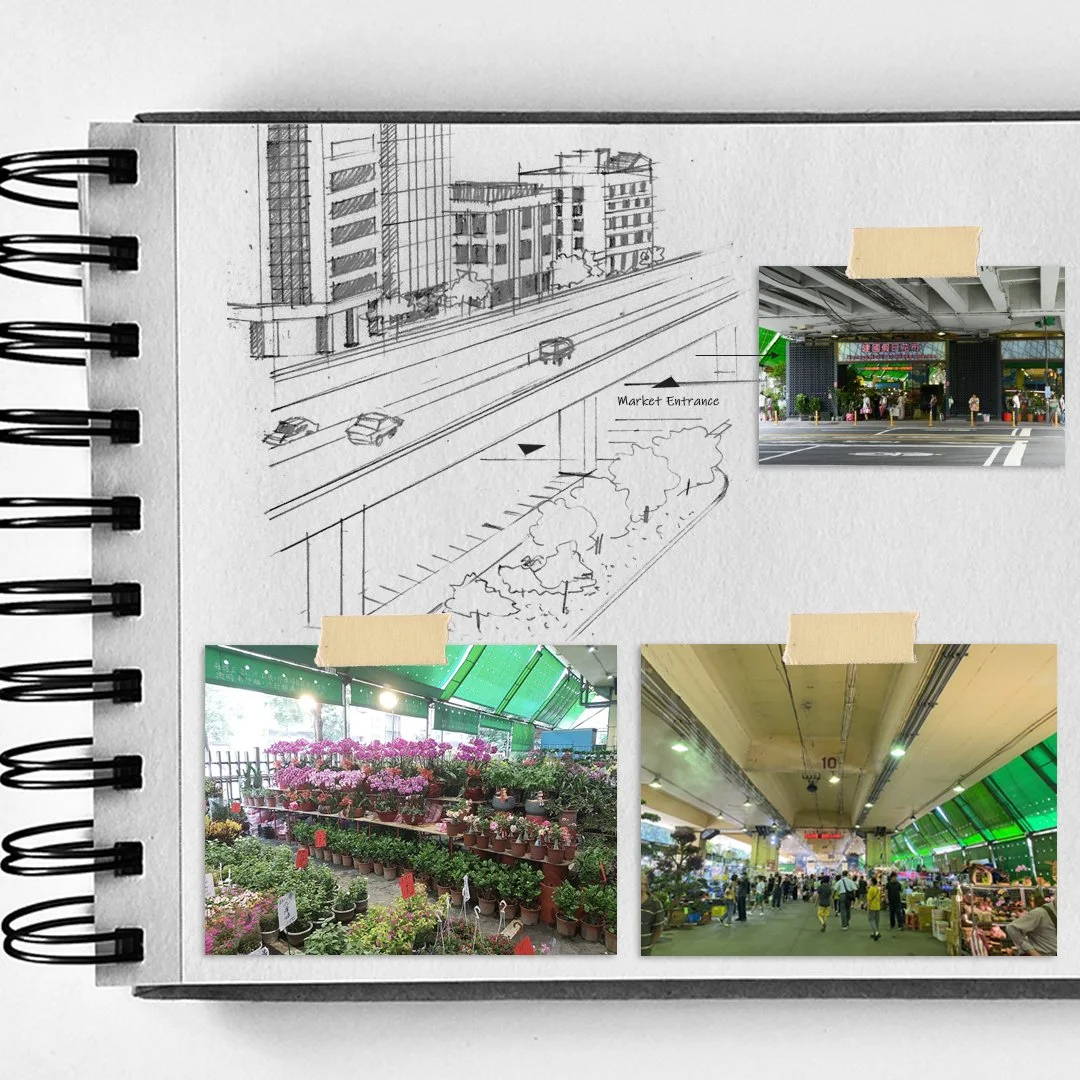
Want to get closer of the look and feel at those leftover spaces? check out this IG.
By the way...these vacant spaces also have other potentials.
Added Sustainable Benefits
The activity and event, such as a weekend bazaar or flea market, can also gain Human Health and Well-Being credits under the SITES v2 rating system. These added sustainable credits are:
C6.3 Promote equitable site use - provide economic and social benefits to the local community by providing publicly available onsite events, facilities, amenities, or programming.
The locally-owned flea markets are a good example to "promote long-term economic stability of local families and businesses. By capitalizing on and sharing economic opportunities that result from site development, a site supports resilient neighborhoods." (SITES v2 Reference Guide, p196)
C6.6: Support Social Connection - strengthen community and encourage social connections by providing outdoor gathering spaces to support people gathering, eating, working, and playing together.
According to studies, people in the community who have social ties show greater resilience and the ability to cope with changes. Social gatherings also encourage a child's development as they observe and model positive social behavior. Elders having stronger social ties have been shown to live longer and recover from illness more quickly.
Notes and References:
[Agricultural Vending] is allowed as limited use, it must satisfy the following standards. In the Residential, CRN, Employment, IL and IM zones, the site must be a minimum of 2 acres, used for none residential purposes and in front with minimum 2 travel lanes. (Per 3.2.11A).
[Seasonal Outdoor Sales] is defined as “temporary sales of seasonal farm products offered annually for a limited period of time”. Example of these temporary uses are as Farmers Market, sales of pumpkins or Christmas trees. (Per 3.2.11B)
J. Azhar, B. Vale and M. Gjerde, Reimaging Urban Leftover Spaces, 2018, ResearchGate
Qamaruz-Zaman, N., Samadi, Z., & Azhari, N. (2012). Opportunity in Leftover Spaces: Activities Under the Flyovers of Kuala Lumpur, Procedia - Social and Behavioral Sciences, 68, 451–463
J. Azhar and M. Gjerde, Rethinking the Role of Urban In-Between Spaces, Victoria University of Wellington, Wellington, New Zealand, The Architectural and Science Association, 2016 Conference Paper.
Environmental Psychology plays a vital role in investigating the science of interaction between humans and their environment. This field encompass the natural and built setting for human existence. They often use “Experience” and “Perception” as the means of measurement when conducting research.