
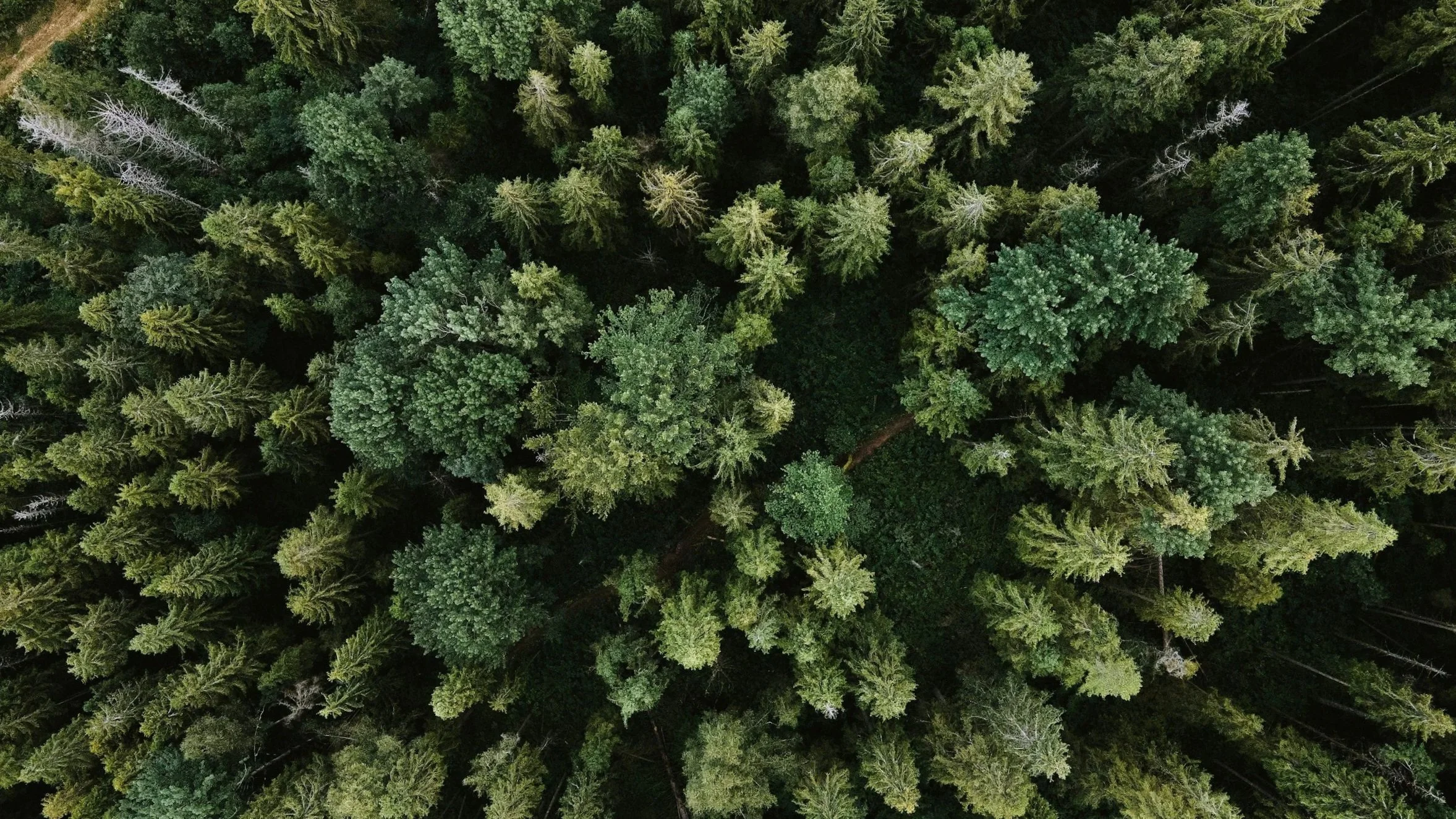
Are you one of the friends who are enthusiastic and curious about climate change? Have you heard of the UN's Sustainable Development Goals? Have you heard of the term "microforest"? Can you imagine how it look like when we combine these two? I recently read a paper from Sapienza University, "Integrating Green and Social Infrastructure: the Microforest Social Hub in Rome," which reminded me to dive deeper into this sustainability topic.
The paper presents four lenses for utilizing green space as an engine for urban renewal projects. These four lenses are: ecology, predagoy, civic engagement, and convivality. Before going further on these four subjects, let's talk about the neighborhood first. Because it will make more sense when we study their research pilot project.
San Loranzo
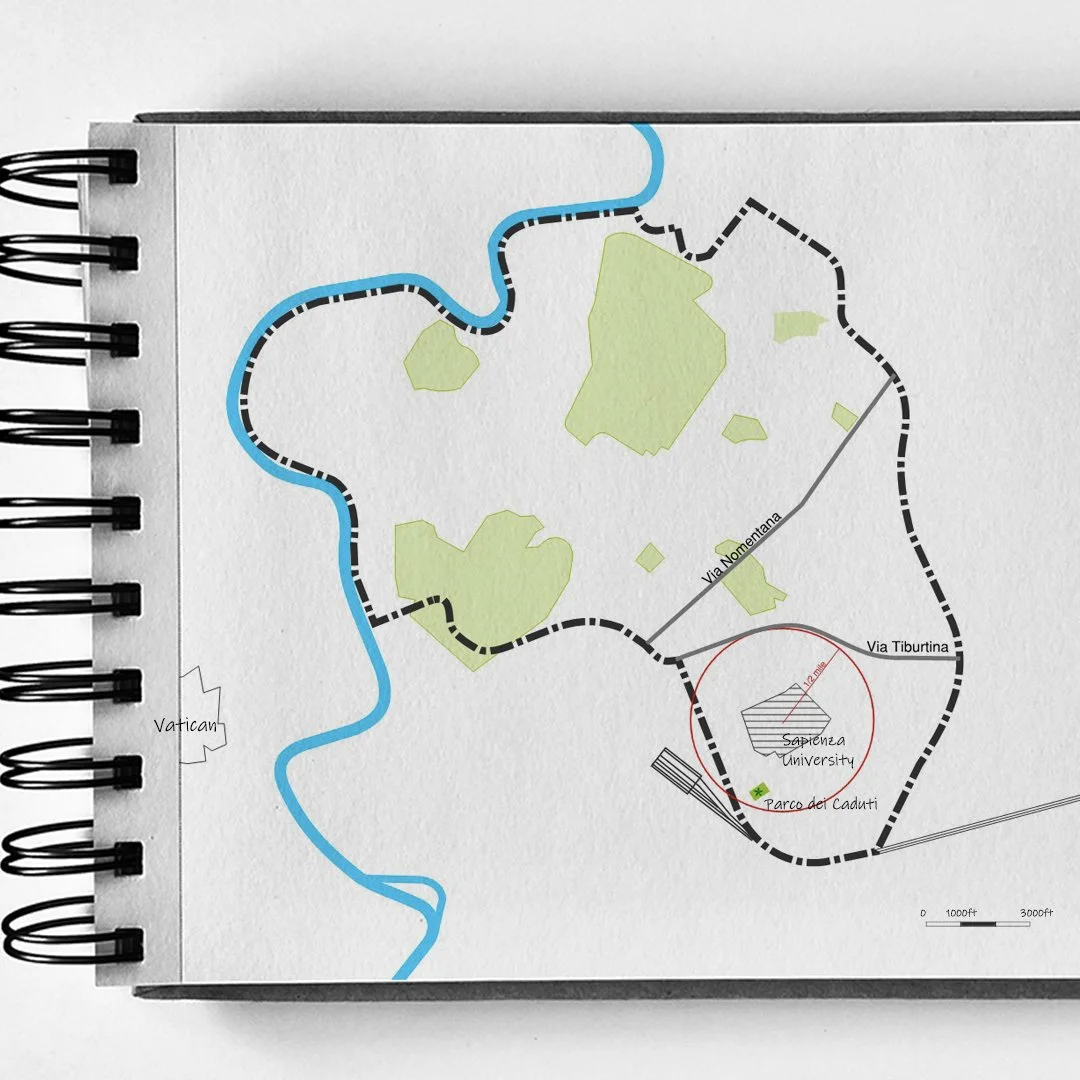
San Lorenzo is a neighborhood in Municipal II of Rome, Italy. The vicinity roughly covers the two sides of Via Triburtina, starting from the railway terminal station to the Campo de Verano, a cemetery in Rome. It was originally a working-class neighborhood and had suffered massive bombing during World War II. Today, blessed by the La Sapienza University, this urban area has increasingly grown with a characteristic of students and young artists. Pizzeria, bookshops, and other modern boutique places are gradually replacing the old workshops and small markets.
The SDG
The Sustainable Development Goals (SDGs) are a set of 17 global goals established by the United Nations to address various social, economic, and environmental challenges by 2030. It is also listed in the Resolution Adopted by the General Assembly on 15 October 2019. The population density in Rome's Municipal II is about 21,100 people per square mile. Compared to the 11,500 people per square mile in the Washington Metropolitan area, Rome's Municipal II area is certainly at the front line to face the UN SDGs 2030 challenge.
What is the Miyawaki method?
The microforest model, also known as "Tiny Forest," was originally proposed by Japanese Botanist Akira Miyawaki. He has developed an innovative afforestation method to counteract environmental degradation. His method focuses on creating a hyper-dense patch of native vegetation on a small plot of land.
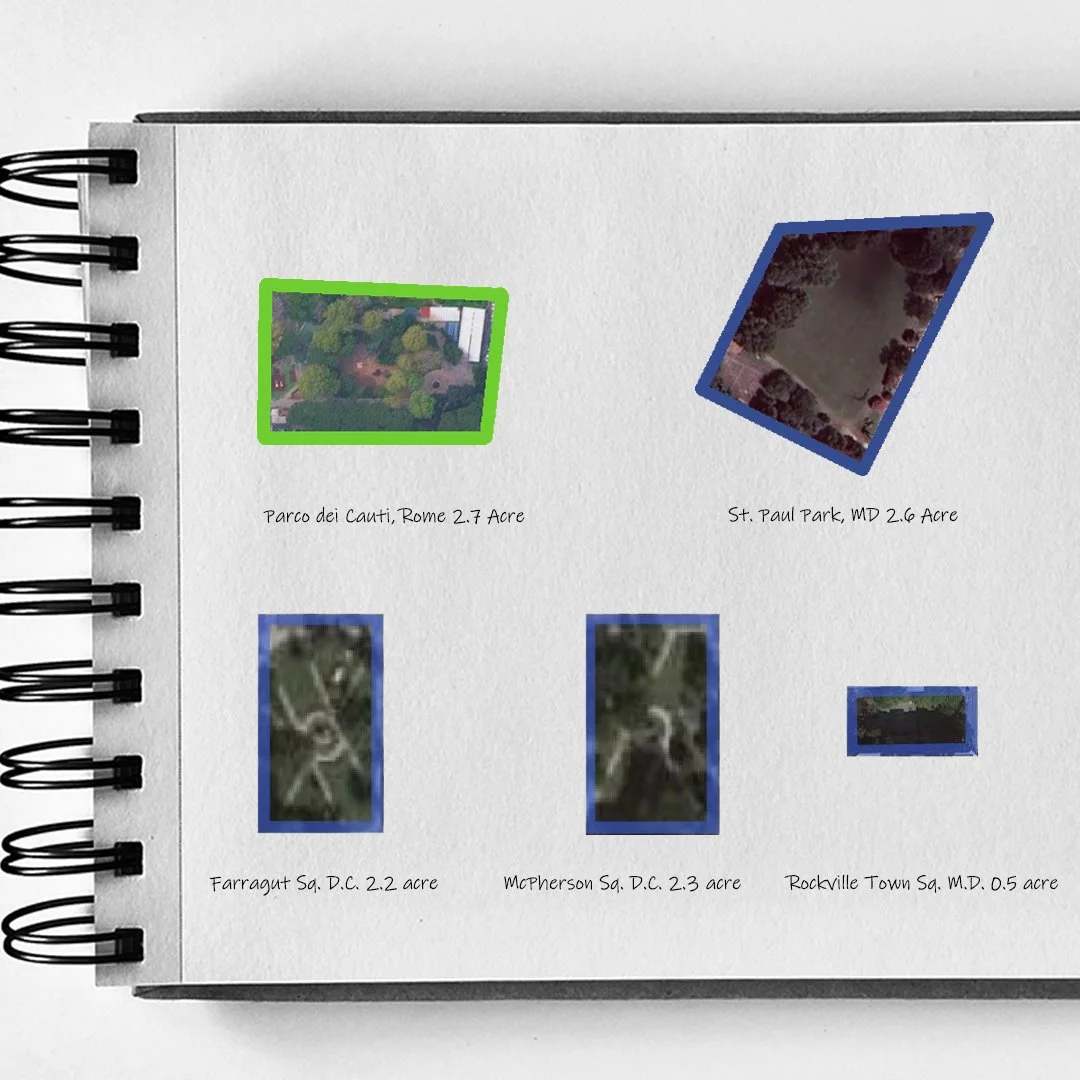
In the case of Sapienza University's project, the first lot they work on is Parco dei Caduti, which is only 2.7 acres, a size similar to St. Paul Park in Kensington, or to McPherson Square in Washington, D.C. The idea is to plant a diverse mixture of trees in close proximity and maximize their density to create the balance. The process includes: botanical research- use local adopted species, soil rehabilitation, plant dense sluster of seeds, and maintenance. The result? As the closely planted saplings have to compete for light, they shoot upwards very fast instead of sideways.
Four Lens
Their first experimental site was Parco dei Caduti, which is only a 10-minute walk from the heart of the Sapienza University. The proximity to the research institute and the residential neighborhood makes it easy to offer the following perspectives to the community.
Ecological: The project addresses a critical ecological challenge that happens in many dense urban areas: the scarcity of public green space. Studies have proven the Miyawaki method grows trees faster than traditional forests. The result is denser and more biodiverse- those vegetations planted by San Lorenzo's pilot project grew from 80cm to 2 meters in less than three years, confirming that accelerated growth is possible.
Pedagogical: The pedagogical dimension was focused on the process. The design team engaged with local primary and secondary schools, the university's teachers, and students to participate in making the microforest happen. As a result, the outdoor area they planted became a space of observation, embodied learning, and fostering ecological literacy. The park they worked on also inevitably became the outdoor classroom.
Civic Engagement: The civic engagement involved university students, residents, and municipal representatives. Their participation in the shared vision session makes the microforest a community resource, which strengthens a sense of ownership and collective responsibility towards the site.
Convivality: Finally, from the conviviality perspective, many habits and rituals have developed due to the responsibility of maintaining these microforests. The act of watering and inhabiting the space became a shared ritual among the participants. that the stakeholders care for each other and thus strengthen their social bond and renew the relationship.
[p.s. Covivality in this article is not the same as “Co-living”, which is often refer to a structure and housing arrangement for various groups. Convivality is a social concept, a feeling and atmosphere to describe how people live together and share expereinces.]
Final Takeaway
San Lorenzo's initiative was linking ecology and education. Their pilot project seems successful, and the results seem mesmerizing. When we talk about implementing a similar strategy in our surrounding neighborhood, the population density and the use of the zone would be the main considerations. While most American cities' neighborhoods are less dense than the San Lorenza neighborhood, perhaps our challenges lie in selecting the right location, pulling diverse group of people together, and creating a sense of “Convivality” that would give us incentives to learn and contribute to our health and well-being.
Notes and Reference:
Fratini, F. (2026) “Integrating green and social infrastructure: the microforest social hub in Rome,” Academia Environmental Sciences and Sustainability. Academia.edu Journals, 3(1). doi: 10.20935/AcadEnvSci8128.
As of the 2021 Census, Municipal II Rome has a population of 160,972 in 7.6 square miles of the municipal area, which constitutes a population density of 21,180 people per square mile. As od 2023-2025 data, Washington DC has the highest population density in the Unted States, with approximately 11,130 to 11,347 people per square mile. Even the city operates as such a dense urban center, it is still considered a less dense neighborhood compare to San Loranzo.
“Eco-pedagpgical Microforest” published at Sustainable Development by UN Development of Economics and Social Affair