
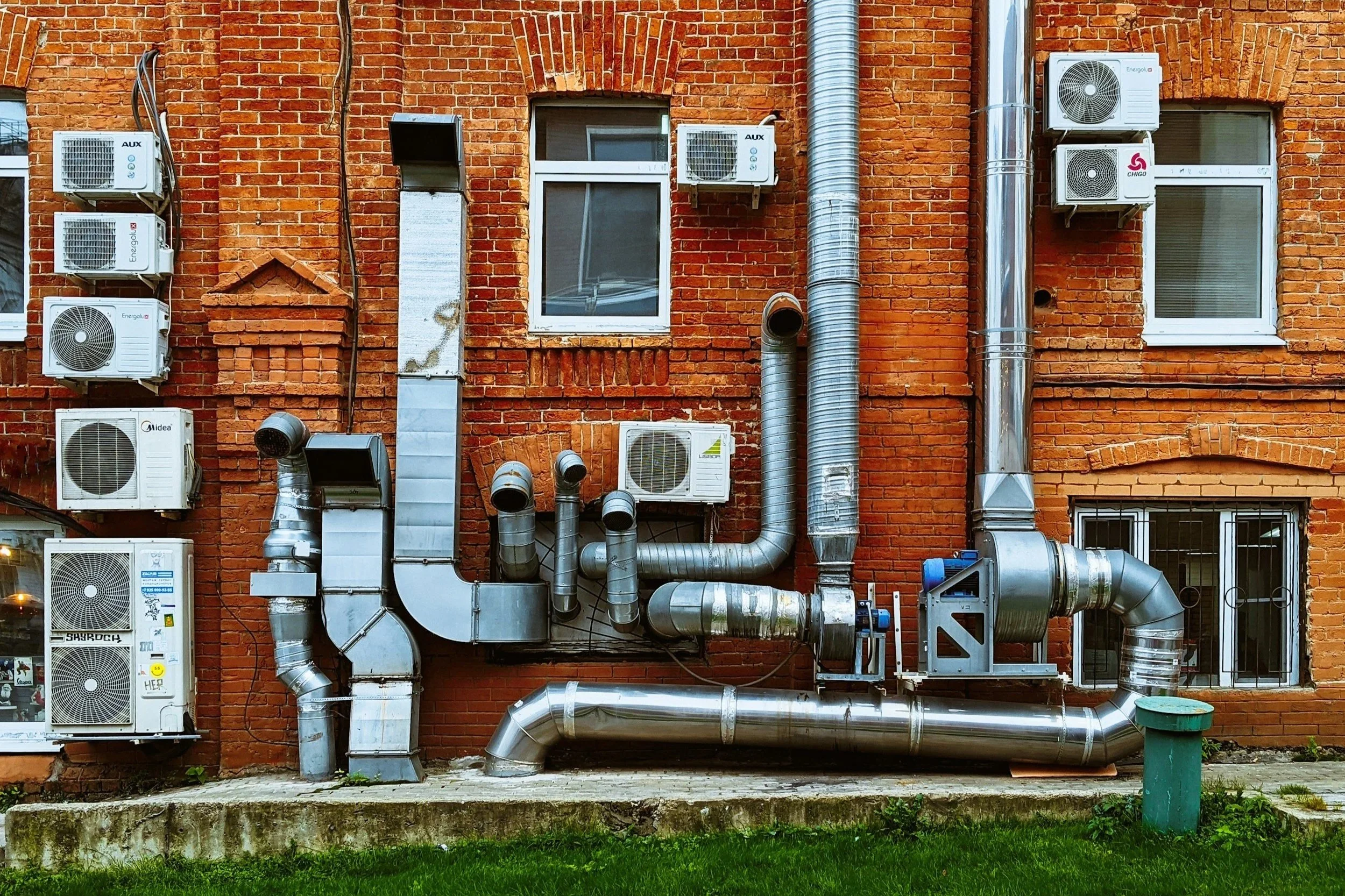
Measuring airflow in a space is essential because it directly affects comfort, health, energy efficiency, and system performance.
Reasons to check airflows
Here are some key considerations that might prompt us to check the airflow in our homes.
Maintain the indoor comfort:
Imbalanced airflow leads to uneven air distribution and uneven temperature- some rooms receive more heated air or colder air than others. Hence lose the purpose of controlling the central air system, decreasing occupants' comfort and environmental satisfaction.
Protect and ensure indoor air quality:
Poor airflow will result in stagnant air, higher CO2 levels, and increased risk of mold issues. Insufficient airflow also contributes to sick building syndrome, which causes occupants' acute health and comfort issues, such as respiratory symptoms or mucous membrane irritations. Measuring airflow periodically can help maintain a safe and healthy indoor environment.
Ensure energy efficiency:
Testing the airflow in a space can tell if the equipment is running properly according to the initial setting. The test can measure if airflow matches the system's output to the space's needs, reducing waste and extending the equipment's life.
Meet compliance and industry standards:
This is especially true when your building is going through industry certification or obtaining certification of occupancy. Many green building certifications require indoor air measurement to ensure the quality of the design and operation. For example, 'Fundamental Air Quality' and 'Enhance Air Quality' in LEED v5 provided guidelines on the minimum airflow rate. In its 'Air Quality Testing and Monitoring', it provides options of getting points on meeting the ‘Preoccupancy Air Testing’ (Option 1) and 'Continuous Indoor Monitoring' (Option 2).
Another example, in 2024 IRC, it regulates how whole-house ventilation should be provided (M1505). In 2024 IBC, the code also has specific requirements such as 'Continuous operated mechanical ventilation shall be provided at a rate of 1 cubic foot per minute for every 50 square feet of crawl space ground surface area..." (1202.4.3.1)
How to measure?
To effectively assess a system, here are six essential diagnostic tests:
Duct leakage testing
Pressure Pan Testing
Static Pressure Measurement
Room-to-Room Pressure Differentials
Temperature Differentials
Direct airflow Measurement.
Curious how to get the test done? Feel like checking out the airflow in your homes, but do not have the tools? Check out this video by GreenHome Institute and ask Air Doctor. ☺
By the way…
Other terms you might want to know
Balanced Ventilation: What is Balanced Ventilation? This is a specific termination defined in the International Residential Code. It means 'where the mechanical supply air flow rate and mechanical exhaust airflow rate are within 10 percent of the average of the two airflow rates."
Palazzo Italia: Talking about air quality, we inevitably associate it with HVAC systems or indoor equipment. However, this building in Milan is "enhancing" the air quality by letting sunshine react with its 9000 square meters (96,000 SF) facade. The facade is made of photocatalytic cement and is chemically active under UV light. It helps neutralize nitrogrn oxide and other airborne contaminants, which contribute to local air quality over time.