Bird Matters by Admin

January 5th is the National Bird Day.

Birds have always held a place of fascination in our minds. That could be why someone initiated the National Bird Day to draw awareness of these creatures that play a sustainable role in our natural landscape.

Due to increasing globalization, we gradually live in an environment that gives insufficient exposure to nature. Studies have also found that natural elements have been linked with human well-being, such as decreasing depression, reducing anxiety, enhancing concentration, expanding pain tolerance, and increasing overall emotional satisfaction. The natural elements mentioned above include not only plants and animals but also lighting and aesthetic designs.

Moreover, when picking a place for bird watching, we inevitably think about an aviary. The aviary allows birds a larger living space to fly and rest on a higher ground. The size and scale of an aviary vary greatly. The larger ones are often located in a zoological setting. For example, the Edward Youde Aviary in Hong Kong and the Birds of Eden in the Western Cape belong to the large-scale category. The aviary in a more intimate setting is like the Hamilton Aviary in Ontario. The home aviary, also known as bird rooms, has recently become more popular. Some bird rooms are within a single-family house and share part of the homeowner’s living space.

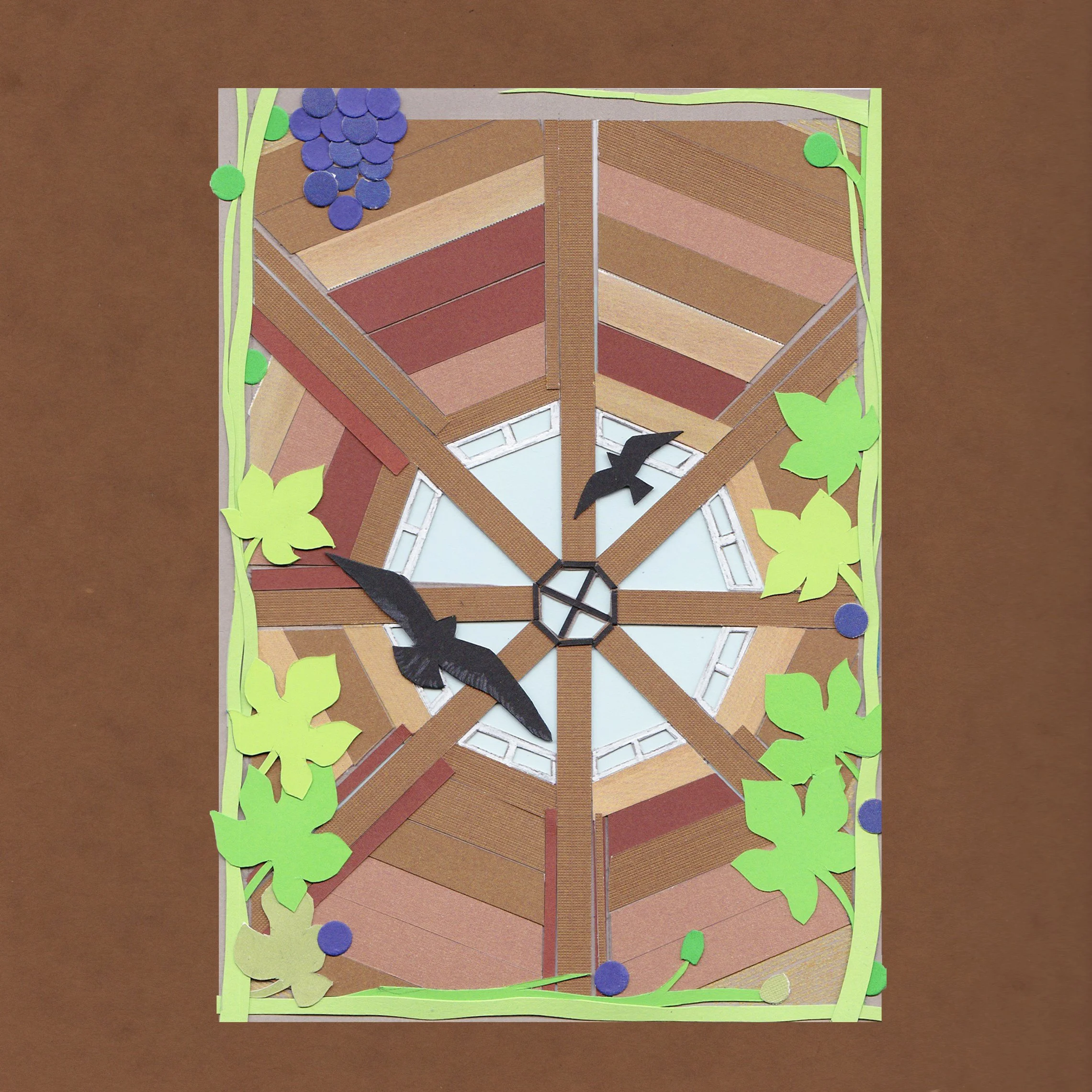
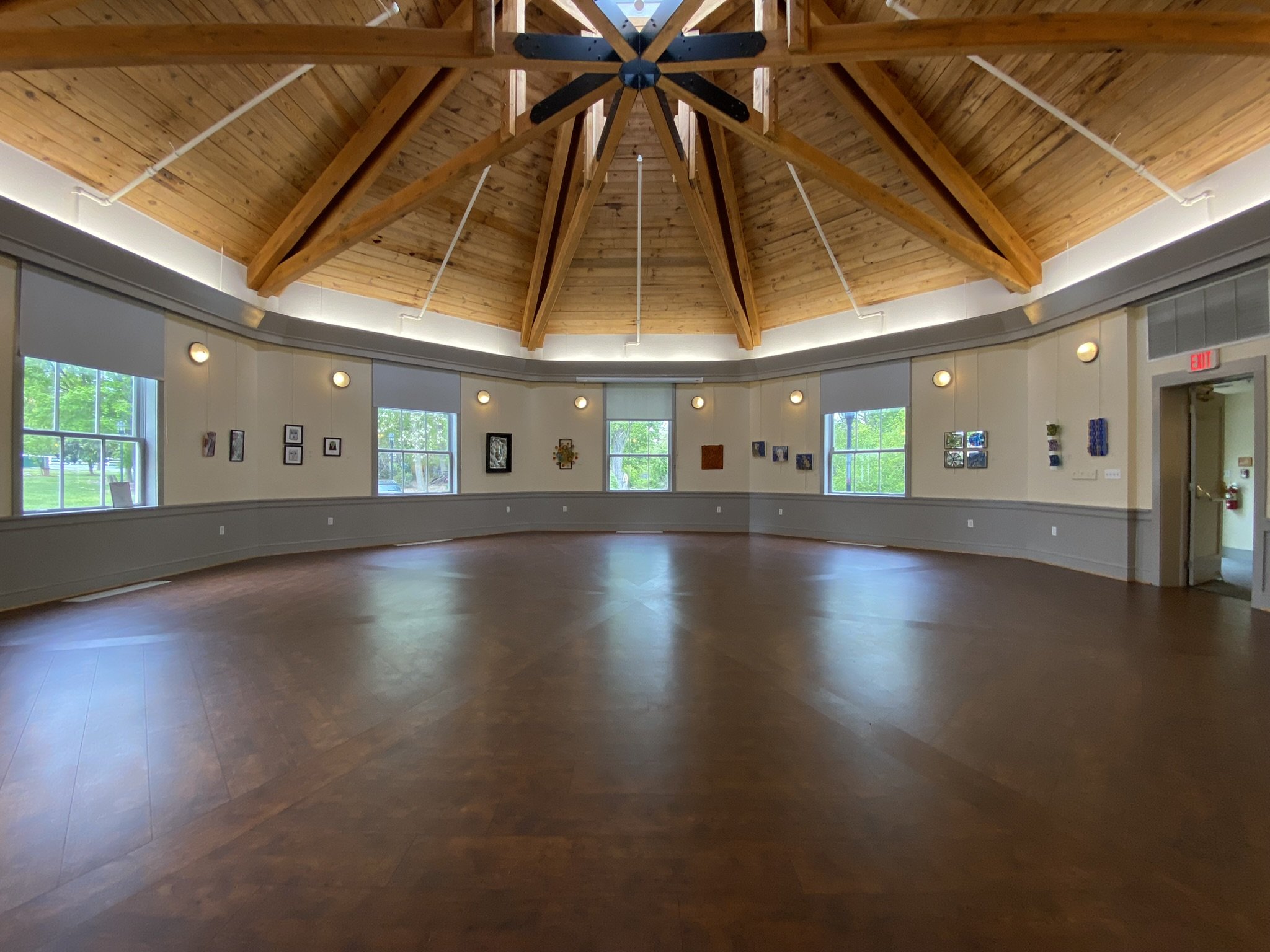
The Dr. Bird room inside the Sandy Spring Museum, Maryland, reminded us of a French military birdhouse designed by a French Artist in 1889. Even this Dr. Bird room is named after the physician Jacob W Bird, who began his medical practice in 1909 in Sandy Springs. The octagonal-shaped room with Oak Trusses gives visitors the impression of being in a giant closed garden pavilion that could be an aviary. The space feels light and airy with the five large windows at the parameter and the cupola windows at the top. Its high ceiling and column-free area seem large enough for pet birds to fly around.
Historically, a famous Bird Room (fugleværelset) has also been inside the Royal Palace of Oslo. The Royal Palace was initially built for the King Carl Johan in 1825. Its bird room, completed in 1843, was designed by the artist Johannes Flintoe, who is known for his landscape scenes found in Romantic Nationalism. This picturesque room covers the rich variety of life in the garden- forty-three birds and six butterflies, plus a white-tailed eagle hovering on the ceiling.

While fascinating with the spacious Dr. Bird Room and Johannes Flintoe’s fresco panel from the bird room, a WELL feature came to mind.

“Incorporating natural elements into buildings can support occupant relief from stress and mental fatigue, as well as help establish a sense of place.” — WELL M02, Provide Connection to Nature

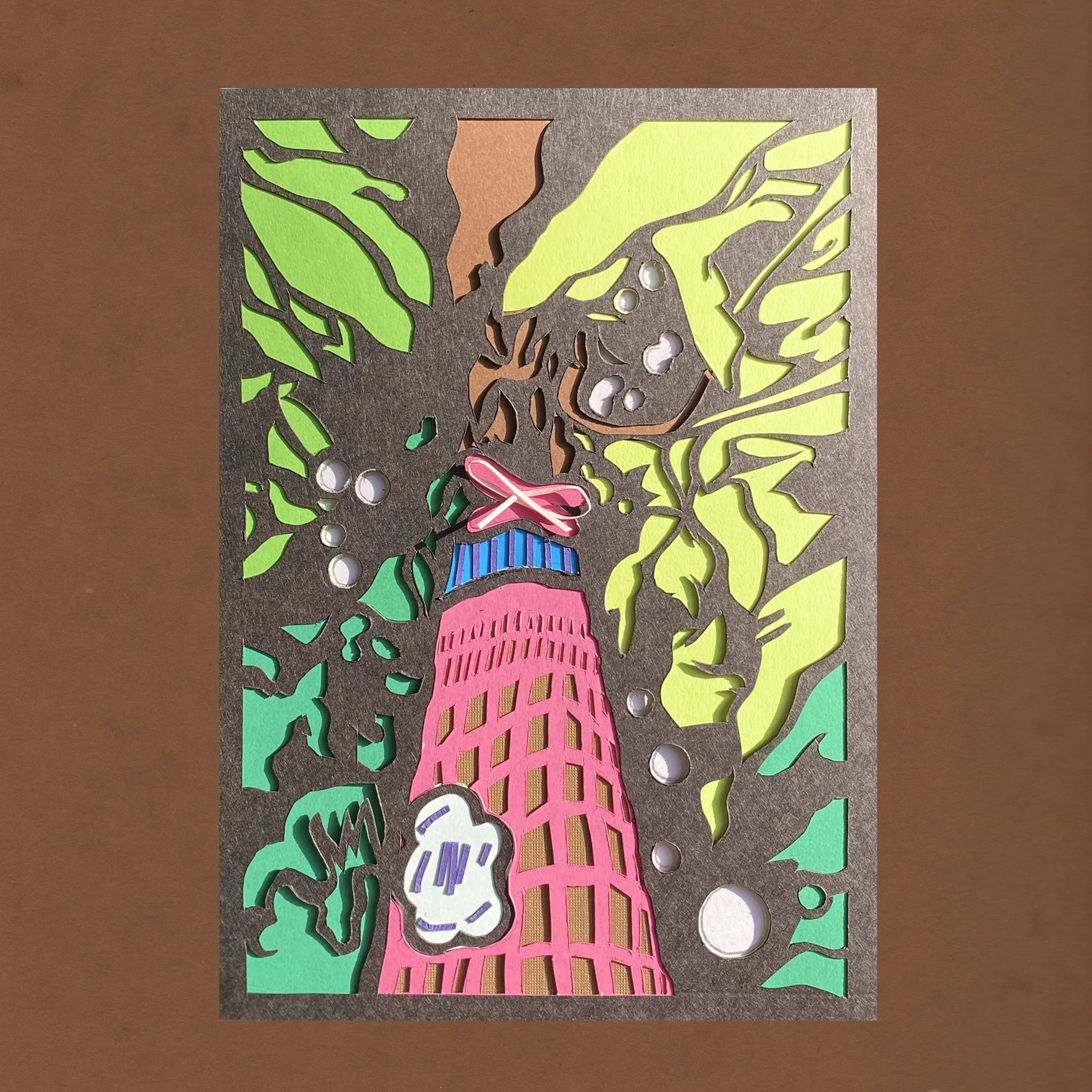
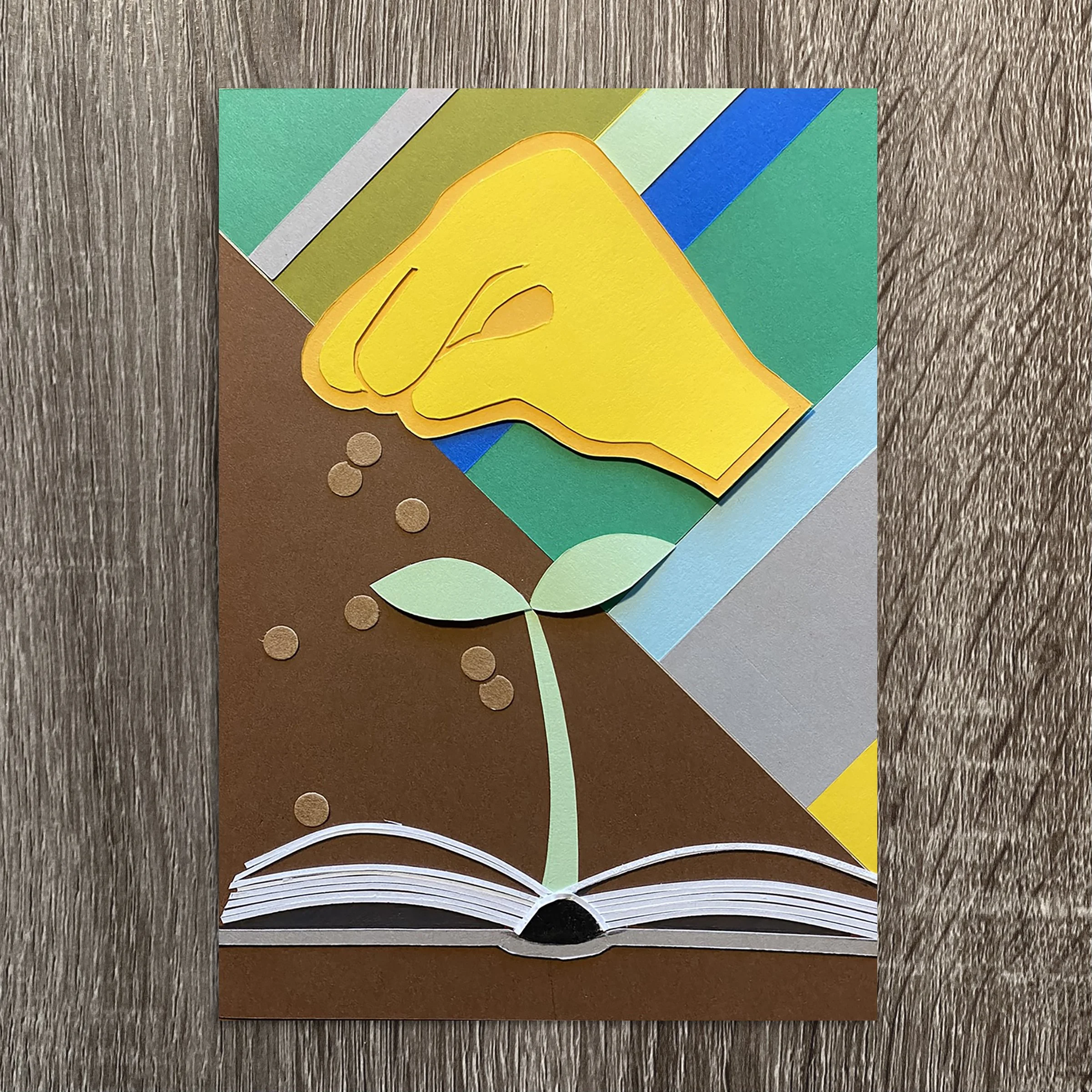
On this day, we want to design this card for those connect their places to nature. Thanks to their creativities, so the occupants and enjoy a stress-free environment.



Handwashing Matters by Admin

Many of the diseases begin with physical contact.

These contact diseases are transmitted when an infected person has direct physical contact with an uninfected person, and the microbe is passed from one to another. Contact diseases can also be spread indirectly when a healthy person touches an infected person’s items or environment.
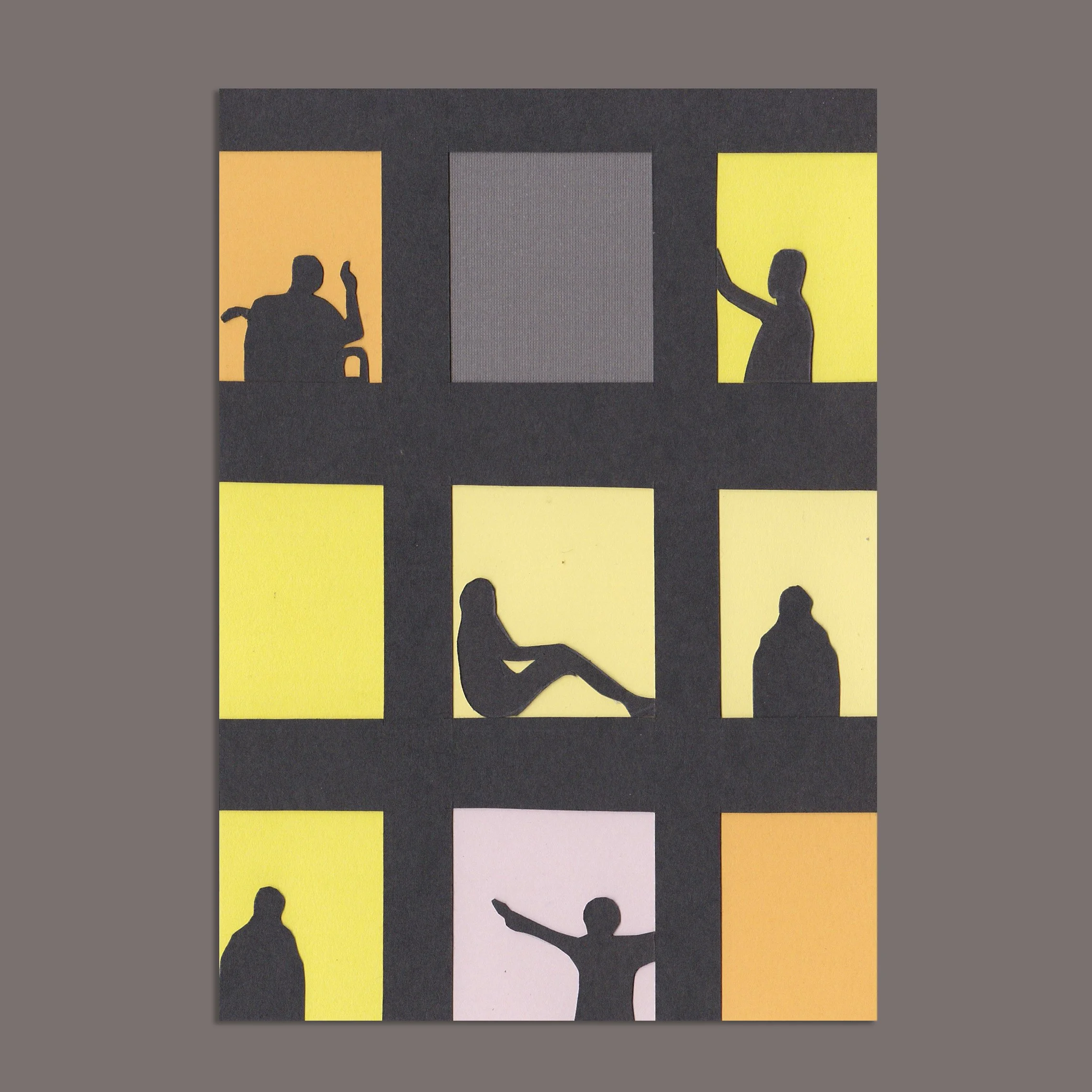
We use our hands for most of our daily activities; thus, hand washing is one helpful precaution to create a barrier and eliminate bacteria from spreading in the environment or personal belongings.

According to the CDC (Centers for Disease Control or Prevention), studies have also shown that educating handwashing in the communities can reach the following results, such as:

  • Reduce the number of people who get sick with diarrhea by 23–40%

  • reduce the number of school days missing due to gastrointestinal by 29–57%

  • reduce diarrheal illness in a person with a weakened immune system by 58%

  • reduce respiratory-related disease in the general population, such as cold or flue by 16–21%

Moreover, the CDC provided five easy steps to clean our hands thoroughly:

  1. Wet hands with clean water

  2. Lather hands by rubbing them with soap

  3. Scrub hand by at least 20 seconds

  4. Rinse hands with clean water

  5. Dry hands using a clean towel or air dry.

We have been washing our hands since childhood, and it feels like a habitual routine rather than a profound “tactic” for disease prevention. Simultaniously, reading CDC’s studies and handwashing guideline remind us of a WELL feature.

“Implement strategies to reduce human contact with respiratory particles and surfaces that may carry pathogens.” — WELL X12, β Contact Reduction

At Handwashing Awareness Week, we want to design this card for bathroom fixture designers. Thanks to their creativities so everyone could use the public bathroom without worrying.


According to WELL guidelines, a hands-free operation must be implemented in at least three of the following areas: the pedestrian entry door, the elevators, the bottle filler/ water fountain, window blinds, interior light switches, or the trashcan lid.

Dress a Tree Matters by Admin

The first week of December comes to celebrate Tree Dressing Day. It is commonly reported that Tree Dressing Day was initiated by Common Ground, an environmental charity organization based in Dorset, England.
Since 1990, Tree Dressing Day has become much more than a plant-loving expression. It is the day for the communities to celebrate the significance of trees in their unique culture and history.

Tanzaku and Trees

Besides the most common decorating of Christmas trees, many communities have expressed their culture and spiritual significance by “dressing up” trees. Japan’s Star Festival (“Tanabata”), for example, is equivalent to “Valentine’s Day throughout many Westernized countries. People write a wish on a color-trip paper (“Tanzaku”) and hang it on a tree or bamboo.

Clootie Trees

“Clootie” in Scottish means cloth or rag. In old Celtic culture, many pilgrimages would go to Clootie Well during Saints’ feast days. It is a holy well or a spring, always with a tree growing beside it. People dip clothes in the sacred well and tie them to trees as part of a healing ritual. The trees next to the well are called clootie trees or rag bushes.

Red Ribbon and Wishing Trees

Red is Chinese people’s favorite. Red symbolizes luck, joy, and happiness. The red string also represents good fortune and auspiciousness. Many people tie a red string or ribbon on the tree during the lunar new year to wish good luck and prosperity.

Colorful Ribbons and Bohdi Trees

Buddhists also have a tradition of tying the ribbons around the Bodhi tree in homage to Buddha. When people tie the colorful string onto trees, it means calling the power of nature to protect loved ones.

Yarn Bombing and Trees

“Yarn Bombing” is another way to dress up trees in many parts of Europe and northern America. The practice is believed to be associated with the Knit Graffiti movement, which started in 2005 in Texas. Their graffiti is known for wrapping public objects- from lampposts, parking meters, telephone poles, or signage with crocheted materials. Nowadays, artists continue using knitted yarn or fiber to “paint” the tree trunk as their artful expression.

“Support occupant well-being by incorporating the natural environment throughout the project and integrating design strategies that celebrate the project’s unique identity. “ — WELL, M02, nature and Place

On this beautiful day, we want to design this card for building designers, thanks to their creativity to orient the building fenestrations and connect occupants to nature and culture. So everyone can have a view to enjoy, even as beautiful as this Tree-dressing garden.


When talking about the connection to nature and places, we inevitably think about classic chinese garden (yuanlin) design. Here is an example of pavillion, an critical landscape/building element as a overlook booth within this nature and cultural context.


Hug Matters by Admin

Hugs, like handshakes, high-five, or kisses, are one of our body languages to show love, support, and affection. Besides hugs’ physical and emotional comfort, they also give us many health benefits.

Hugs reduce stress and anxiety

The Institute of Cognitive Neuroscience at Ruhr University in Germany gathered 38 pairs of romantic partners with an average age of 22.3 years old in an experiment. They measured participants’ cortisol levels, blood pressure, and PANAS (positive and negative affect schedule) before and after the stressful events. They concluded that women who physically embraced their partners before the designed stress event showed reduced cortisol compared to a controlled group in which no hugs occurred before the stress event.

The other study by the Department of Psychology at the University of California gathered 20 heterosexual couples, gave them “stress” (unpleasant electric shocks) events, and measured their brain activity. These scientists found that women’s brains showed reduced stress when holding their partner’s arms while their partners received the “stress.” This implication demonstrated that providing physical support is also beneficial for stress-reducing effects.

Hugs protect from illness and improve health

A study conducted by a group from the Department of Psychology at Carnegie Mellon University found that hugs provide stress-buffering support against infectious disease situations. They used a sample of 400 adults and measured their stress reaction to disease-infectious situations. Their data suggested that participants who received more frequent hugs predicted less severe illness signs.

Another study by the Department of Psychiatry at the University of North Carolina at Chapel Hill found that warm physical contact from a cohabitating couple is related to lower cardiovascular reactivity. Prior to the stress event, the “warm contact” group underwent a 10-minute handholding period while viewing a romantic video, followed by a 20-second hug with their partner. The control group only rested quietly for 10 minutes and 20 seconds. Their finding suggested that affectionate and warm physical touch contributed to lower reactivity to stress and better cardiovascular health.

Reading all the scientific findings associated with hugs made us wonder if our soulmates’ magic touch could be incorporated into a restorative space described in one of WELL’s features.

“Support access to space that promotes restoration and relief from mental fatigue or stress.” — WELL M07, Restorative Spaces.

On Let’s Hug Day, we want to design this card for workplace designers, thanks to their creativity and understanding of human well-beings, so everyone can have a restorative spaces when they need to take a break.


By the way, according to this WELL standard, the therapeutic space has to meet the following requirements:

  • Space could be indoor or outdoors.

  • Space may serve multiple functions but not used for work.

  • Minimum size of 75 square feer plus one square foot per occupant, and no more than 2000 square feet.

  • provide calming and comfortable environment with features such as adjustable lighting, sound interventions, thermal control, natural elements, subdued colors, textures or forms, and visual privacy.

Based on those criteria, we wonder what if we make a therapist’s office a “restorative space”, and what it would look like? Does that consider a place for “work” or not?


Family Story Matters by Admin

November is a month full of holidays for families to get together. That may be why people proposed this family stories month in November.

Research has shown that parents sharing more family stories with their children benefits the family in many ways, which includes the interaction children have with their parents or grandparents. The activities children share with their guardian family can help them grow into a teen who feels more connected to people. Those activities are not limited to story-telling but other activities together, such as cooking or crafts-making.

However, the family structure in the United States has evolved. That makes me wonder if the family story needs to be retold by more than one ancestry. We have been taught that technology has changed our family structure. The average family size declined from 9 persons (with seven children during the1800s before the peak of the Industrial Revolution) to 5.5 persons (with 3.5 childrens in 1900s). After the progressive era, the household size decreased from 3.29 persons per family to 3.13 persons in 2020. Not only does the family size shrink, but their children also live in a more diverse living arrangement. In 1960, 73% of children lived with two parents of their first marriage. In 2014, this number reduced by a third to 46% of children living under the same parenthood condition. Today, almost a quarter of US children (under 18) live with single parents, plus an estimated 2.3 million stepchildren live in all household types, according to the 2019 American Community Survey.

In addition to the change in the family structure, family life has also been greatly affected by societal values: more mothers with children went into the workforce. This increase in labor force participation is a century-long trend: In 1975, less than half of mothers (47%) worked outside the household. By 2000, 73% of mothers were in the labor force. This tendency stands at 70% among all mothers in recent years. Moreover, a similar study from the Pew Research Center finds that Americans largely support paid leaves, and many respondents say employers rather than the federal or state government should bear the costs.

Intrigued by many statistics and findings of family caregiving from Pew Research Center, reading their report reminded us of a WELL feature:

“Support working parents and caregivers so that they are able to properly care for members of their family.” — WELL C10 Family Support.

On the Month for Family Stories, we want to design this card to caregivers, thanks to their home-based profession, patients’ family can focus on their day jobs and enjoy quality time after work.


By the way…

A question we found interesting in the research is that the survey asked what age children should be left alone without adult supervision. Most responded parents agreed that kids should be at least ten years old before they are allowed to play in front of the house. Their responses reminded me of the ranch-style home, which was the most popular from the 1940s to the 1970s.

After WWII, the booming of the U.S. economy and the Veterans Administration home loan program guaranteed millions of single-family and mobile home loans. This authorization increased housing construction following the war, leading to suburban area growth. Many of the ranch-style houses were built during that period. By 1950, nearly nine out of every ten homes built was ranch-style. In the same period, more than three-quarters of children lived with their parents in their first marriage.

Besides ample front and back yards for kids to spend their time. Ranch-style homes have many distinctive features that gain American’s favor, such as low-pitched roofs, attached garages, open floor plans with one-level (or split-level), etc. But when we look closer at their layouts, we speculated that designers at the time had planned out their ideal family life: many of the kitchen and dining rooms were facing side yards or back yards with sufficient windows.

It is suitable to place ranch houses in a lot that requires a minimum of 75 feet of frontage. By placing so, there will be 8 to 15 feet width on each side yard to set up a small play area. And at least 25 feet by 75 feet of rear yard for the family event. The ranch house with less than 40 feet is good for the lot with at least 60 feet of frontage requirement. The household could set up one side for the driveway or parking and leave the other side yard more room for a smaller playground or planting zone.


The sketch shows a hypothetical life in a ranch style home might look like.


Pepper Matters by Admin

It is understood that the name “Pepper” was given by the Europeans when Christopher Columbus brought the plant from America in 1493. Besides the primary crop gifted by Indians, he also brought back secondary crops such as tomatoes, peanuts, pumpkins, squash, pineapple, and chili peppers.

Chili peppers are considered the genus of “capsicum”; bell peppers (also known as sweet peppers) are included in this taxonomic rank. All peppers are short-lived tropical perennials that prefer sun and warmth. It can be challenging to grow such plants in a chilly summer. Though they are not so sensitive to soil acidity, they like organic matter and well-drained soil. A neutral soil with pH 6–6.8 is suitable for their growth. And they can be harvested 60 to 75 days after the transplant.

Pepper and Gardening

Peppers come in various shapes, sizes, colors, and tastes, ideal for growing an “edible landscape.” Because of the planting traits mentioned above, pepper is one of the suitable plants to grow in home or community gardens. Home gardens or community gardens seem convenient and accessible for many of us. Yet, most people have to travel to work during the day, and those who attend community gardens can only visit their lot during their free time, eliminating growing some vegetables that require daily attention. Low-maintenance plants such as cabbage, potatoes, and peppers are great for growing in community gardens, as when these vegetables ripen, they can relax in the lot for a while before they are ready to be picked up.

Gardening and Consumption Habit

We recently read about a study reporting that individuals who participated in a community garden were associated with higher fruit and vegetable consumption. This study took two types of samples: the community garden participants in rural Missouri and the population-based survey conducted with randomly selected 1000 residents in the intervention catchment area. As a result, this survey found the garden participants were more likely to report eating fruits twice or more times per day and vegetables three or more times per day than those who did not participate in community gardening.


We randomly selected a few community gardens close to the interstate highway, crossing north-south in Missouri, and realized many are relatively small compared to the adjacent facility. The size of the surrounding building footprint speaks that investing in the community garden is a cost-effective way to help individuals have a healthy diet. That is especially true for people who frequently use the facility and participate in its gardening program.


Reading their report reminded us of a WELL feature.

“Individuals who participate in community and home gardening projects have higher levels of fruit and vegetable consumption and are more likely to meet national recommendations for fruit and vegetable intakes than nongardeners.” — WELL N12 Food Production.

Though November has passed pepper’s harvest season, we still want to design this cards for gardeners. Thanks to their passion for caring for gardens, their friends and family can benefit from the fruition of their hard gardening work.


P.S. The study I mentioned above is a research paper published in the International Journal of Behavioral Nutrition and Physical Activity (2013, 10:128). To learn more about their findings, check out “Association between community garden participation and fruit and vegetable consumption in rural Missouri” at the Research Gate’s website.

Home Matters by Admin

“You matter because you are you. You matter to the end of your life. We can do all we can not only to help you die peacefully, but also to live until you die. “ — Cicely Saunders.

That was a quote from Cicely Saunders, Dame and founder of the modern hospice. In 1964, she introduced her idea of “Total Pain,” meaning the comprehensive description of pain covers physical, emotional, social, and spiritual dimensions of distress. “Total Pain” later became the key term within hospice and the broader specialty of palliative and end-of-life care. Her philosophy of focusing on patients’ continual and chronic pain rather than the patients’ acute pain events has changed many modern medical practices.

Hospice care is a special care that focuses on the patient’s quality of life. While treating terminal illness, many people experience acute pain and other stress. Thus, the hospice philosophy is to accept the final stage of life and treat more about the person than the disease itself. Most of the hospice environments are “home”-like. Care centers encourage patients to bring personal items to their rooms. Each room also has a hangout space for family and friends get-together or even spent a night.

Home care, with a similar philosophy, allows patients to stay in their homes. It might be for older adults, patients with chronic illness, or patients recovering from the surgery to receive care in their homes.

Regardless of which environment the patient receives their treatment, all care requires a team of professionals to work together to manage symptoms to maximize patients’ comfort. So their last days could be spent with dignity and quality.

“How people die remains in the memory of those who live on…”

Ms. Saunders’ wisdom like a sounding alarm, reminded us that enhancing patients’ grace matters not only for the patients but also for the families and friends around them. Studying palliative care’s philosophy and reading Dame Saunders’ life story reminded us of a WELL feature.

“Support the overall health and wellbeing of individuals and their families by offering comprehensive health benefits, policy, and services.” — WELL C06, Health Service and Benefit

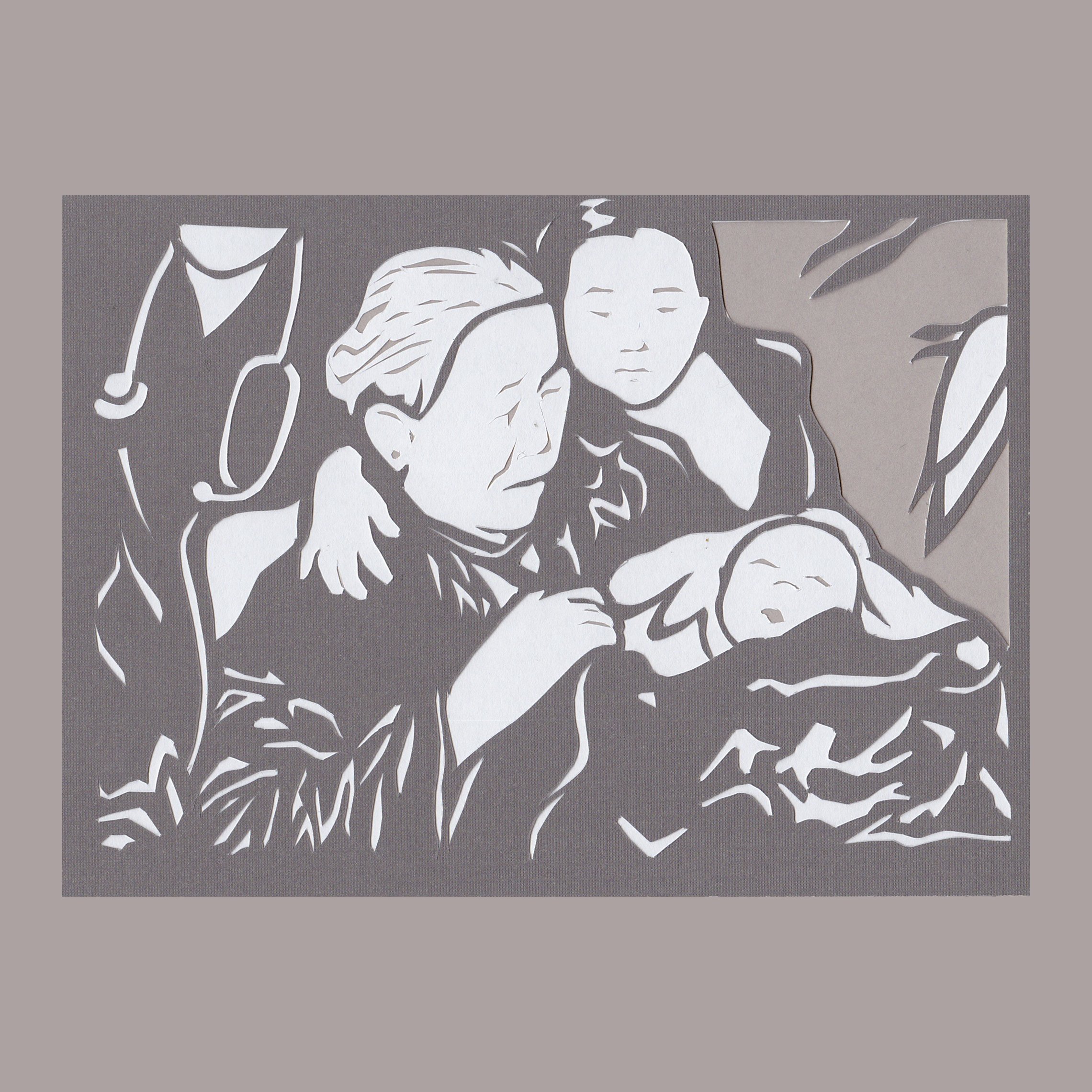
It is the time to share our awareness of patients’ comfort and acknowledge healthcare professionals for their remarkable contribution to making a quality life for patients and their families. On this Home Care and Hospice month, we design this card for homebased healthcare professionals, thanks to them support those stay-home patients, so patients can benefit from professional care and enjoy family time simultaniously.


As a side note, even though all hospice centers offer a “home-like” environment, the building is considered an Institutional group use because this kind of facility requires medical care and a supervised setting on a 24-hour basis.

Ideally, in a hospice or “home-like” care environment, a few design considerations could help with patients, such as large windows, short walking distance, therapeutic landscape, or easy way-finding.


The sketch shows a typical patient room in Hospice Care Centers based on her understanding of care centers’ websites. One type of patient room allows the family member to stay; the other does not.


By the way…

According to the Medicare official website, Hospice care is a Medicare benefit taxpayers have earned. The hospice benefit covers care for patients’ terminal illnesses and related conditions. Once the patient gets hospice care, original Medicare will cover everything they need related to their terminal illness. You can download the benefit booklet at medicare.gov.

If you like this topic, you might also like these articles…

Pasta Matters by Admin

Pasta to Italians is like noodles for the Asians. Pasta is an integral part of Italy’s culinary history. It is said that the first pasta produced can date back to the 13th to 14th centuries. The pasta was typically made from an unleavened wheat flour dough mixed with water and eggs. They are shaped into sheets, thin strands, or other versatile shapes.

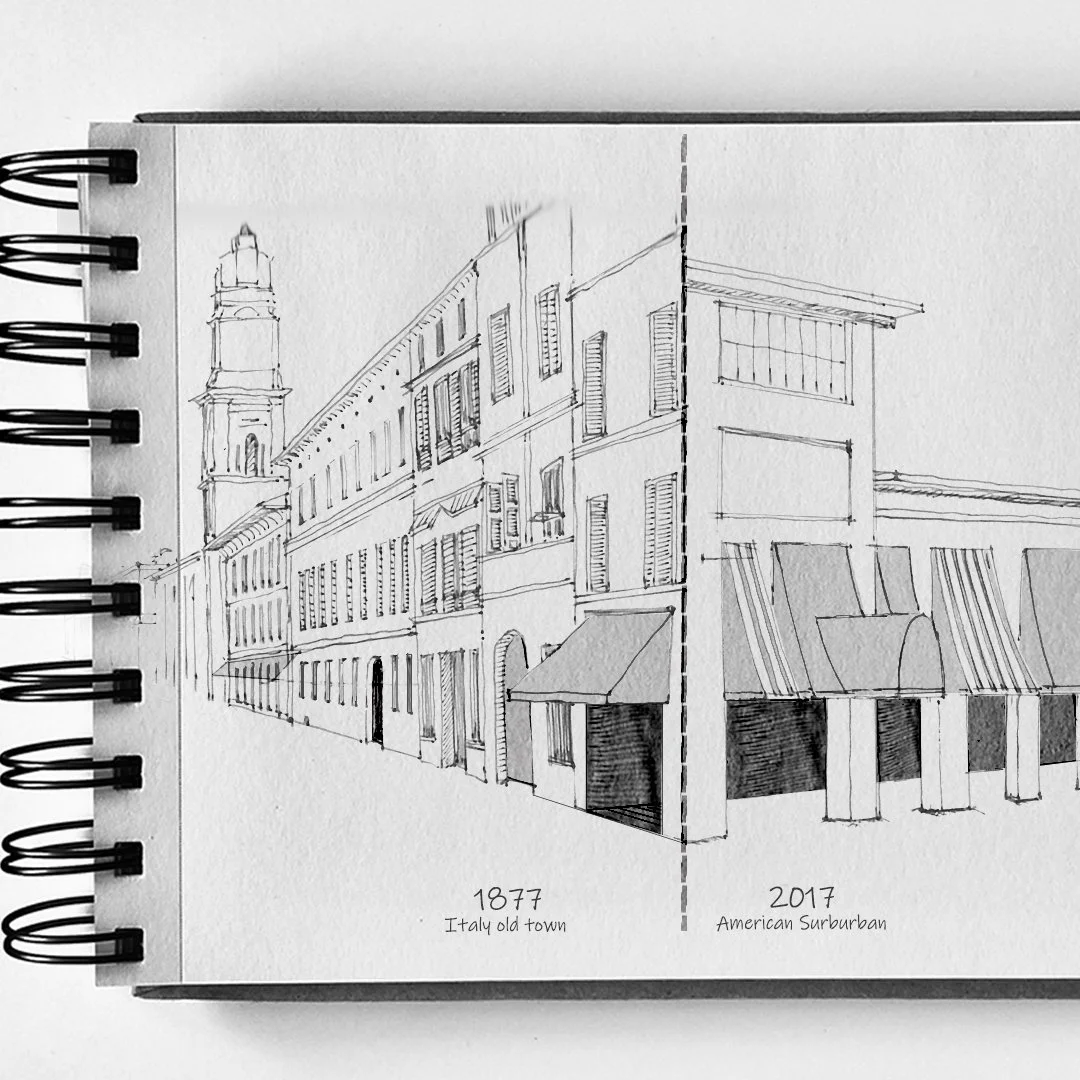
Historians speculated pasta dishes became popular worldwide due to the extensive Mediterranean trading during the Middle Ages. The crops for cuisine, such as macaroni, ravioli, and gnocchi, grew increasingly across the Italian peninsula during the 13th century. In the 14th and 15th centuries, dried pasta became popular because it was easy to store. Only at the beginning of the 17th century, Italians began to have the basic machine for making pasta. With advanced technology for kneading and pressing machines, pasta manufacture became cost-effective. In 1877, Pietro Barilla opened his first bread and pasta shop in Parma, a city between Milan and Bologna.

During the 1900s, the artificial drying and extrusion process produced even larger pasta volumes, making pasta one of the export categories. In the 1950s, domestic appliances became available in most households. At the time, designers took advantage of new technology and made home appliances neater and compacter. These products also started to show stylistic references from the fashion at the time as symbols of modernity.

While intrigued by pasta’s history, and thinking to make our own pasta, a WELL feature suddenly came to mind.

“Provide space and supportive amenities for the preperation of meals on-site.” — WELL, N10, Food Preperation.

On this pasta day, we design this card for kitchen designers, thanks to their thoughtfulness and understanding on food preperation so we can enjoy delicious home-made pasta.


By the way, you might notice that many classic Italian restaurants’ exteriors feature extended awnings.

Awning’s history can be traced back to ancient Egypt and Syria, where people made woven mats to cover market stalls. In the first half of the 19th century, awnings began to appear on the streets in the United States. They became a common architectural feature after the civil war — partially because of the trend of industrialization. When the steamships advanced and no longer needed mainsail for orientation, canvas manufacturers and sailmakers were forced to search for new markets for their excessed fabric. By the 1960s, canvas fell out of favor and was replaced by vinyl and other synthetic materials, such as acrylic fibers and polyester. During the 1970s and 1980s, plastic covering also increased among awning applications.

For centuries after the invention of awnings, shops, restaurants, and grocers could convert sidewalks into outdoor seating or display area with various operable applications. Businesses also like to use bright colors and whimsical strips on the main street to draw visitors’ attention. Because these commercial awnings often extend to the public right of way, municipal departments usually regulate awning applications to maintain certain streetscape or look of a neighborhood.

P.S. If you want to dive deep into knowing awnings, “Preservation Briefs-the Use of Awnings on Historical Buildings: Repair, Replacement and New Design.” by Chad Randl is an excellent resource to start. You can find that article through National Park Service website.

Cookies Matters by Admin

Cookies are baked snacks, usually flat and round, made of sweetened dough and personalized recipes. These baked sweet doughs originally appeared in Persia after sugar became common in that region. Allegedly, they were brought to Europe through Muslin after conquering Spain.

In Britain, those sweet doughs were called Biscuits. The word cookie (derived from the Dutch word “koekje”) became commonly spread among Americans when the Dutch settlement grew in the 1600s.

Cookies and Girl Scout

In the United States, cookies represented not only a nutritious treat but a long history associated with Girl Scout, their neighborhoods, and their community. In 1917, Girl Scout Cookie programs were launched in Muskogee, Oklahoma. In the beginning, girls sold cookies in the cafeteria at their high school. With the rise of popularity, these cookie stands were popping up in shopping malls during the 1950s.


Cookies and Diet

The original girl scout cookies were home-baked, thin, and simple without additional ingredients. With the rise of the suburbs in the post-war, girl scout cookies began to develop a variety of flavors: sandwiches, shortbread, and chocolate mints. On the other hand, Christian Dior’s New Look greatly influenced everyday fashion in the 1950s. The tight-fitting bodice, narrow waist, and full skirt gave curving silhouettes among women. This fashion trend was soon reflected in the cookie packaging.

We could tell from a package from the 1960s used a slender figure and modern design to appeal to consumers. A photo from “the look of the century”

The growing awareness of diet and health is also reflected in the nutrition label. In 2006, the FDA’s (Food and Drug Administration) rule on the declare the trans fatty acid value of nutrition labels was implemented.

Cookies and Entrepreneur Skills

Throughout the century, Girl Scout Cookie’s program has grown into a leading business and improved financial literacy among young girls. Although participation in the Girl Scout cookie program is voluntary, most girls choose to join because of its fun-fulfilling learning experience. Girls gain self-confidence from talking to customers to getting nutritional knowledge about their products through the program. They also learn to select a good selling stand in their neighborhood and build ideas for their area.


While browsing Girl Scout’s story and the fascinating history of cookies, a box of cookies appeared on my desk. Reading its nutrition fact label reminded us of a WELL feature:

“Help individuals make food choices through nutritional labeling and allergy information” — WELL N02, Nutritional Transparency

On National Cookie Month, we design this card for packaging designers, thanks to their brilliant design that integrate creativity and information so we can select cookies wisely.


By the way…
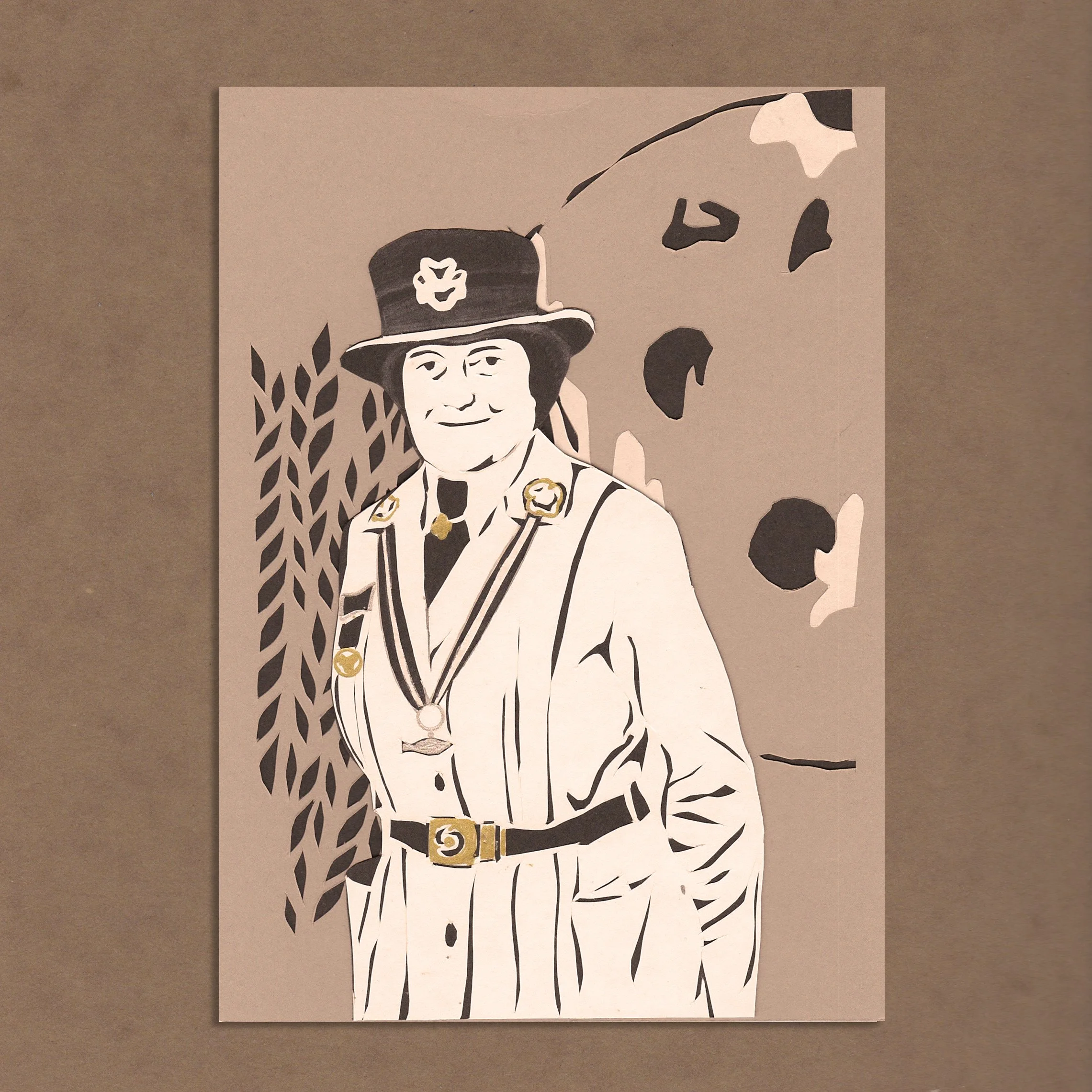
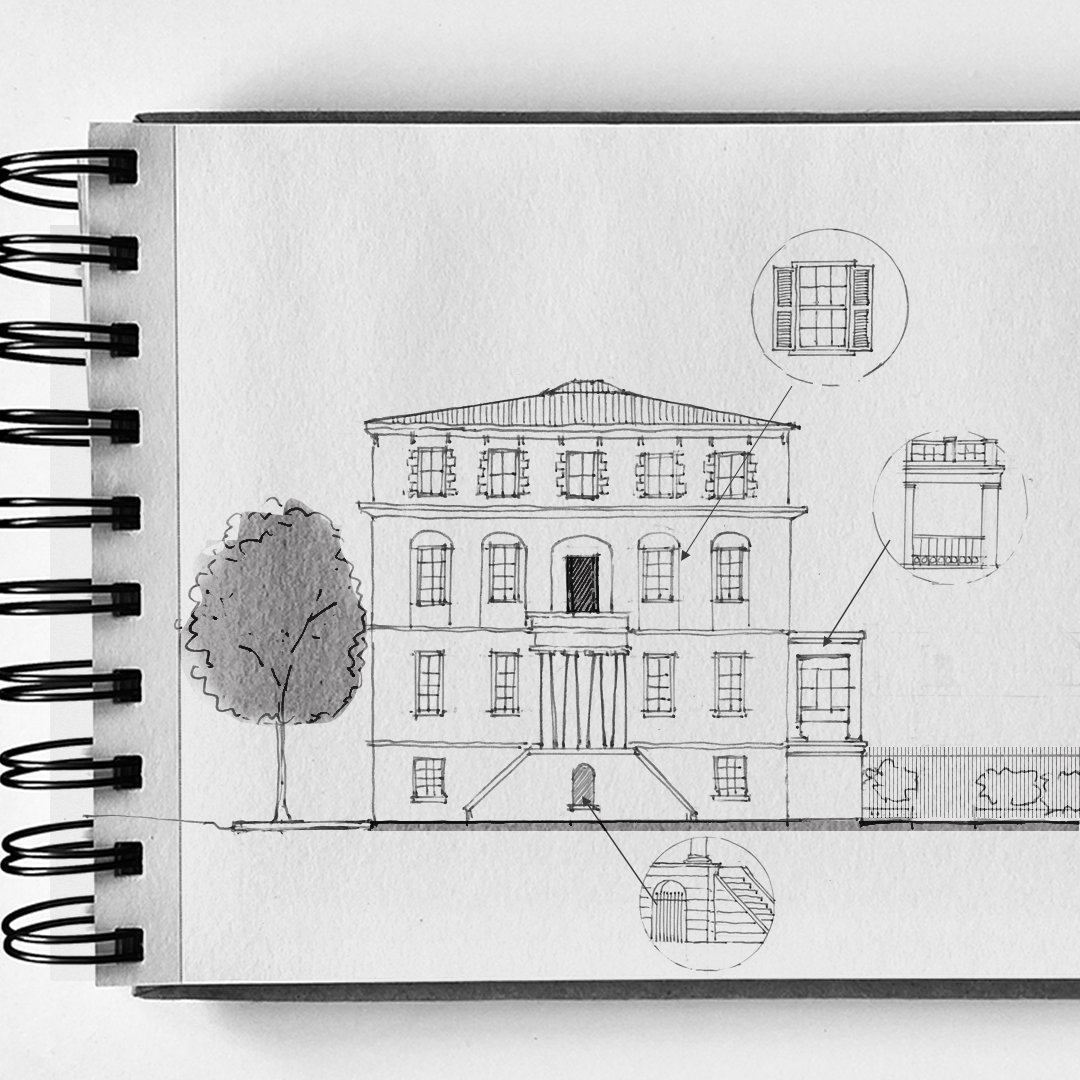
Ms. Juliette Gordon Low’s house, located in Savannah, Georgia, was built in 1812. It is a Federal-style house.
Federal-style architecture prevailed during 1760–1830 and overlapped a period with Greek Revival (1800–1860). It is known for its square, rectangle-shaped roof, and smooth surface. The top is hipped from four sides; making it hard to see the roof ridge from a pedestrian perspective. This architectural style also had a flatter characteristic and did not contain pilasters. In 1965, the National Park Service recognized the significance of Ms. Low’s house and registered it as a historic place. In 2007 this house was included as part of the National Historic Landmark District. In 2015 it received the Historic Preservation Award for Excellence in Restoration.


Girl Scout Founder, Ms. Juliette Gordon Low’s Birthplace: The sketch shows the elevation of original house before the renovation. The call-out bubble shows the new look after the renovation and preservation work.


Taco Matters by Admin

Taco is typical Mexican food consisting of corn or wheat-based tortilla topped with fillings. The tortilla is folded around the filling so people can easily consume it by hand. Traditionally those tacos are served as soft-shell. They were cooked to a soft state by a grill or steam.

Beginning of the 20th century, various tacos became popular in the United States, especially in the Taxes and California area. The crunchy (hard-shell) tacos we are familiar with now are developed here in the States. These hard shell tacos are also known as “Taco Dorados” (golden Tacos in Spanish; and the 1950s was the golden era that kicked off such Taco inventions.

In 1950, Juvencio Maldonado received a patent for the world’s first mechanical taco fryer. In the same decade, Glen Bell, the founder of Taco Bell, also started selling tacos at a taco stand called Taco Tia at 19 cents each from a side window. Back then, the trending food that serves in such manners were burgers, fries, and shakes. Yet Mr. Bell’s entrepreneurial spirit did not stop him there. He asked a manufacturer to make him a wired mode to keep those tortillas in place when frying in batches.

Bell’s fast crunchy tacos and side-window point of the sales were a predecessor of nowadays drive-through. This carryout service allows customers to purchase meals without leaving their cars: they fetch their meals when parked by a side window or let the restaurant bring the food out to the carhop.

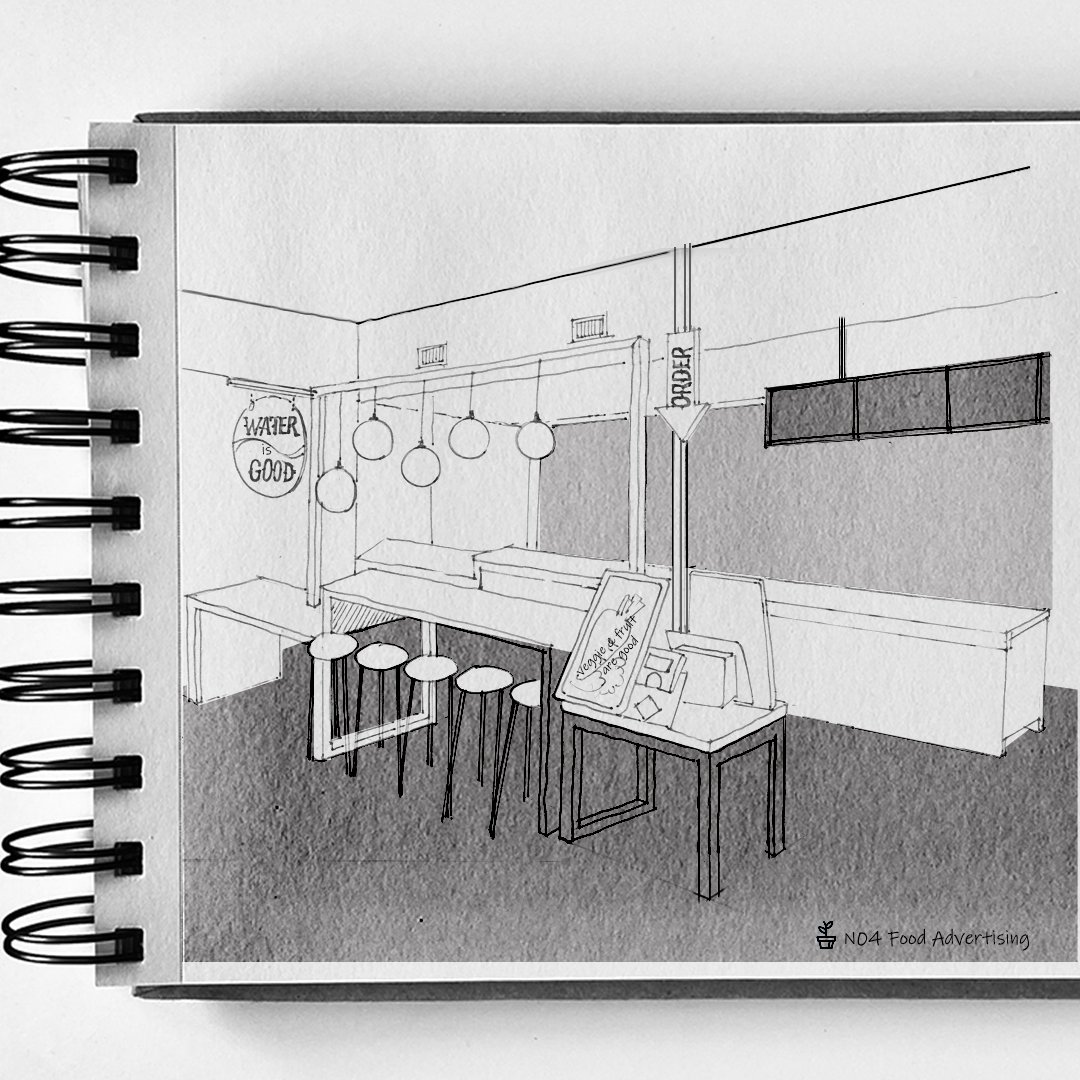
Several years ago, a business article about redesigning the taco fast-food franchise drew our attention. Their refreshed designs kept the wide counter and installed more self-order kiosks. The dining tables transformed from small, individual cubical seating to larger, luminous tables and chic lounge-style seating. The traditional “eat-and-go” fast food vibe seems to have disappeared entirely, and the restaurant has become a mindful eating place. While amazed by their beautiful interior shots, a WELL feature came to mind.

“All dedicated eating spaces and points of sale contain at least two different instances of messaging that promote one of the following: a. the consumption of fruits and vegetables. b. the consumption of drinking water.”— WELL N04 Food Advertising.


What if customers subconsciously receive these wellness message someday?


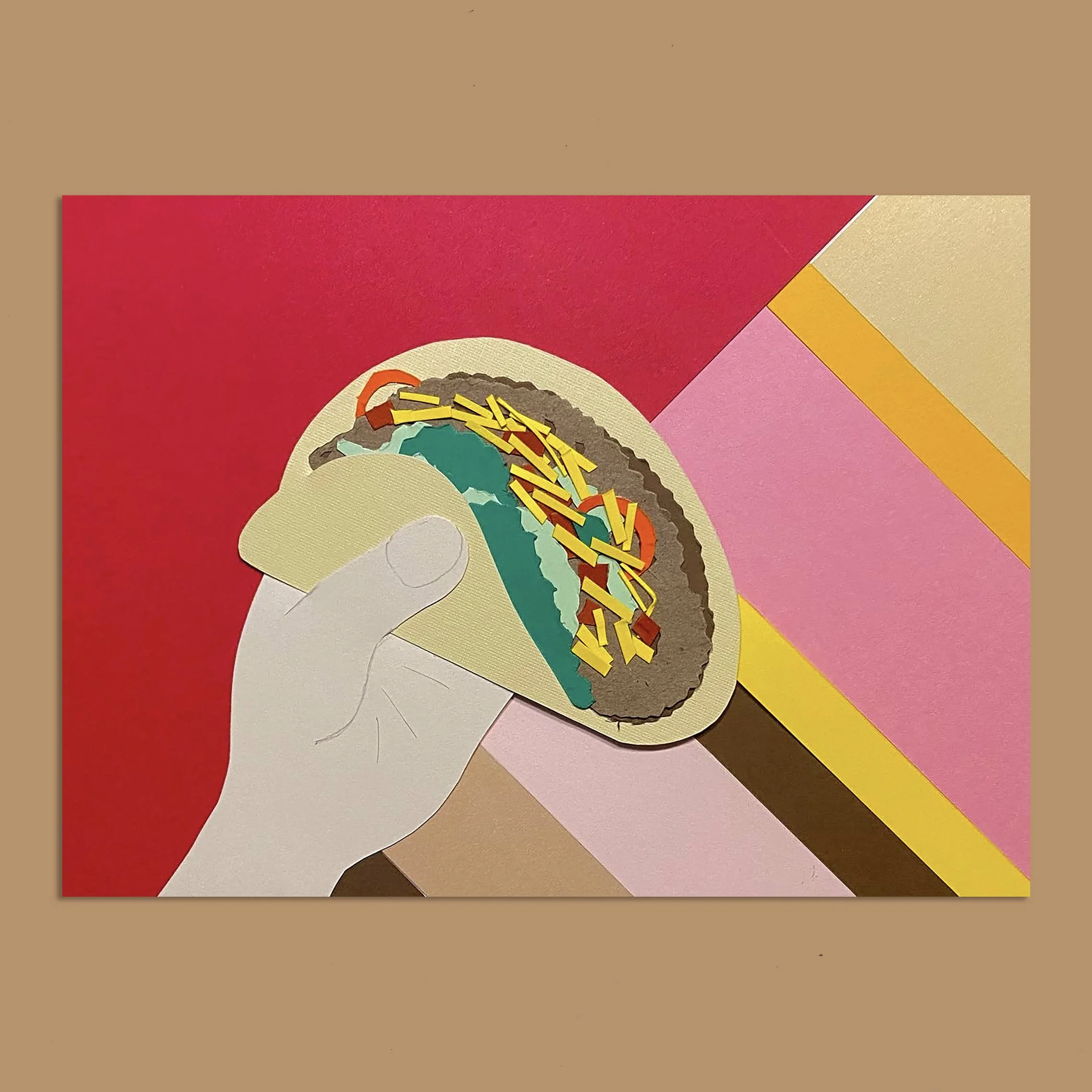
On this special Taco Day, we design this card for retail designers. Thanks to their creativity, so people can recieved educational message while enjoy their food.


By the way …
Fast food usually has a seating area allowing customers to eat on-site. The restaurant has minimal table service because most fast food orders are designed to be taken away. Orders are generally handled by the customers and paid at a wide counter.

The image below is our prexisting impression of Taco Bell: the teal, pink and purple stripes with bold geometries reflected the fast food dining experience around the 1980s when the postmodern reached its fruition.


What would happen if the WELL standard was part of the design trend during 80s or 90s?


The rise of Postmodernism partially reacted against Modernism’s simple or sometime overly-dull aesthetics. Therefore Postmodern works were often eclectic, witty, and often dramatically interpreted the past. Interior-wise, they like to use neo-color palettes, playful geometric patterns, and asymmetrical forms. The Memphis group is representative of Postmodernism. The group was founded in Italy but deeply impacted designers worldwide. Architectural-wise, postmodernists tend to use exuberant colors and exaggerated architectural vocabulary. Architects such as Michael Graves and Philip Johnson are known for such a trend. Their works, for example, 550 Madison Ave (by Philip Johnson) and Portland Building (by Michael Graves), speak to most postmodernism-lovers at the time.


The sketch on the left is the landmark on 550 Madison Ave designed by Philip Johnson, and the sketch on the right is the other epochal building, the Portland Building, designed by Michael Graves.


Second Chance Matters by Admin

This morning, an email from a friend found in the inbox drew our attention. The subject line was “New Surgeon General Advisory Raises Alarm about the Devastating Impact of the Epidemic of Loneliness and Isolation in the United States.” Receiving this email during this week made this message in particular purposeful.

History of Suicide Prevention Awareness

Suicide became a central issue in the United States in the mid-1990s. A Surgeon General at the time, David Satcher, made his call to action on suicide prevention during the Reno Conference in Nevada and prioritized this issue as a public health target. The first World Suicide Prevention Day was launched in 2003 in Stockholm as part of the IASP (international association for suicide prevention) and WHO’s initiatives. National Suicide Prevention Week is the Monday through Sunday surrounding World Suicide Prevention Day. American Association of Suicidology organized this weeklong campaign along with other health professionals since 2011.

Continue reading through the Surgeon General’s letter and its associated links; we realized that CDC also has an advisory page on how we should prevent suicidal behavior. They laid out comprehensive plans, such as strengthening financial support, creating a protective environment, etc. These plans all seem feasible, yet we cannot stop pondering: if these are the suicidal antidote, why do we still see people take their lives regardless of age and social status?

Often people engage in suicidal thinking or suicidal behavior because they feel they can no longer withstand the psychological and emotional pain that they are currently in,” says Psychology Today. These words resonated with our life experience and reminded us of a WELL feature.

“To support and encourage help-seeking for individuals experiencing a mental health crisis through availability and access to service, and to encourage stakeholders to consider and implement reasonable design interventions to support these individuals.” — WELL CRI, Mental Health Crisis Support.

One of the crisis support was Hotspot Management. What is a “hotspot,” you might ask. A suicide hotspot has two definitions. One refers to a geographical area with a relatively high rate of suicide among its resident population; the other refers to a specific site frequently used as a location for suicide.

An effective way of managing a suicide hotspot is to raise a physical barrier because raising barriers restricts individuals’ access to harmful means and prevents suicide attempts. New York University’s Bobst Library is an example. The library installed 20-foot-tall perforate aluminum screens after the student’s second suicide case happened in the atrium area.

Inspired by Bobst Library’s sleeky perforated screen, the sketch shows a fantasy that someday Vessel in NYC could add another layer of protection with enhanced glamour to the entire cityscape.

Loneliness was rising even before the pandemic. Suicidal behavior, which doesn’t happen in other species, can be traced since human history was written. We all have experienced temporary crises and impulsive suicidal thoughts at some point in our lifetime. Making it hard to approach is a way of “buying time” and helping us with the second chance to consider.

On this melancholy week, design this card for people work at crisis hotline, thanks to their professional skills and instant support, people don’t feel alone and enjoy their lives for the second time.


By the way, the Elmer Holmes Bobst Library is located on the New York University Campus. It faces Washington Square Park and is adjacent to the University’s Woodland Garden. Besides its fascinating pixel-shaped panels surrounding the hotspot, the atrium is also an essential topic in the building code. Since the shopping mall emerged in the suburbs during the 1960s, its central multi-stories-height space became a fire and safety design focus. Section 404 of the International Building Code is designated for atrium design. It includes many safety requirements, such as placing sprinkler systems, smoke control systems, fire rating to separate spaces or maximum travel distance, etc.

The sketch shows how Bobst’s atrium screen responds to its surrounding environ

Waffle Matters by Admin

Waffle’s origin can be traced back to Europe in the 13th century. It was a typical dessert eaten during “the Feast of Annunciation”, a religious celebration among Christians. The word waffle came from “wafer” in the Dutch-speaking region. With the rising popularity of “wafers” in the United States during the 1700s, “wafers” became known as waffles.

On August 24, 1869, Cornelius Swartwout was awarded a U.S. patent for an “improvement in waffle iron” consisting of a novel handle for opening, closing, and turning on a stovetop. This invention has set appetites for breakfast, lunch, dinner, and even midnight snacks due to its convenience and easily to use. That was why people began celebrating Swartwout's’ innovation on National Waffle’s Day to commemorate the benchmark in our gastronomic culture.

So who initiated the National Waffle Week? If you are curious like us. The story goes back to the 1950s in the United States, a time of great prosperity in America when many families achieved their American dreams. One of their increased living standards was also reflected in the waffles.

On the West Coast, the Dorsa brothers invented frozen waffles in San Jose California. When the frozen food industry took off in the 1950s, the Dorsa brothers (Frank, Anthony, and Sam) repurposed a carousel engine into a rotating device for a series of waffle irons. This breakthrough invention allowed their factory to prepare thousands of waffles per hour. To this day, you can still see the community built due to the factory employment with an abandoned railroad cut through the housing clusters and facilities bounded by U.S. Route 101 and Coyote Creek.


Vicinity site of the factory founded by the Dorsa Brothers


On the other side of the continent, two neighbors (Joe Rogers and Tom Forkner) decided to open a 24-hour sit-down restaurant near Atlanta, Georgia, in 1955. As the construction of the interstate highway system began to expand and more families traveled long distances by car, travelers could see more “Yellow Signs” popping out along the road across the country. These waffle houses inherited America’s quintessential diner culture. Their configuration is similar to a diner car - a narrow rectangle and often adjacent to a motel. The Waffle House initiated National Waffle Week, which has been observed since 2001.


The Waffle House are typically located close to highways. Here is the example along I-270.


We impulsively ate more delicious waffles while reading about the waffle’s fascinating history and economic impact. The full-stomach sensation reminded us of the WELL feature:

“Promote healthy portion sizes and reduce unintended overconsumption and food waste.” — WELL N 06, Portion Size

This week, we design this card for waffle makers. Thanks to them for making tastey, healthy and sizable waffles so we could enjoy their delicious creation without over consuming.


By the way…

  • If you are curious about what Swarthout’s patent copy looks like, check out the Smithsonian magazine or visit the Swarthout Family Org. You might feel more nostalgic if you are from Troy City in New York.

  • A YouTube video, “How the Waffle House was Built,” from the Weird History Food channel might also satisfy your curious appetite for waffles.

Peanuts Matters by Admin

American’s Favorite

“Buy me some peanuts and cracker jack; I don’t care if I never get back.” Does this sound familiar to you? That is the refrain from the song “Take Me To The Ball Game,” which you won’t miss during the baseball season. “Ballpark Peanuts” are sold hot at the baseball game, and their distinctive crunches have become an essential part of the American baseball experience.

A month away from the end of the major baseball league, this magic legume and the game companion finally get their turn to be celebrated on September 13th.

Fighting for Peanut’s Love

Americans’ favor for peanuts is not only reflected at baseball games. Their love can also be found in naming the places. Suffolk in Virginia and Dothan in Alabama are both claimed to be the “Peanut Capital of the World.”

From the classic peanut soup (one of the fabulous southern cuisine), to the home of the Planter’s Mr. Peanut (a famous advertising icon), Suffolk has been entitled “Capital of Peanut” since the 1900s. On the other hand, Dothan’s annual peanut festival, its central geographic location, with peanut-shaped statues all over the town have made Dothan earn the fame of the “Peanut Capital of the World” too.


The north elevation of Peanut Company, a registered historic place at Suffolk Virginia.


Cultivation of Peanuts

In the United States, peanuts are grown mainly in the South, where the climate is warmer and the growing season is extended. Most of the peanut crop comes from these three regions: the Southeast (Georgia-Florida-Alabama-Mississippi-Arkansas), the Southwest (Taxes-Oklahoma-New Mexico), and the Virginia-Carolina region (Virginia-Carolina-South Carolina). According to the National Agricultural Status (NASS), Georgia accounts for most peanut crops (over 50%). Yet considering peanut growing areas, Dothan is within a 100-mile radius of most of its production, well deserved as the Capital of Peanut.

Speaking of the cultivation of peanuts, George Washington Carver must be mentioned. Dr. Carver was an agricultural scientist and inventor who developed hundreds of products using peanuts (also sweet potatoes and other beans.) With a master’s degree in agricultural science from Iowa State University in 1896, he gained tremendous knowledge of soil chemistry. He noticed years of growing cotton had depleted soil nutrients, resulting in low yield. Growing nitrogen-fixing plants such as peanuts will help nourish the soil again.

Linger between peanut soup’s creamy texture and dense-typed history, Peanuts’ fascinating characters suddenly diverted our focus on studying the WELL standard:

“Supporting a healthy eating pattern by increasing nutritional knowledge and food literacy” — WELL N07, Nutrition Education

Today, we design this card to dietitions, thanks to them for increasing our knowledge on food and neutrition.


Side notes:
1. The Peanut Company at Suffolk, built in 1898, is a registered historic place. One significance of this building is that its architectural style was hugely influenced by the “Chicago Style” at the time. We can tell such impact from its rectangular massing, the flat roof, minimum ornamentation, large openings, and functional expression of the structure skeleton.

Of course, some building characters do not fit into a “typical” Chicago School Style. For example, this building does not obtain a “three-part window,” nor is it expressed as a “tall” building. But it has revealed the changing of building code at the time.

2. Why is it called “Chicago style”?
The Chicago Fire of 1871 gave builders stricter lines: the fire-proof structure. This structure frees the exterior wall from the conventional role as a load-bearing wall. Therefore, the fenestration was large, quite different from the traditional brick building with only arrays of tiny windows.

Also…

  • A detailed history behind this place can be found on the National Park Service website. You can search for “the Suffolk Peanut Company” at the National Register of Historic Places via nps. gov.

  • If you are curious to see what an authentic “Chicago window” looks like, check out “How this window transformed Chicago” by Stewart Hicks on Youtube.


Golf Course Matters by Admin

Golf, a sport associated with long history of our civilization, is celebrated in August.

It is said that the history of golf games can be traced back to the Roman Empire. The modern game of golf originated in Scotland during the 15th century. Early Scottish golf courses were primarily laid out on soil-covered dunes on the sandy coastland. As the game evolves, golf courses become built on parkland and typically have either 18-hole or 9-hole regions of terrain with “cups” to receive balls.

People say the PGA (the Professional Golfer’s Association of America) was the one who founded the first national golf month back in 1993. Their goal was to promote golf as a family-friendly and inclusive sport.

Reading about PGA has reminded us of a justice case, “PGA Tour, Inc. v. Martin.” Casey Martin, a professional golfer who qualified for the PGA Tour in 2000, filed a suit against the PGA for not allowing him to use the golf cart while playing the tour.

Casey claimed to suffer from Klippel-Trenaunay-Weber syndrome, and walking would make him pain, exhausted, and anxious. According to the Supreme Court’s final ruling, “walking” was not indispensable to the tournament; thus, Martin’s use of a cart was a reasonable means of giving him access to finish the tour.

As much as we enjoy walking and like to promote a walkable environment, reflecting on this case reminded us of WELL features.

“Provide buildings that are accessible, comfortable, and usable for people of all backgrounds and abilities.” — WELL C13 Accessibility and Universal Design.


Perhaps not all golf clubs can afford carts for all visitors touring the course, but having an accessible clubhouse will do the same trick. On the other hand, many golf courses are located in a remote suburban site to host the traditional game of 18 holes. Imagine if these golf courses could also be included within local bus routes; that would attract more people to enjoy golf’s beautiful landscape and this historic exercise.

“promote movement, physical activity, and active living through the site and nearby amenities that facilitate walkability and provide proximate access to public transportation.” — WELL V05, Site Planning, and Selection.

On this renowned golf month, design this card for planners. Thanks to them making public transportation so vailable to the clubhouses. So we can gather many golfers, golf watchers, and outdoor lovers in one heathland.

Peach Matters by Admin

Peach, the fruit representing a great deal of Asian culture and the key ingredient of southern cobbler, is celebrated in August.

The history of Peach can be traced back to ancient China during the Zhou Dynasty. In ancient China, people believed this fruit benefited health and longevity. Many dessert buns were shaped like peaches on older people’s birthday celebrations.

Peach also symbolizes romance and popularity. Idioms were composed with this fruit, such as “having a peach-blossom luck” (having luck in love) or “peach and plums all over the world” (having pupils everywhere).

Though peaches were initially grown in China, their cultivation became popular and widespread in Europe through Persian countries. That is why Peach has the scientific name “Persica.”

Peach is now widely grown in the United States, and summer is the peak peach-picking season. Because peaches need limited chill windows, The top peach-production states are California and Georgia. Though Maryland is not the top-produced state, we can still enjoy this juicy fruit by visiting nearby pick-your-own farms. Several orchards offer pick-your-own activities. Visitors could spend a summer weekend in a farmhouse and participate in part of the harvesting excitements.


Reading Peach’s history and thinking about a family summer activities reminded us of a WELL feature.

“Individuals who participate in community and home gardening projects have a higher level of fruit and vegetable consumption and are more likely to meet national recommendations for fruit and vegetable intakes than nongardeners.” — WELL N12, Food Production

On the National Peach Day, we design this card for community and home gaderners, thanks to them for making fruits and vegetables so accessible for everyone.


If you like this topic, you might also like these articles:

Gourmet Coffee Matters by Admin


August is the National Coffee Month, a perfect season for some novel brewing or freshly roasted beans.

We took a friend’s suggestion to taste a “gourmet coffee” at a nearby neighborhood. While immersing ourselves in this magic coffee aroma, the experience reminded us of a sustainable design principle:

“Strengthen community and encourage social connections by providing outdoor gathering spaces to support people gathering, eating, working and playing together.” — SITES-Human Health + Well-Being 6.6, Support Social Connection

That strategy might sound easier than done because shop owners often are required by the authority to control their sidewalks. Therefore, during the project’s planning phase, we need to meet with the stakeholders and potential site users to identify needs and appropriate management duties.

Many social science studies have shown that people in communities with strong social ties demonstrate greater resilience and ability to cope with changes. For example, Miami Beach has branded itself as an prosperous city with a special flavor of arts, culture, education and business to strengthen their economic resilience. Houston Street in San Antonio was activated with cafes and artisan shops to form a walkable commercial district.

Other cities, like Paris or Seattle, have been known for their coffee culture for decades. The significance of the coffee place has surpassed its unique aroma. Whether in Avenue des Champs-Elysees or Starbucks, people bond over coffee no matter where they are.

On this momentous day, we design this card for all coffee shop lovers. Thanks to their love for coffee shops, so the streets can be filled with coffee vibes, aroma and activities.

Sandwich Matters by Admin

Sandwich, one of America’s most popular menu items, is celebrated this month.

A sandwich typically consists of vegetables, cheese, slices of meat, and at least two pieces of bread. This simple and comfy food makes it a popular choice for school lunch, office brownbags, or picnics. It is also a household staple that you can find at the deli across the street or in a diner by the highway.

Who came out with the idea of making “sandwiches”? If you are curious like us. Sandwich is named after its supposed inventor, John Montagu, the 4th Earl of Sandwich. It is said John Montagu liked to order his “sandwich” during his long cribbage and other game session because that food allowed him to continue gambling while eating without needing other utensils. Then sandwiches slowly began appearing in society as a late-night meal among these aristocrats.

In the 19th century, when the rising industrial society took off, the sandwich became popular among the working classes. People like to consume sandwiches because they are fast, portable, and fairly inexpensive.

In America, sandwiches became the standard menu item during the first diner boom. Those diners typically serve casual American cuisine such as hamburgers, fries, pancakes, or sandwiches. From 1920 to 1940, those diners were commonly known as the “lunch cars” because many were refurbished from a retired train or trolley. After World War II, as the economy returned to civilian productions and many people drove across towns, diner became popular and frequently stayed open 24 hours a day. Sandwiches offered at the diner were no longer linked to a specific meal schedule but rather a comfy food always available.


The sandwich was created while its inventor focused on something else. Ironically, as our lifestyle evolves, we now have an elaborate club sandwich with fries and a milkshake as we desire. We can also eat alone or attentively with our friends or family in most diners.

Reading the sandwich’s interesting gastronomy, which surprisingly tied to the progression of our built environment, reminded us of a WELL feature.

“In addition to eating and space, having designated meal periods can help ensure individuals have and take time to eat mindfully.” — WELL N08, Mindful Eating

On the Sandwich Day, we design this card for sandwich maker, thanks to them for preparing the meal and space so we all can eat mindfully.


By the way, if you are interested in seeing how the beauty of quintessential diners was recorded in history, visit “Nighthawks” (1942), a painting by Edward Hooper at the Art Institute of Chicago. For those who also live in the same county as us, stop by the Tastee Dinner at 8601 Cameron Street, Silver Spring. According to Maryland’s Historical Trust’s inventory description, this diner was “exceptionally significant as an extremely rare building type and a classic example of Art Deco/ Moderne commercial architecture.” Imagine yourself having a meal in its streamlined-curved window seat would surely be an exceptional and mindful dining experience!


Enviromental Education Matters by Admin

During the summer of 1972 Stockholm, under the Declaration of the Human Environment Conference, the United Nations Environment Program (UNEP) was created to maintain certain practices and standards to preserve our environment.

Half a century after the program was initiated, we are still learning how to help our planet regarding many environmental issues, from the policy level to our daily habits, which reminded us of one of the sustainable principles:

“Promote understanding of sustainability in ways that positively influence user behavior by interpreting on-site features and processes.” — SITES 9.1 Promote Sustainability Awareness and Education

What options can we utilize to reach this goal? We can use interactive or interpretative educational materials to narrate and illustrate projects’ approach to implementing sustainable SITES credits. An interpretive part could be a map, model, sign, or video. An interactive element could be a website, electronic kiosk, or a tour.

On this momentous day, we design this card for educational sign-makers, whether they make signs, websites, or videos. Because of their passion for teaching and creativity, so that everyone can receive arts and knowledge at the same time.

Disability Pride Matters by Admin

July is Disability Pride Month. It is celebrated worldwide, including in the United States, the United Kingdom, South Africa, and other countries across the globe.

More than three decades ago, President Reagan officially declared Proclamation 5613, which marked the first official awareness for people with disabilities. In 1990, President Bush signed the Americans with Disabilities Act into law. That same year, the first Disability Pride Day was also held in Boston to commemorate this historic moment.

These actions called people to provide understanding and support for the disabilities community. On the other hand, many of us still think people with disabilities are a minority group. In fact, according to the World Bank publication, 15% of the world’s population is identified as disabled. The percentage of the disability population is even higher in the United States. According to official estimation, up to 1 in 4 adults in the United States have some disability and would need additional support ranging from mobility to daily self-care.

Many disabilities are not visible from the outset. That stigma-breaking identity is reflected in disability’s pride flag. The red represents the physical disability; gold means neurodivergent; white symbolizes invisible and undiagnosed; blue acts as a psychiatric disability, and green reflects sensory disability.

Reading disability’s shocking infographics and stunning flag reminded us of a WELL feature.

“..projects that provide public use spaces and community programming can encourage social interaction and cohesion, community empowerment and collective feelings of ownership, reducing community health risks like stress, depression, heart disease, stroke, and chronic disease and improving physical and mental health, happiness and healthy behaviors.” - WELL C11, Civic Engagement

Being aware of the population with a disability is one thing; embracing disability as our true self is another. We might have all gone through moments of being disabled in our life. Once we take pride in our whole selves, including all chronic or temporary disabilities, then we can understand our limitations and still love who we are.

On this historic month, we design this card for non-profit organizations, thanks to them for looking after disability community.

Park and Recreation Matters by Admin

It is said that people in the United States have celebrated Park and Recreation Month since 1985.

When did the park become so essential in our urban life? If you are curious like us. Before London’s parks were first developed in the 18th century, the English landscape gardens were always seen as a private luxury. Their designs contained countless allusions tied to Greece and Rome’s symbols. Walking or riding through the picturesque landscape was considered a balanced mental activity: neither too exhausting like farming nor too dull with predictable views. Such landscape arrangement activated human curiosity, prefiguring theories later in modern psychology.

After the major cholera epidemic in England in 1832, the selected committee realized the need for recreational space. It thus urged every town to establish public parks to improve health conditions.

In 1841, Liverpool’s Birkenhead Park was funded by public money to serve the overcrowded industrial workforce. London’s Victoria Park, built in later years, did an even larger working-class population in the capital’s East End.

The New York Central Park, influenced by Paxton’s idea in Birkenhead, was built in 1858. Fedrick Olmsted and Calvert Vaux designed the park with the belief that pastoral scenery provided an antidote for urban dwellers.

“Parks are affording the most agreeable contest to the confinement bustle and monotonous street division of the city,” Fedrick Olmsted once said.

In the 1980s, researchers began providing scientific evidence that backed up Olmsted’s pastoral scenery theory. Studies by many scholars such as Kaplan and Kaplan (1989), Appleton (1975), Wiston (1984), Bourassa (1991), and Ulrich (1999) in later days all suggested that the biological basis for human preference for a particular natural environment brings us psychological benefits.

While reading about urban parks’ fascinating history, it reminded us of a WELL feature.

“At a community scale, active design considers the ways in which communities can encourage populations to be active through public infrastructure, such as cycle lanes and green space. “

— WELL V01, Active Buildings and Communities.

According to NRPA (National Recreation and Park Association), the theme of year 2025 is “Build together, Play together.” Many cities aim to bring essential services to the parks and have activities to celebrate this month. On this special month, we design this card for park lovers. Thanks to them for sharing their love of park with everyone inn the community.