
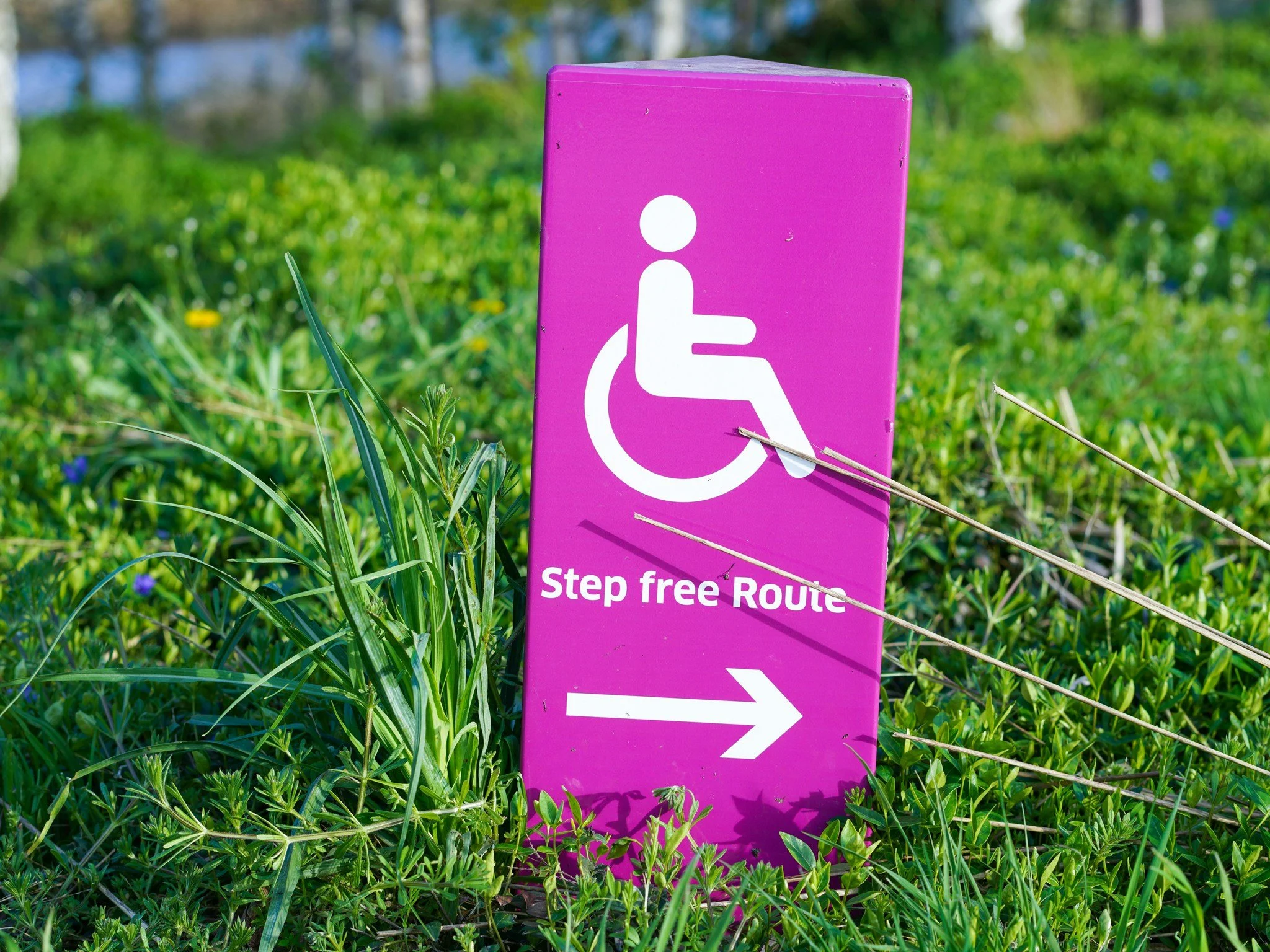
ADA, the Americans with Disabilities Act, is not a new term for many of us. It was a civil right and signed into law over 35 years ago. However, we might not be familiar with the purpose of this law and its scope.
Here we list 2 common mistakes when making our built environment ADA-compliant and how we can avoid them.
Funding Matters, recognize all the Applicable Accessibility Code
Both ADA (the American Disability Act) and ABA (the Architectural Barriers Act) are the law. They are the legal obligation of property owners to ensure the property is suitable for any handicapped person to use. ADA Standard for Accessible Design, on the other hand, is a technical standard to help the projects meet the legal obligations.
Other than these distinctions, different funding also triggers different accessibility requirements. For example, Federal funding triggers an ABA-related standard. HUD's funding often requires FHA's (the Fair Housing Act) requirements and regulations. Therefore, having a comprehensive knowledge and determining what kind of accessibility standard to use is critical.
Not aware of the area of risk
Having the knowledge is one thing; properly applying knowledge is another. Oftentimes, the design team misunderstood the standard or neglected to check the existing condition, which often leads to an area of risk.
At the beginning of the project phase, the design team should conduct a proper site visit to document any noncompliant items on the project site. They shall also state the condition that is outside of the scope of work, call out the ambiguous area, and notify the authority.
Neglect the precision
omit the subtle elevation changes
When designing our built environment, precision is the key. How precisely we need to align the site/building elements and comply with the related rules and regulations leads to the project's success. For example, a slight elevation change neglected during the construction can become a trip hazard for final occupants.
Improper sign placement
Vision impairment is also a type of disability we often overlook. Other than properly placing the railing under the staircase, properly placing a braille sign is also a critical item for users experiencing vision impairment. Below is the diagram on how to properly place the signage.
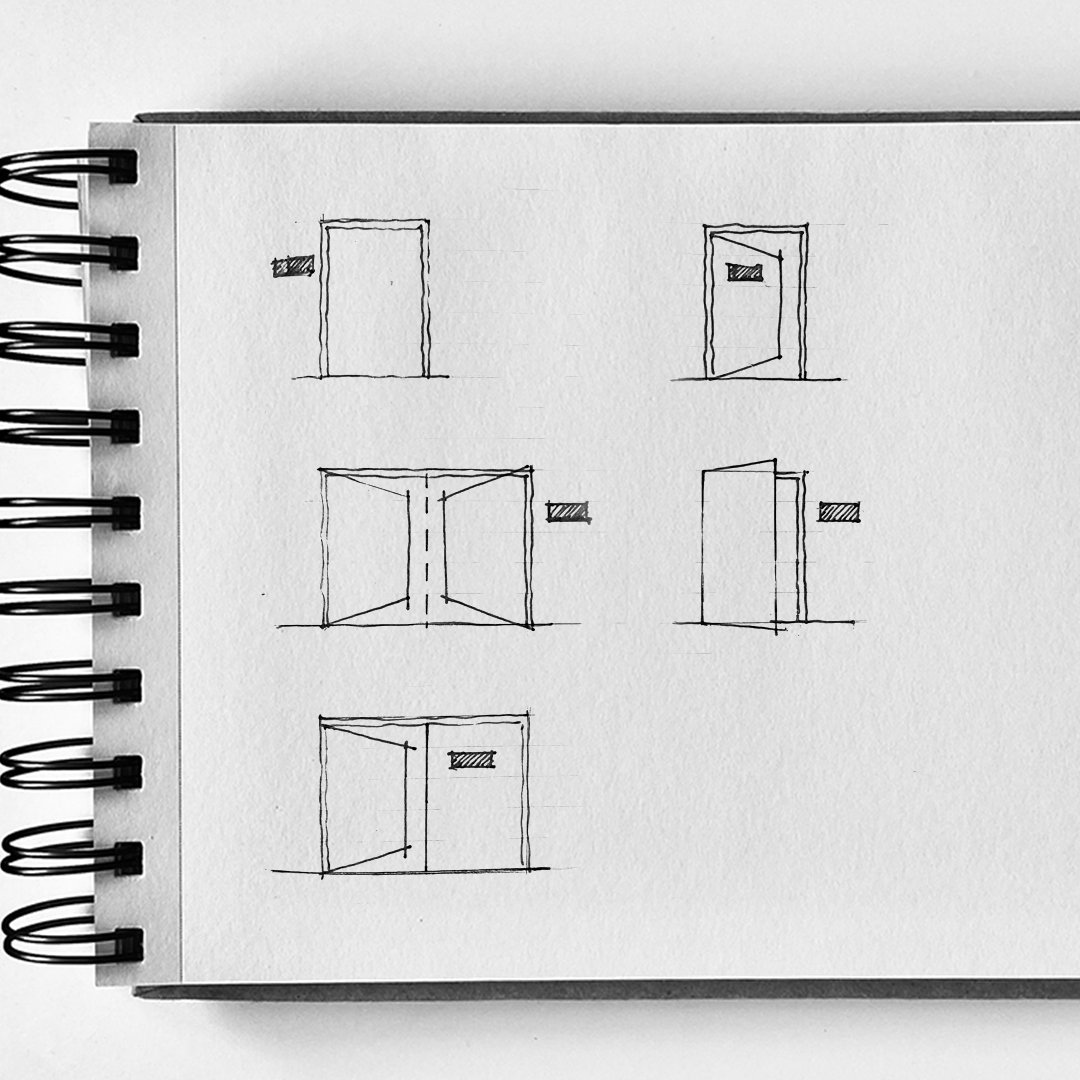
Original Source: Preventing Access Failures: 6 Tips for Design Teams, NCARB
Neglect material and maintenance
When the design team discusses all accessibility requirements, their focus often remains on paper (the construction documents), not on the final product. However, ADA standard 302.1 states," A firm surface resists deformation by either indentations or particles moving on its surface. A slip-resistant surface provides sufficient frictional counterforce to the force exerted in walking to permit safe ambulation." Though the statement didn't specify what kind of material we should use on the accessible route, it has clearly advised the type of material that designers should use on the accessible route. The material applied to the accessible route shall be smooth and free from rough texture.
Project's success also lies in operation and maintenance after the project's final occupancy. 28 CFR 35.133 (A) also says, "A public entity shall maintain in operable working condition those features of facilities and equipment that are required to be readily accessible to and usable by a person with disability by the Act or this part." Most of the designer's scope of work and responsibility stays on the 100% construction document, yet it is very important to the owner and team to come out with a building's commissioning plan. So that the final project can be thoroughly maintained to ensure a good user experience.
Final Takeaway
It is important to get an ADA subject matter professional on board at the early stage of design development phase, and not wait till to discover noncompliant areas at the 100% construction document. The professional should carry professional liability insurance, have extensive experience in accessibility design, and hold proper accreditation and certification, such as APA certification or APAC-BE certification. The sooner we can define the risk, the easier it is for us to mitigate the risk. Accessibility design is not only about law, obligation, or technical compliance; it is about users' rights and their experiences inside and outside the building. We designers can also use the project's opportunity to develop our empathy in all aspects of design and make our built environment more approachable and friendly to everyone.
Notes and Reference:
Chapter 4 Accessible Routes, Guide to the ADA Accessibility Standards, Accessed 2/19/20226
Chapter 3, Floor and Ground Surface, Guide to the ADA Accessibility Standards
28CFR 35.133 from Department of Justice, Part 35-Nondiscrimination on the Basis of Disability in State and Local Government Services