
“Metal is the feeling of being an outsider, but still being partof something huge.” - Brian Posehn
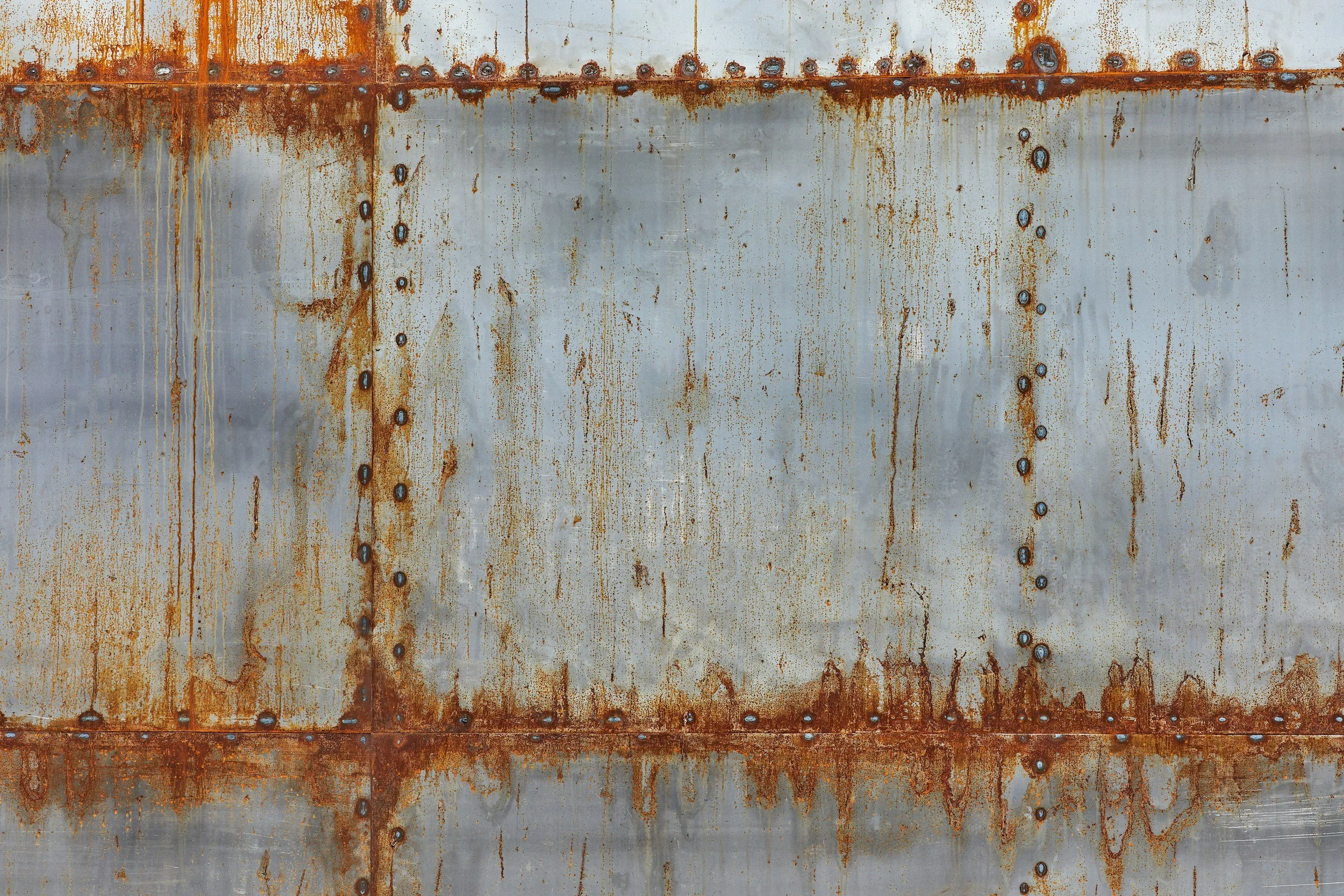
Have you ever tried to paint a rusted metal door on your own? Reading Brian’s quote made me realized how much our rusted utility door plays a significant role ouside of our unit. It’s not just an exterior feature— it also forms major part of our apartment building’s overall character.
Ane here are the steps of how I paint our metal door.
1.Prepare the space and remove hardwares
Remove the doorknob, deadbolt, and weatherstripping. If possible, take the door off its hinge and lay it flat on sawhorses; that will make rolling the door surface a lot easier.
2. Use the wire brush and sanders to clean the surface thoroughly.
Scrape the peeled paint with a 5-in-1 painter's tool. It has a rigid metal blade with a sharp point. I use it to knock the cracks first and scrape off the paint. Then brush the rusted area with a wire brush. Lightly scuff-sand the entire surface with 120- to 220-grit sandpaper. I use orbital sanders to strip the peeling paint.
Painting Must-Have: The 5-in-1 painter's tool is a versatile multi-function hand tool that comes with a rigid, odd-edged metal blade and durable handle with a tiny pocket. Besides scraping chipped paint, I use it to open and close paint buckets, clean the paint roller, and spackle/ spreading the compound putty.
3.Clean the surface and apply Rust Remover
Rinse the door with degreasing dish soap diluted in warm water to remove grease, fingerprints, and dirt. Use a microfiber cloth to clean and let it dry before applying rust remover.
Apply rust remover and prepare the surface to paint. After applying, I let it sit on the surface for about 20 minutes, then wipe it off with a damp cloth. Then clean the remaining residue with mineral spirit (paint thinner), let it dry completely so paint won't stick to oil.
Wear A Mask: There are multiple rust removers to choose from; many of them are water-based chelating agent that completely removes rust down to bare metal through a soaking process. In this case, I use Rust Aid Rust Remover gel. The Rust Aid Rust Remover is a hydrochloric acid along with proprietary amines added to create the gel consistency. It has a strong smell, so make sure to wear a mask and apply it in a well-ventilated area.
Avoid Flash Rust: If your original metal surface has no coating on it, you must clean off remaining residue, neutralize the surface, dry the metal completely, and apply a protective barrier or primer to prevent future rust. If you don't, the bare metal is likely to have "flash rust".
When Cleaning The Surface: Some home-improvement influencers recommend using trisodium phosphate (TSP), which is a powerful alkaline salt. It has a high pH and cleans oil, grease, and mildew. I've not tried this product myself on this project.
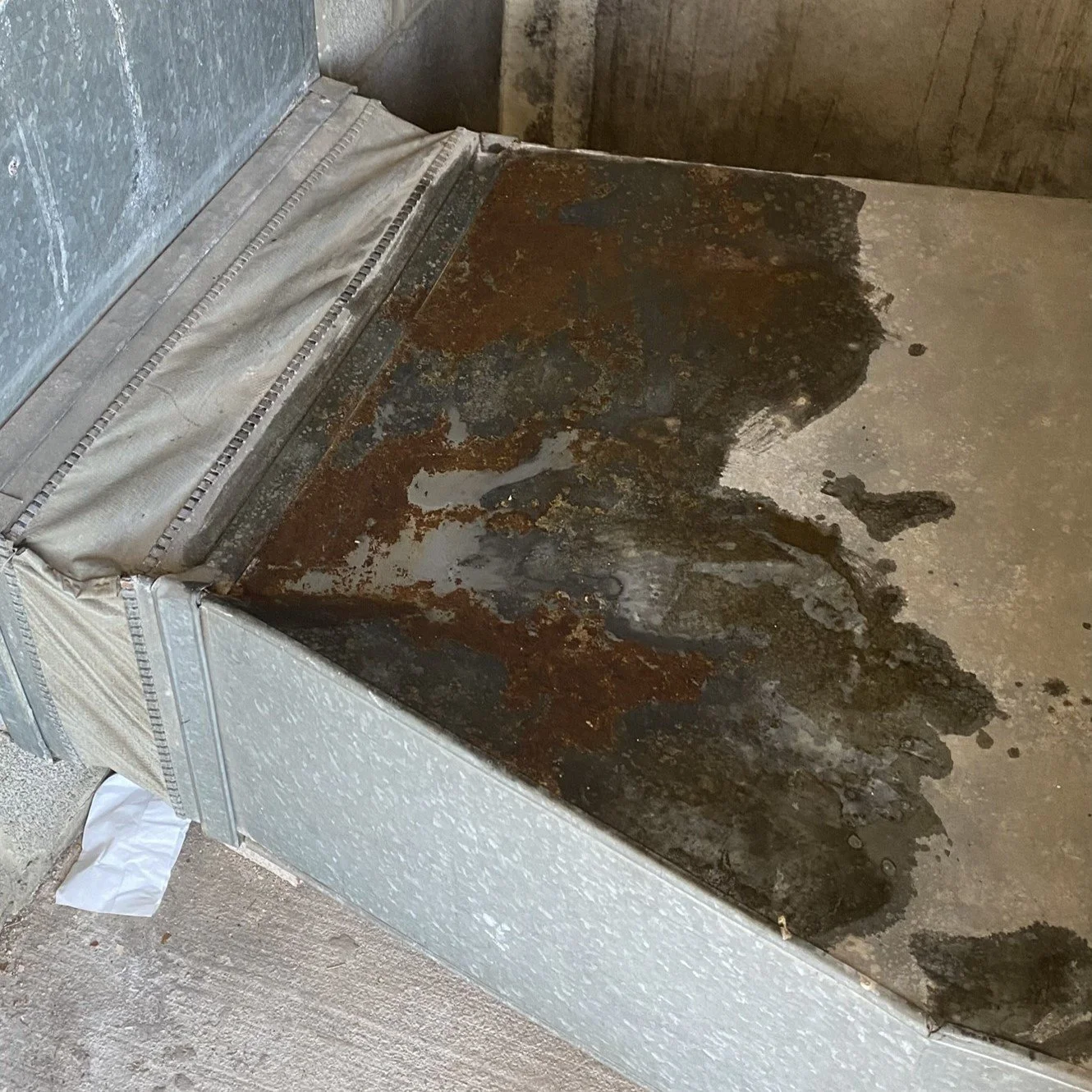
Original Rusted metal Surface
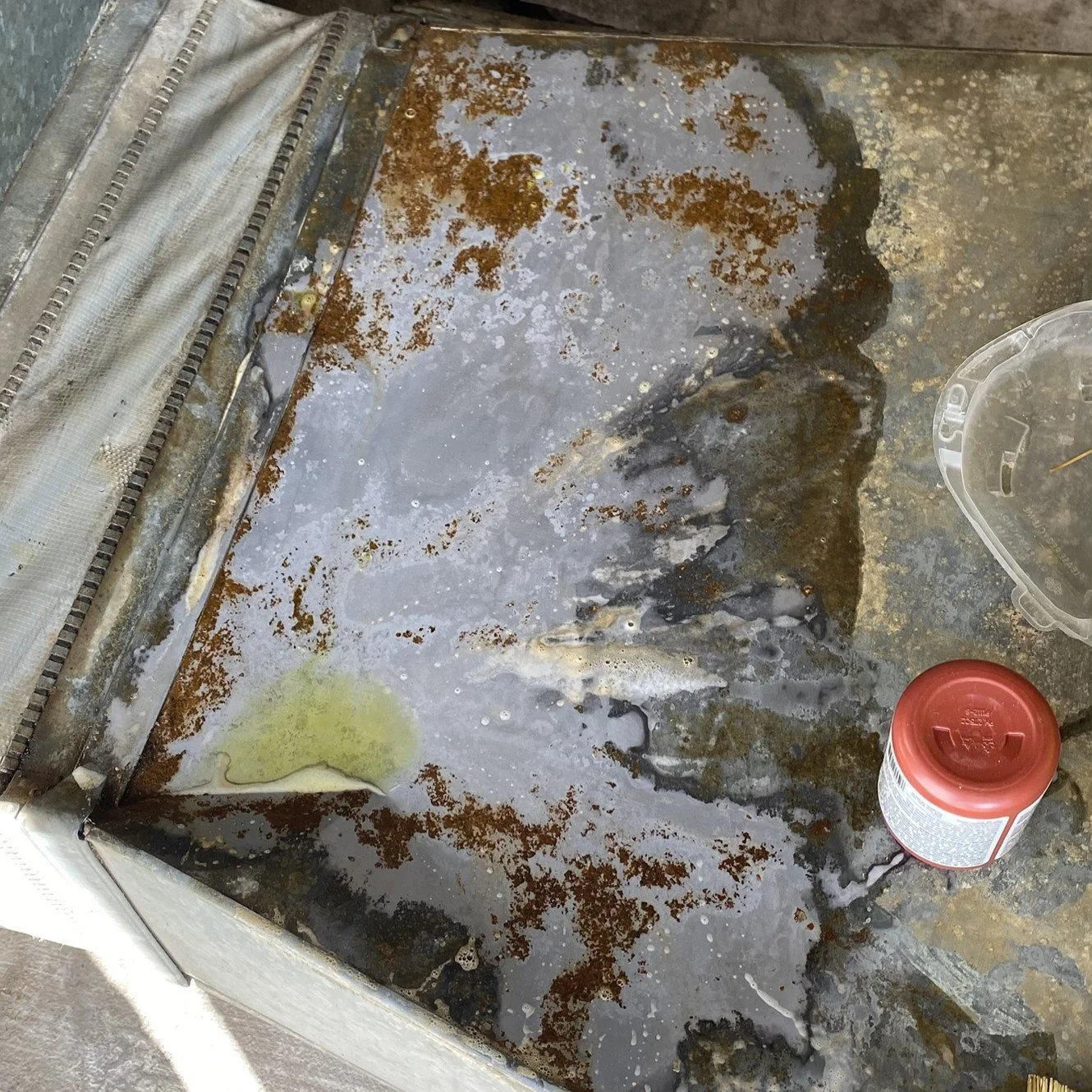
Apply rust-remover to cleanup the rust.
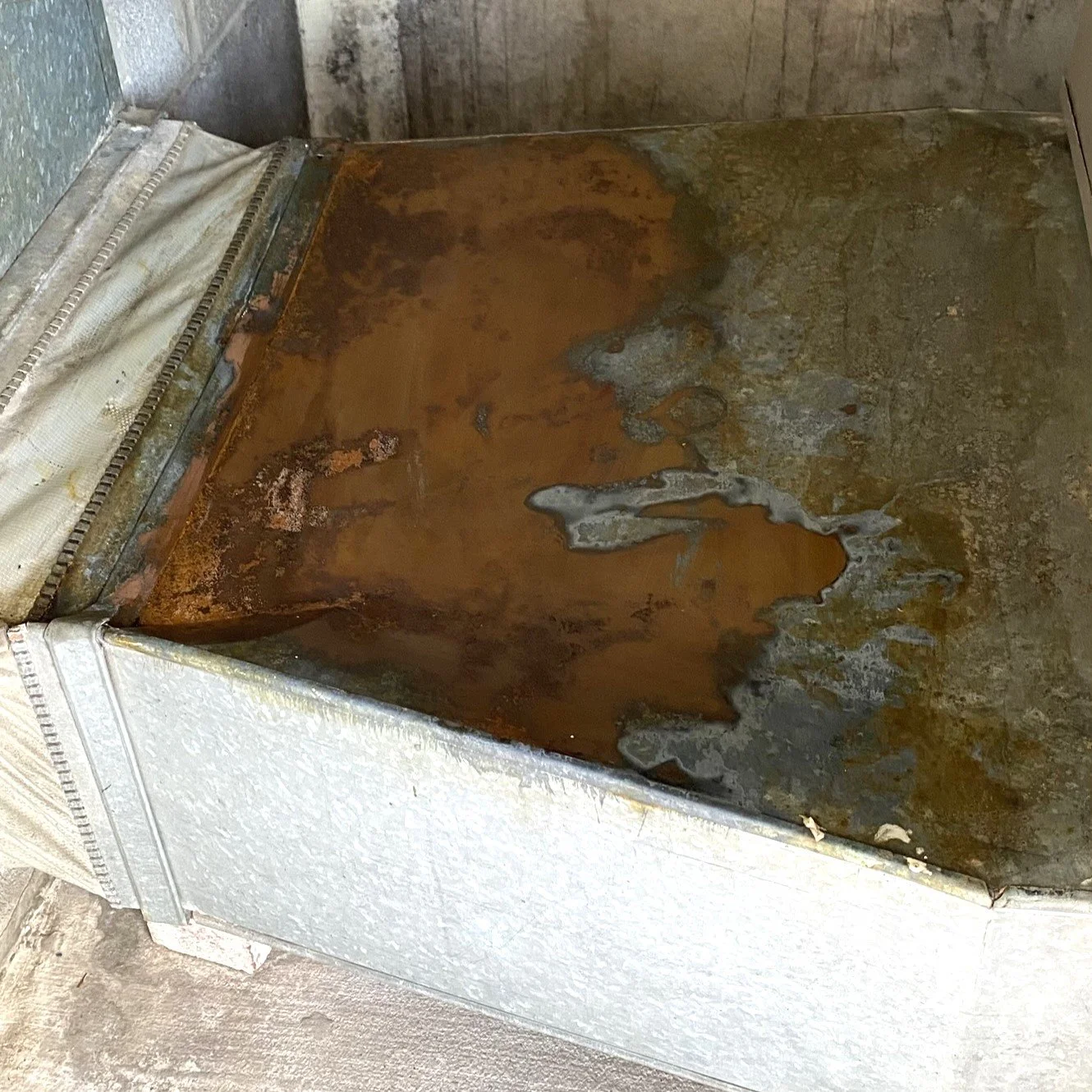
Flash Rust because it did not dry completely and lacking of proper protection.
4. Mask the surrounding
Tape the surrounding area as needed. When painting the hinge, tape it off before painting.
5. Apply a specialized metal primer & paint
Use metal-bonded primer. Since my door has a lot of rust, I use a rust-inhibiting primer. If you cannot sand down all the rust, spot-prime those areas first, then prime the whole door. Let it dry according to the manufacturer's directions. I use Rust-Oleum clean metal primer, so I wait for 24-48 hours till the primer is fully cured, then paint the first coat.
After painting the first coat, lightly sand it, wipe down the dust before the second coat, and paint the door frame while waiting for it to dry.
In case it is a panel door, paint the recessed panel detail first with a 2-inch synthetic brush, then roll the flat area (flat stile) with a 4-inch high-density foam roller or short-nap microfiber roller to eliminate brush marks. Then let the first coat dry completely, usually 2-4 hours before applying the second coat.
As a side note, Rust-Oleum has two kinds of metal primer, one labeled "rusty metal " and the other labeled for "clean metal". Whether you have a rusted surface or not, if your final coat is a light color, it might be best to use "clean metal" primer, so you don't need multiple layers to cover the dark primer underneath.
Oil-based vs. Water-based primer: When applying primer to metal, it generally comes down to two choices: an oil-based (alkyd) primer and a water-based (acrylic) primer. Oil-based primers are traditionally considered the gold standard for ferrous metals (metals containing iron, like steel or wrought iron) due to their superior protection against rust. Water-based primers are gradually closing the performance gap. They are flexible with temperature shifts, suitable for galvanized metal, dry quickly, and have low odor. Despite so many benefits, they still have very limited capacity to limit rust.
Here is the breakdown of each type of metal primer

6. Reassemble
Leave the final coat dry for at least 24 hours before reinstalling hardware, weatherstripping, or hanging the door back up. Even if it feels dry to the touch, latex paint takes a few days to fully cure and can stick/ peel if pressed against rubber weatherstripping too soon.
A side note on weather: if painting outdoors, pick a dry, overcast day between 50F and 85 F. Direct, blazing sunlight will dry the paint too quickly, leaving brush strokes.
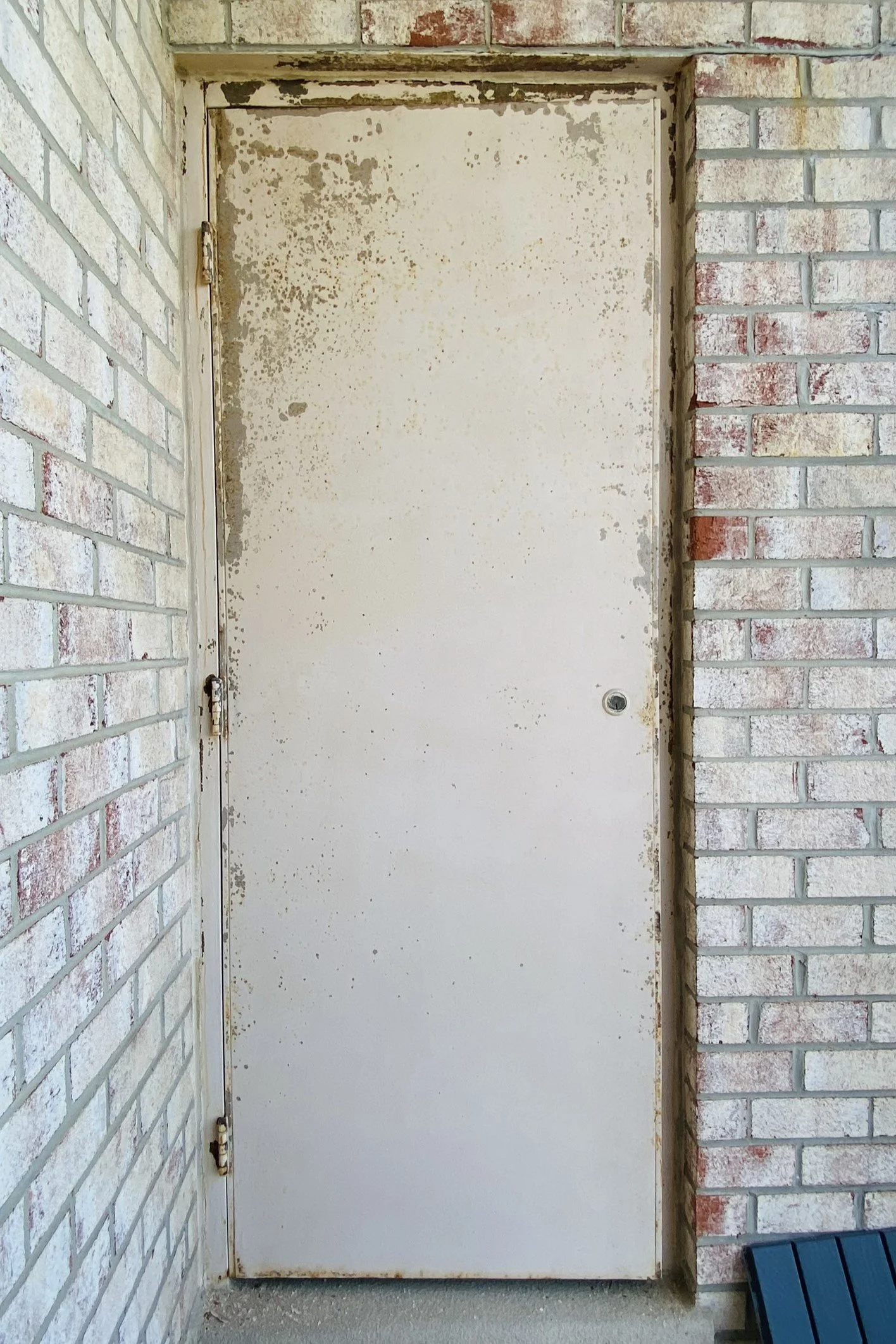
Scrapped metal door before painting
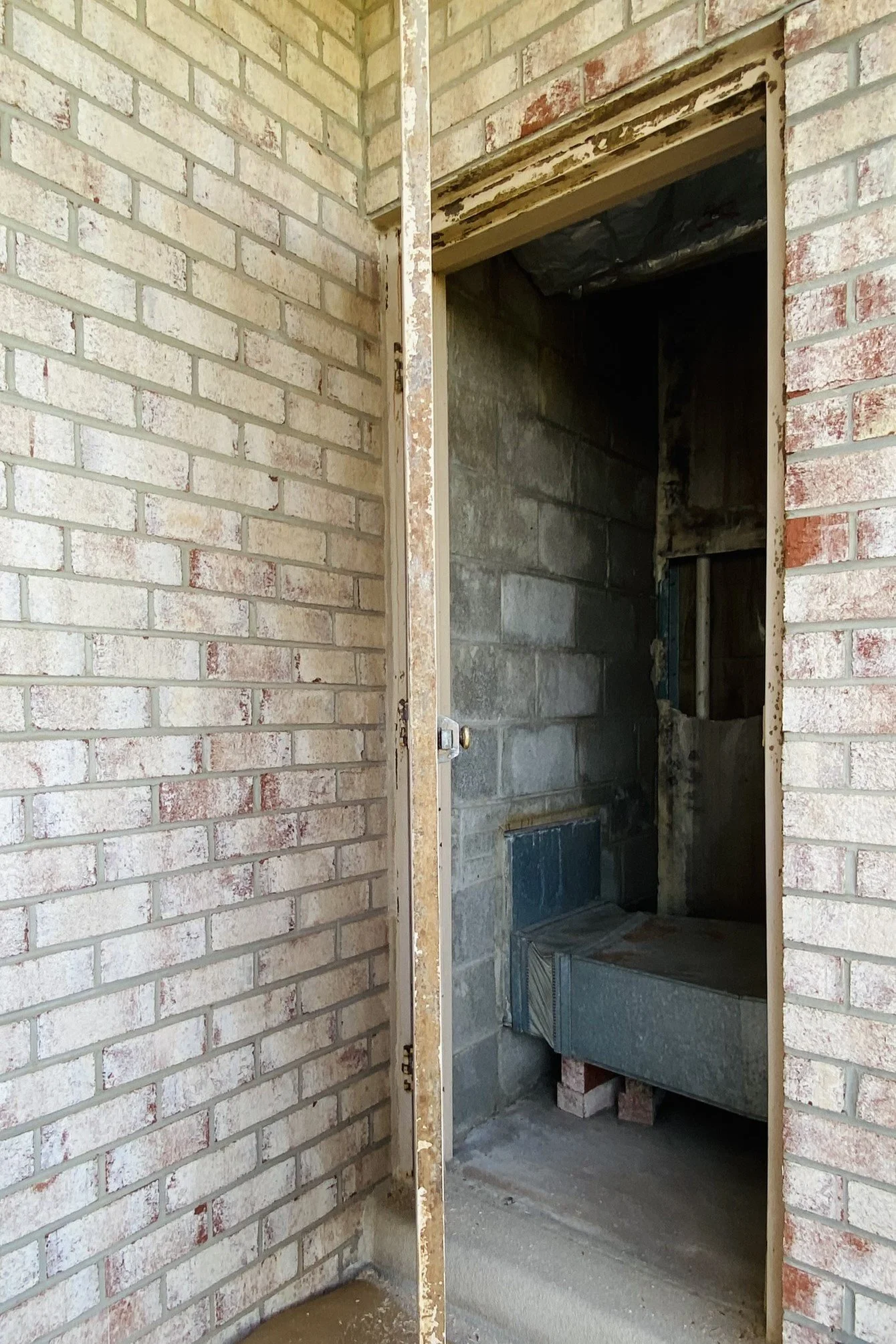
Door edge and the air handling equipment inside
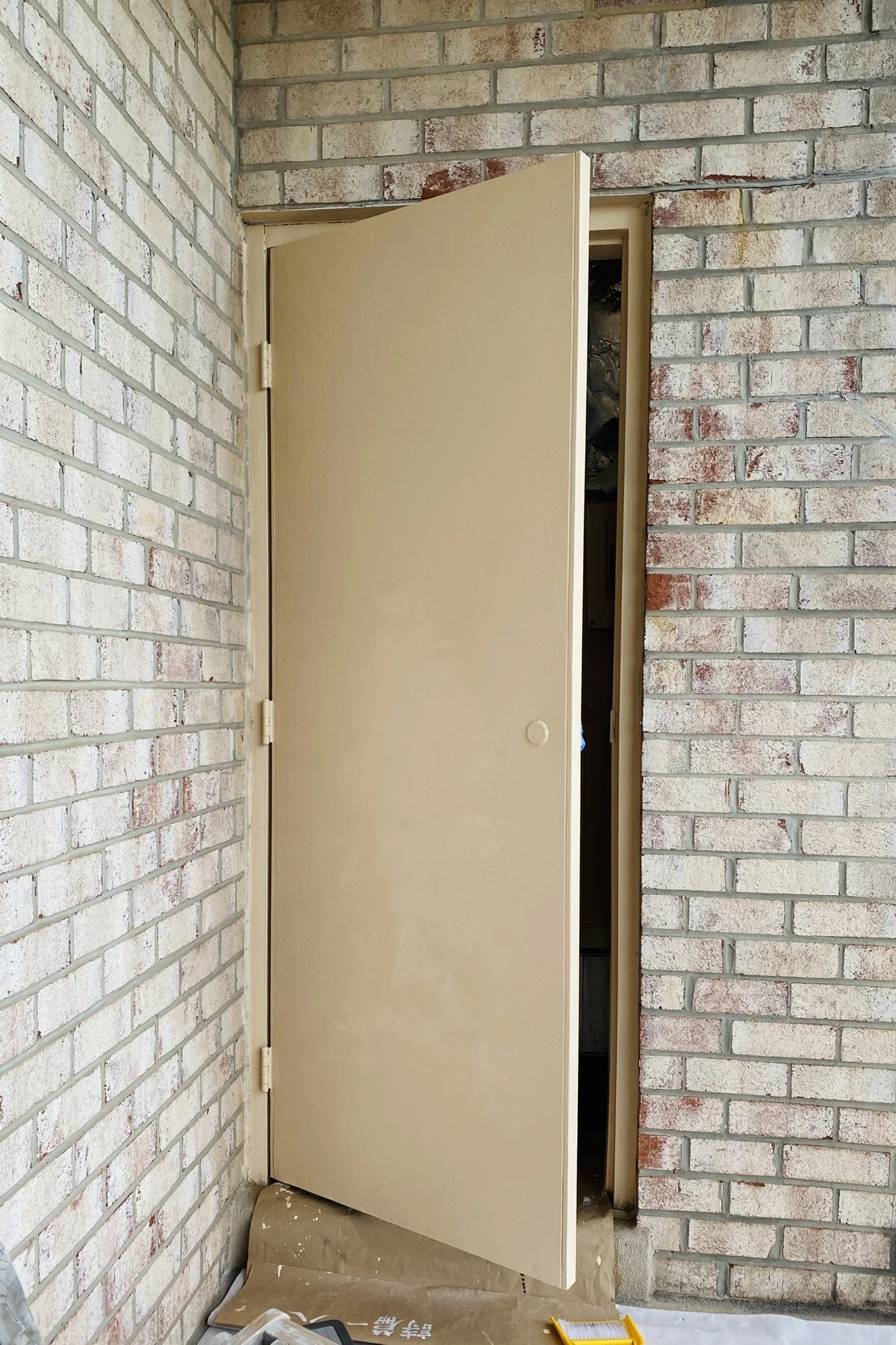
After first coat