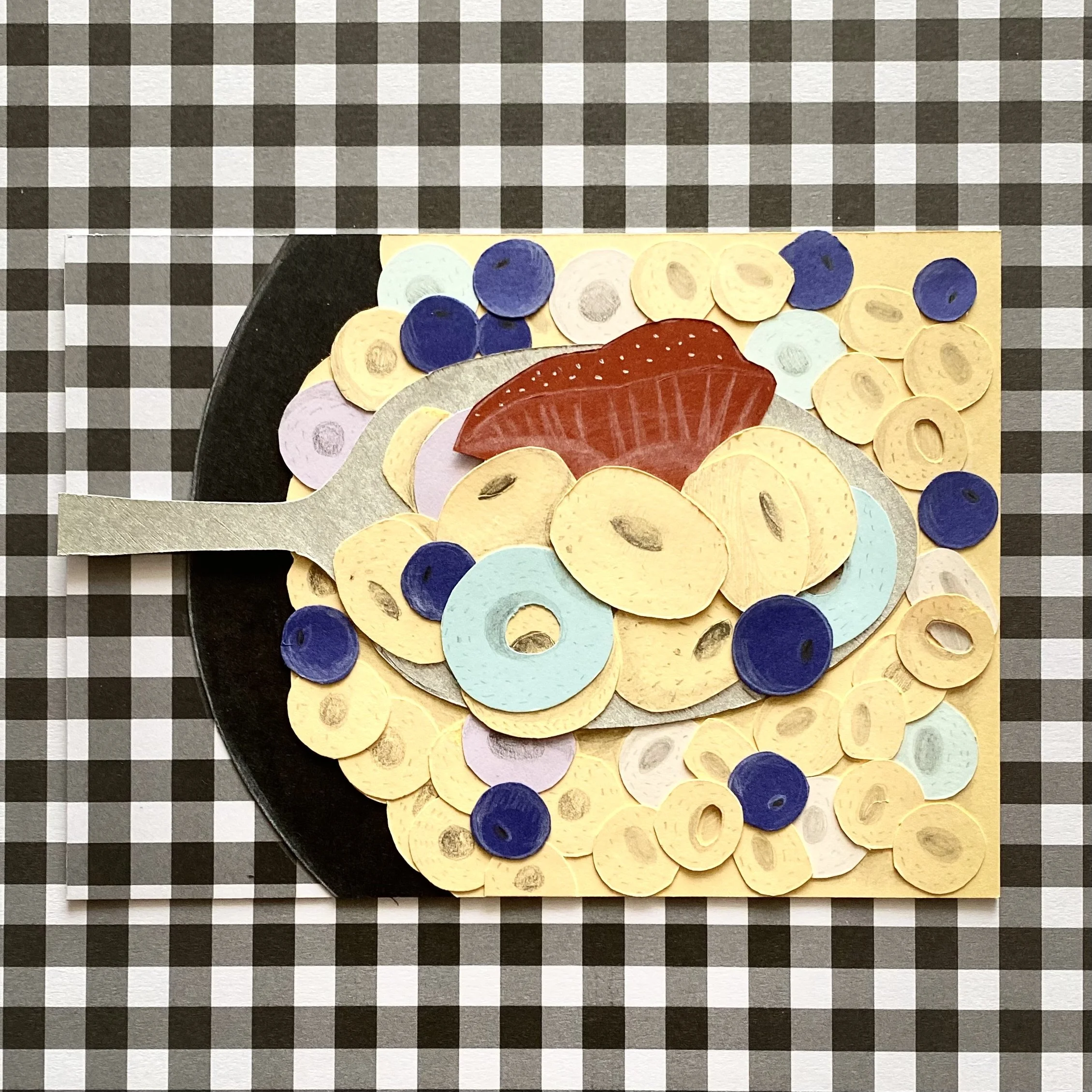
Cereal Matters by Admin

Cereal, a popular breakfast item, is celebrated today, March 7th.

When discussing breakfast cereal, we inevitably think about the puffy cheerios or crunchy flakes. In fact, many other grains also serve as breakfast cereals — for example, wheat, oats, rice, corn, barley, or rye.

In early American history, native American grounded and boiled cornmeal to become the “grits,” which is still popular in many southern states. In 1854, a German immigrant started the nation’s first commercial oatmeal manufacture production. Later in the 1890s, breakfast cereal consumption had a breakthrough. John Harvey Kellogg, an American businessman and physician, invented a lighter, flakier product, which is widely known as today’s breakfast cereal.

Undoubtedly, cereal is essential for every household’s kitchen, whether for children or adults. Statistics show Americans purchase 3.1 billion boxes of cereals with much more varieties than a hundred years ago, from sugary and refined flakes to less processed or whole grains.

While reading these fascinating histories about breakfast cereals, a WELL feature came to mind.

“Promoting the consumption of whole grains by increasing whole grain options can also help individuals increase their intake of dietary fiber.” — WELL N03 Refined Ingredients

On this momentous day, we design this card for cereal makers. Thanks to them for increasing whole grain selections and making healthy cereals available to all!
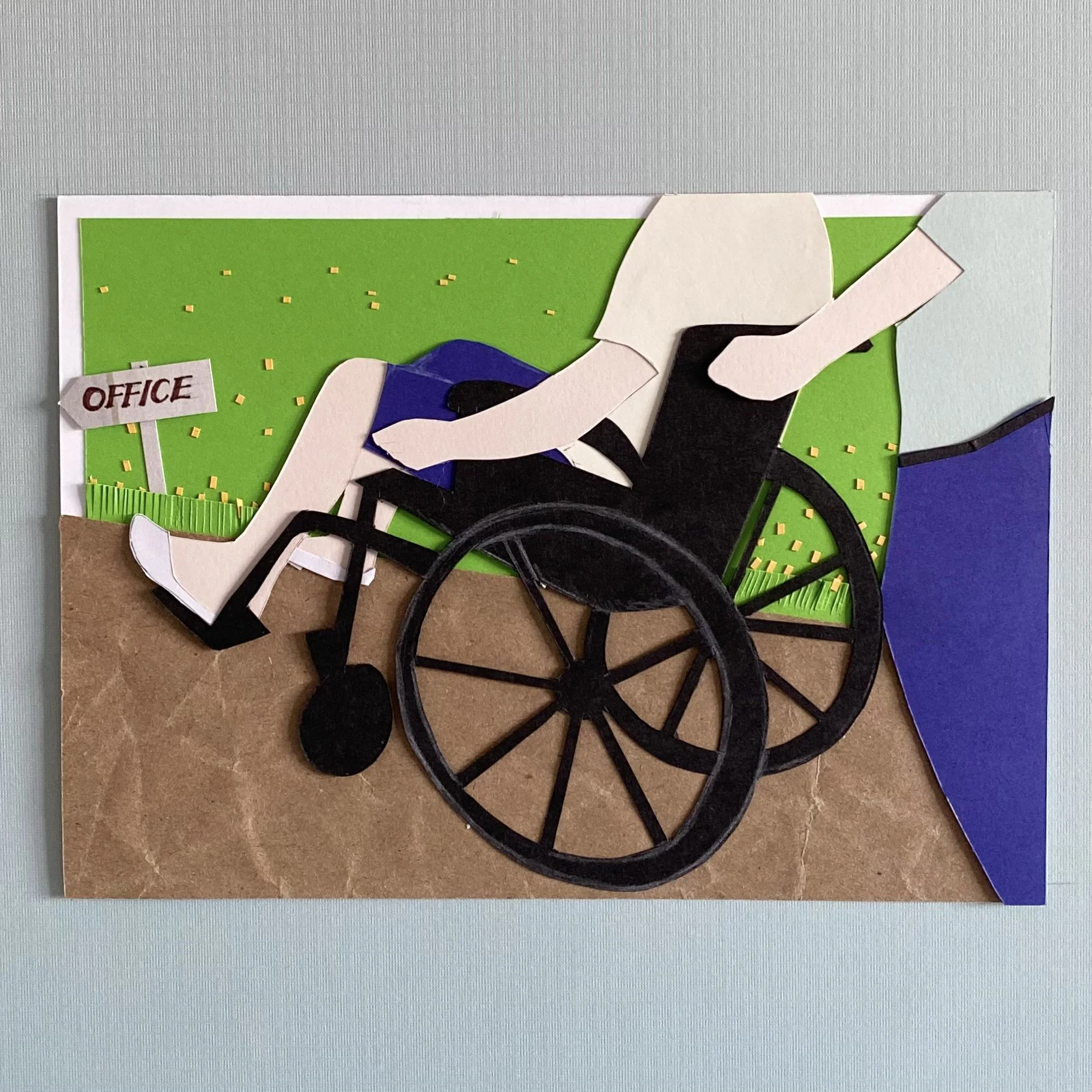

Employee Matters by Admin

The first Friday in March is Employee Appreciation day.

This day was made to honor and acknowledge those employees who tirelessly offer their professional skills and soul-reaching passion for the jobs they care about. Initially launched by Dr. Bob Nelson in 1995, this day was to celebrate his book “1,001 Ways to Reward Employees” and to remind managers of what constitutes a good business.

While many suggest pampering employees on their appreciation day by hiring a masseuse or manicurist, some suggest having a wellness coach come to the office to lower employee stress. We often forget that
many working individuals function as caregivers for their beloved ones and care for their families diligently on a daily basis. They have to take time off and adjust their work schedules to meet their loved one’s needs. An estimated 9% of workers left their job due to balancing their family responsibility and work obligations. Their absenteeism cost the industry billions of dollars in productivity.

While reading these astonishing statistics, it reminded us of a WELL feature.

“Flexible work arrangements can help retain and attract employees while improving employee productivity and engagement.” — WELL C10, Family Support.

On this momentous day, we design this card for employers. Thanks to them for striking on supporting families so their employees could be productive for both the family and the business.

Love of Peanut Butter Matters by Admin

March 1st is the National Peanut Butter Lover’s Day.

According to National Peanut Board, this spread was first invented by Marcellus Gilmore Edson from Canada in 1884. He was the first to patent peanut paste, a finished product from milling roasted peanuts between two heated surfaces.

And why do many people love peanut butter?

Astronaut Chris Hadfield once demonstrated how to make his favorite peanut butter sandwich in his “Space Kitchen.” He squirted peanut butter onto the specially packaged tortilla and squeezed some honey to make his “peanut butter honey sandwich in space.”

We looked at peanut butter’s nutrition content closely and realized that 100 grams contain 24 grams of protein and 654 mg of Potassium. No wonder peanut butter, the creamy, nutrition-rich, and easy-to-consume food, has been accepted by many working professionals. Peanuts and beans are also alternatives in many meatless meal recipes.

Watching peanut butter’s fascinating space recipe reminded us of a WELL feature.

“Nutrition education has been shown to be more effective when focused on changing specific behaviors rather than only increasing knowledge.” -WELL N07, Nutrition Education.

On this momentous day, we design this card for dieticians. Thanks to their nutrition education, so shoppers have wisdom to choose food, not just peanut butter.

Guitar Matters by Admin

The 11th of February is known as the National Guitar Day.

It’s not surprising to know this curvature string instrument has been played for over a thousand years. The word guitar was adopted from the Spanish word “guitarra,” which comes from the Andalusian Arabic. That language was spoken primarily from the 9th to the 17th century.

Besides the guitar’s extended history, their sound is also our faithful audio companion. From Gipsy King to John Mayer, we love this magic six-string instrument and often get emotional with their live performance.

When talking about live guitar performances, we inevitably think about “reverberation time.” A space with a modest reverberation time can often enhance the music performance. Suddenly, a WELL feature came to mind.

“ Projects that alter room geometry can change layouts and room dimensions to support optimal reverberation time as needed.” — WELL S04, Reverberation Time.

On this momentous day, we design this card for recording studio owners. Thanks to them for making quality albums, from knowing the equipments to understanding the spaces.

Sky Lantern Matters by Admin

Fliping through our old date book, “a lantern festival tha was held in the town center” was maked on February 12, 2025, which is January 15th in the lunar calendar. Due to nature of lunar calendar, the date of Lantern Festival is always fluctuated on Gregorian calendar.

Many activities are held during this occasion, such as eating sweet rice ball soup, guessing lantern riddle, or releasing “sky lanterns,” a viral event in many Asian nations. One well-known tale since the Qing dynasty was that villagers fled to the mountain due to bandits’ attacks. After the bandits left, villagers greeted the neighbor villagers to report safe by releasing these sky lanterns. Therefore, these lanterns are also called “Blessing Lanterns,” “Kongming Lanterns,” or “Peace Lanterns.”

From time to time, releasing sky lanterns has formed a unique custom and special bond within its local community. The entire releasing lantern process reminded us of a WELL feature.

“Additionally, incorporating other key aesthetic elements, such as local culture, materials and art can help celebrate the project’s unique identity and further enrich the space for occupants and visitors.” — WELL M02, Provide Connection to Place

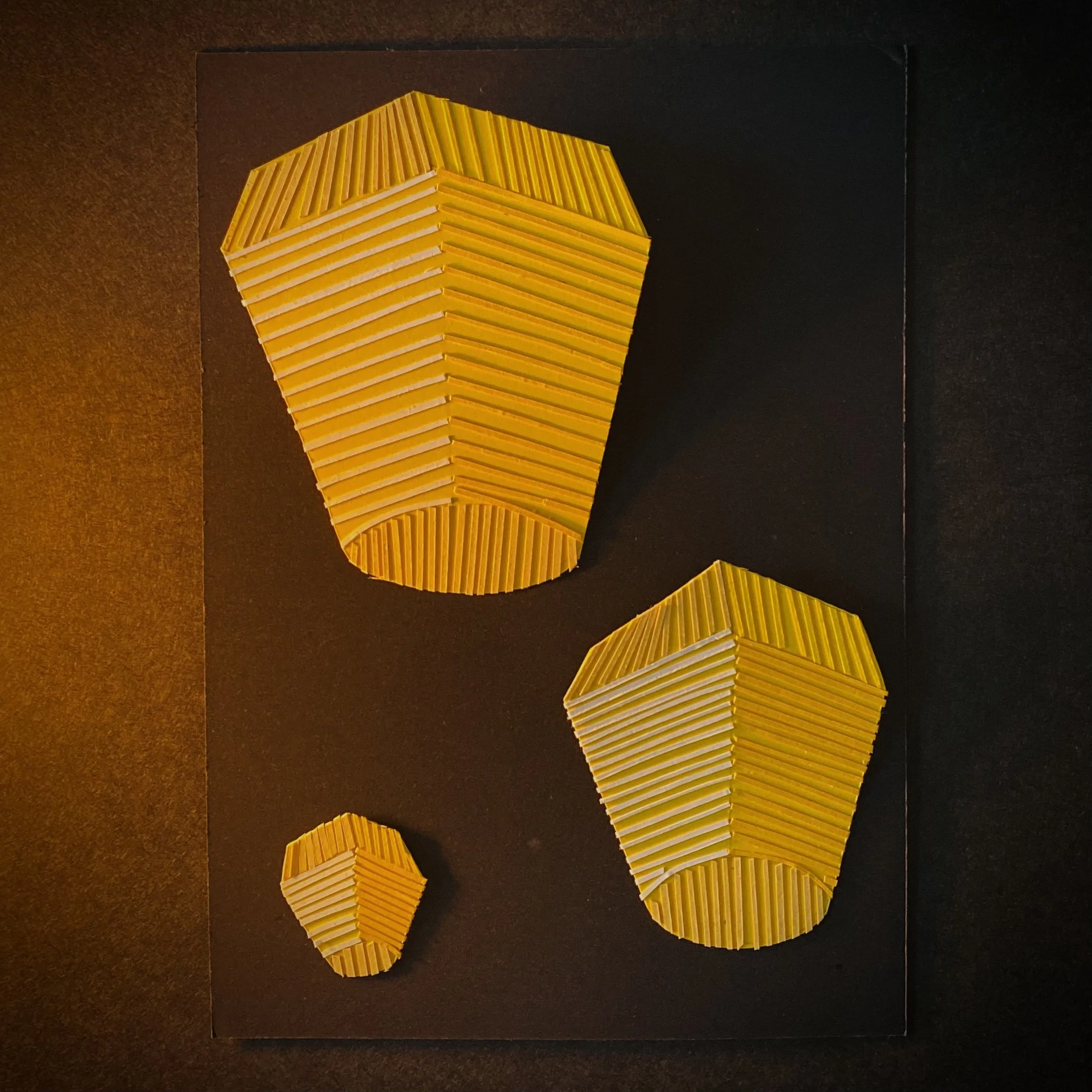
On this momentous day, we design this card for peace makers. Thanks to them for being part of the lantern culture.

Pizza Matters by Admin

Pizza, an American household staple food, is celebrated in February! A common belief that pizza originated in the Naples area began with basic flatbread with several toppings.

One popular flavor was “Pizza Margherita,” a flatbread topped with tomato sauce, mozzarella, and fresh basil. According to an Italian tale, the name “Margherita” was created because queen Margherita of Savoy favored that taste and the color combination: green as the basil leaves, white as the mozzarella, and red as tomatoes.

Moreover, modern science has told us that basil is rich in micro-nutrients such as Vitamin K, Zinc, and potassium. Mozzarella is a good source of protein, calcium, and phosphorus. Tomatoes have the primary dietary source of the antioxidant lycopene.

While reading these exciting nutrition facts and their associated health benefits online, a WELL feature came to mind.

“Clearly display nutrition information at point-of-decision on the packaging or adjacent signage, such as total calories per serving, micronutrient content, and total sugar content per serving.” -WELL N02, Nutritional Transparency.

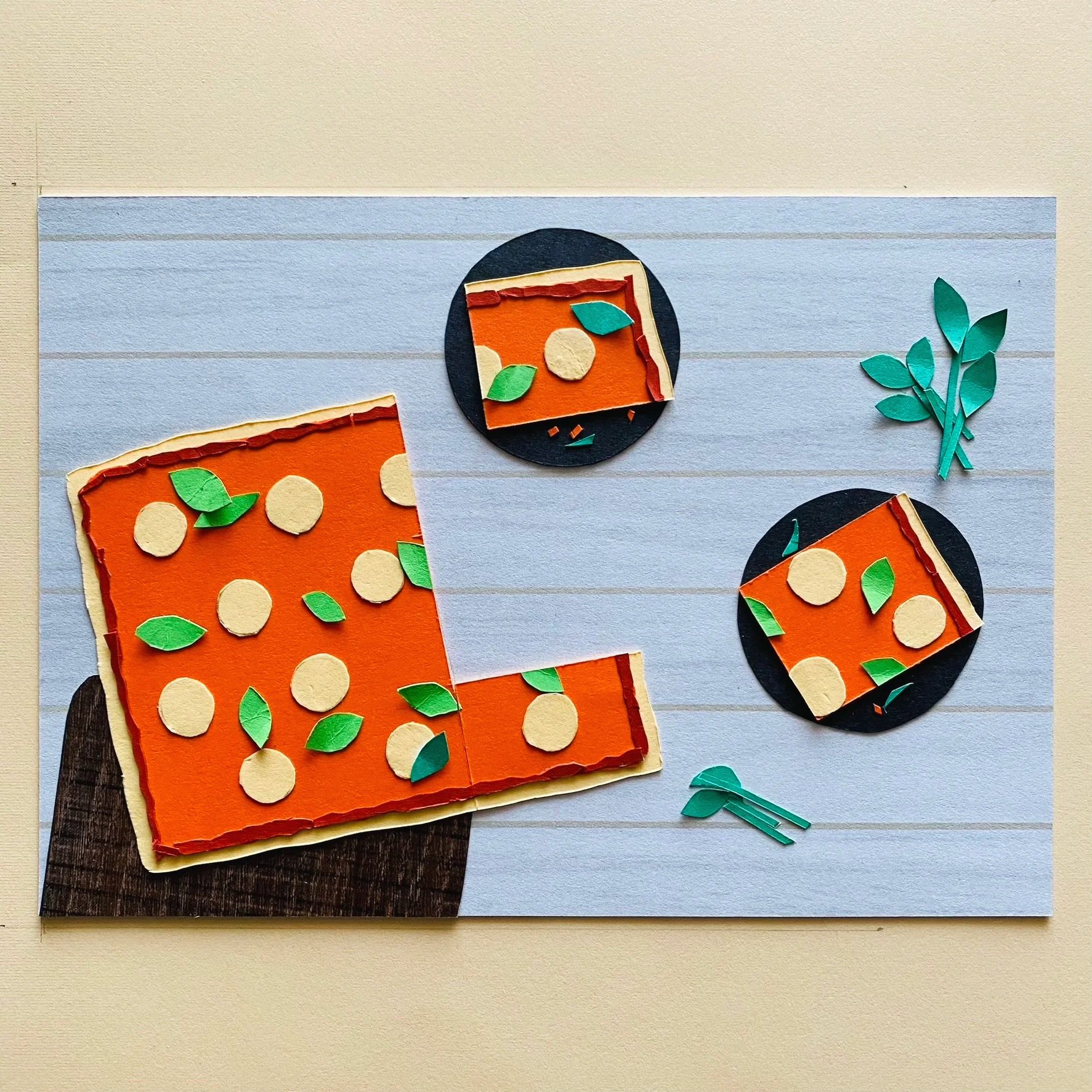
On this momentous day, we design this card for package designers: thanks to them for styling the package beautiful and educational.


An additional side note: If you are interested in searching the detailed nutrition facts, check out FoodData Central, powered by USDA.

Medjool Date Matters by Admin

The 4th of February is Medjool Date day. This day is marked by highlighting the health benefit of the Medjool dates. Medjool date was initially grown in the Morocco region. According to WebMD, the Medjool date is an excellent source of phytonutrients and higher in fiber, which can lower the risk of heart-related disease. It also contains 50% more potassium than bananas, preventing muscle weakness and fatigue. Moreover, its vitamin B value can help improve metabolism.

While reading these fascinating health benefits about this dark wrinkled, dry fruit, a WELL feature came to our minds:

“ Increasing the availability, visibility and access of fruits and vegetables can support fruit and vegetable consumption.” — WELL N01, Fruits and Vegetables

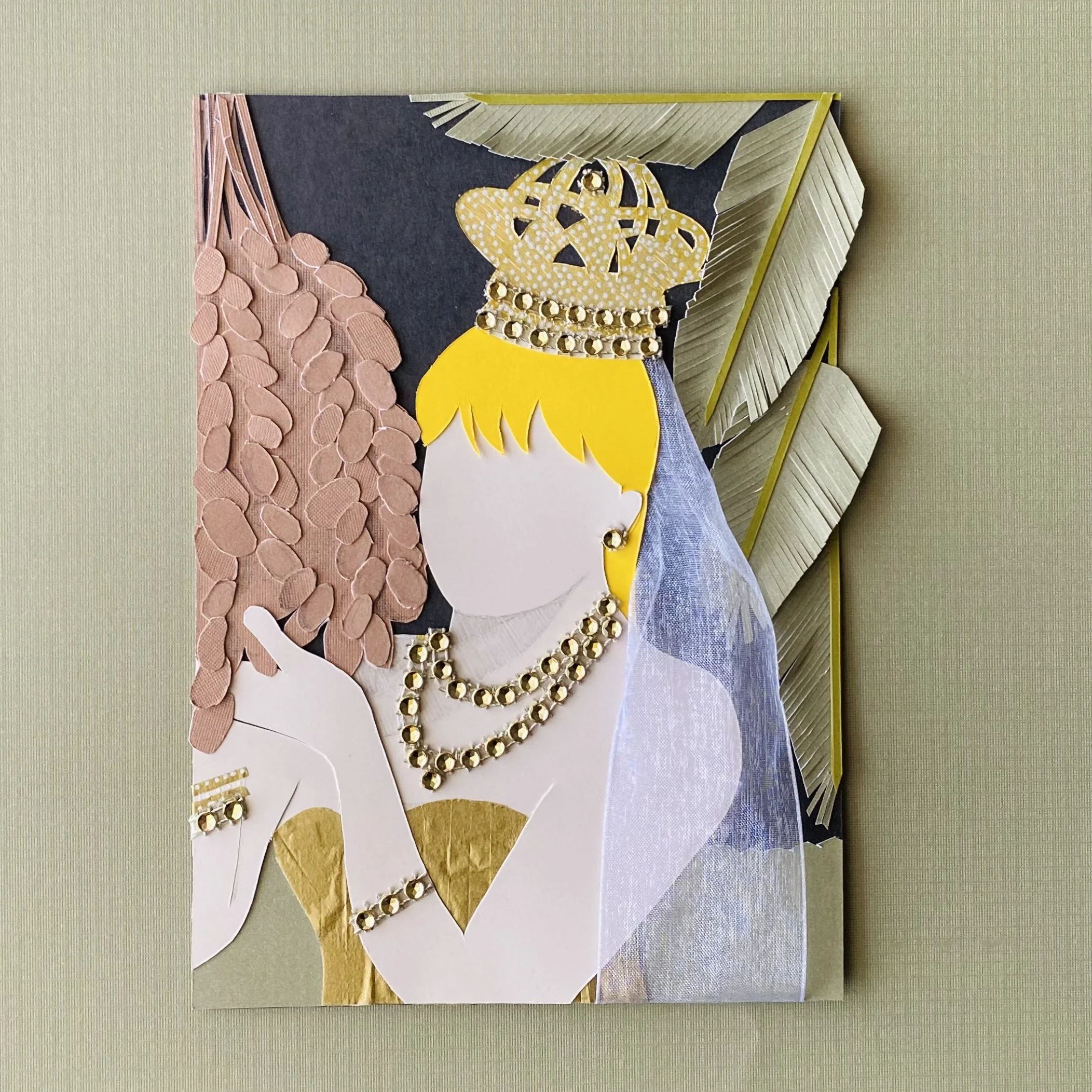
On this momentous day, we design this card for grocery owners: thanks to them for increasing fruits and vegetables available to all!

Carrot Cake Matters by Admin

The 3rd of February, is National Carrot Cake Day. Carrots, one of the high-fiber vegetables, are considered a perfect ingredient for making the cake due to their natural sweetness.

The carrot cake first appeared in Antoine Beauvilliers’ cookbook, published in 1824. In the 1960s, carrot cake became a popular dessert. One speculation is that a cooking series, “the French Chef” with Julia Child, premiered on Boston Public Television and drew immense popularity across America.

While reading these fascinating histories about this delicious carrot cake, a WELL feature came to mind.

“Limited intake of sugary foods can help individuals meet the WHO sugar recommendations and reduce their daily sugar intake.” — WELL N03, Refined ingredients.

Julia Child once had this famous quote “a party without cake is just a meeting.” There is no doubt that cakes makes our event more festive. On this momentous day, we design this card to cake bakers. Thanks to them for making parties loving and healthy!

School Play Matters by Admin

Today, the first Wednesday in February is “Global School Play Day.”

Many studies have shown that early childhood education, particularly the first five years of life, has a long-term impact on many adults’ lives afterward. Moreover, playing functions as an essential role in quality childhood education. For kids younger than preschool, an outdoor playing area that meets their cognitive development needs is even more critical.

According to Peter Grey, a Research Professor of Psychology at Boston College, “Play, by definition, is self-controlled and self-direct. It’s the self-directed aspect of playing that gives it its educative power.” Maria Montessori, an Italian physician and educator, also once said, “there must be provision for the child to have contact with nature; to understand and appreciate the order, the harmony and beauty in nature.”

While reflecting on their experienced wisdom, a WELL feature came to mind:

“incorporating natural elements into buildings can support relief from mental fatigue, as well as help establish a sense of place. “ — WELL, M02 Nature and Place.

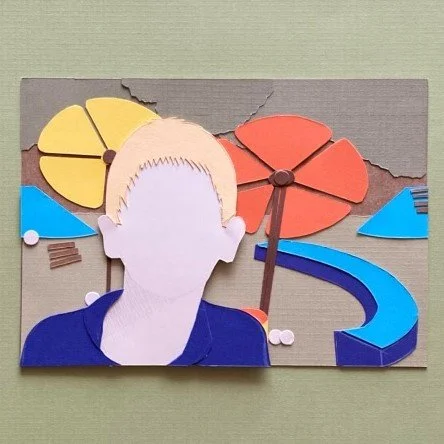
On this momentous day, we design this card for playground builders. Thanks to them for making playgrounds full of fun and vegetation.

Clothes Matters by Admin

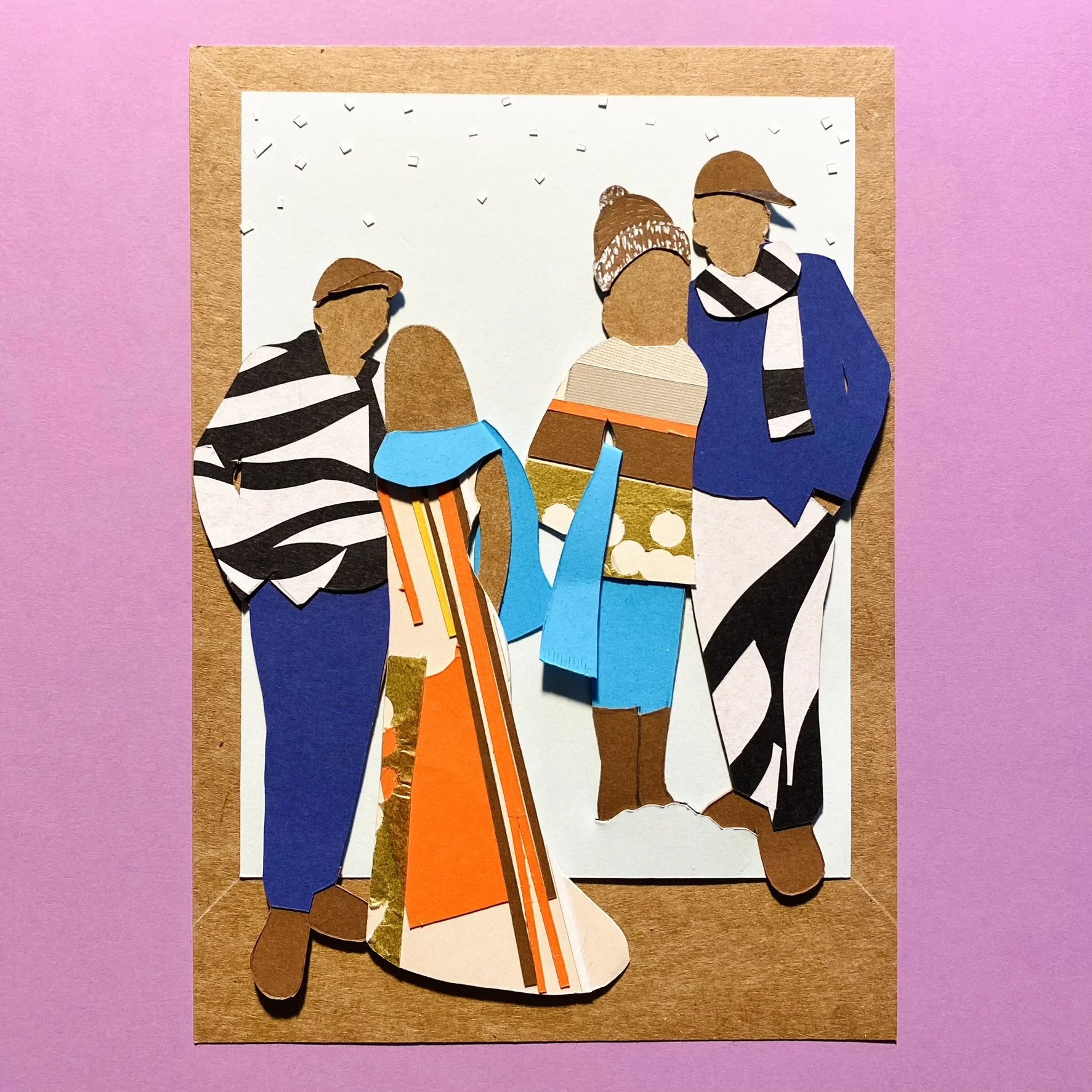
January 26th is Clashing Clothes Day. It is an atypical holiday celebrated on the fourth Thursday in January every year. On this bizarre yet fun day, people are encouraged to wear a clashing outfit without the fashion police flashing on their style.

This quirky celebration reminded me of a WELL feature:

“ … flexible dress codes are important, because clothing insulation is also one of the primary forms of intervention for addressing suboptimal thermal conditions.” — WELL T04, Individual Thermal Control.

Moreover, in ASHRAE 55, there are three primary methods to see how space and system are designed according to standard thermal comfort. One crucial way is to use “the occupant-controlled naturally conditioned space”. That implies an environment where occupants are nearly passive or in a sitting position and have the freedom to adapt their clothing to thermal conditions.

On this momentous day, we design this card for managers. Thanks to them for making the work environment fun and comfortable.


By the way, here are more details about WELL standards. There are ten concepts in the WELL standard: Air, Water, Nourishment, Light, Movement, Thermal Comfort, Sound, Materials, Mind, Community, and Innovation. These concepts are comprised of 110 features. Each feature includes various parts. All the parts within each feature must be completed to achieve the credit point. Four tiers of certification show the project’s accomplishment: Bronze, Silver, Gold, and Platinum. If you want to learn more about getting this professional credential, check IWBI’s webpage.

Florida Matters by Admin

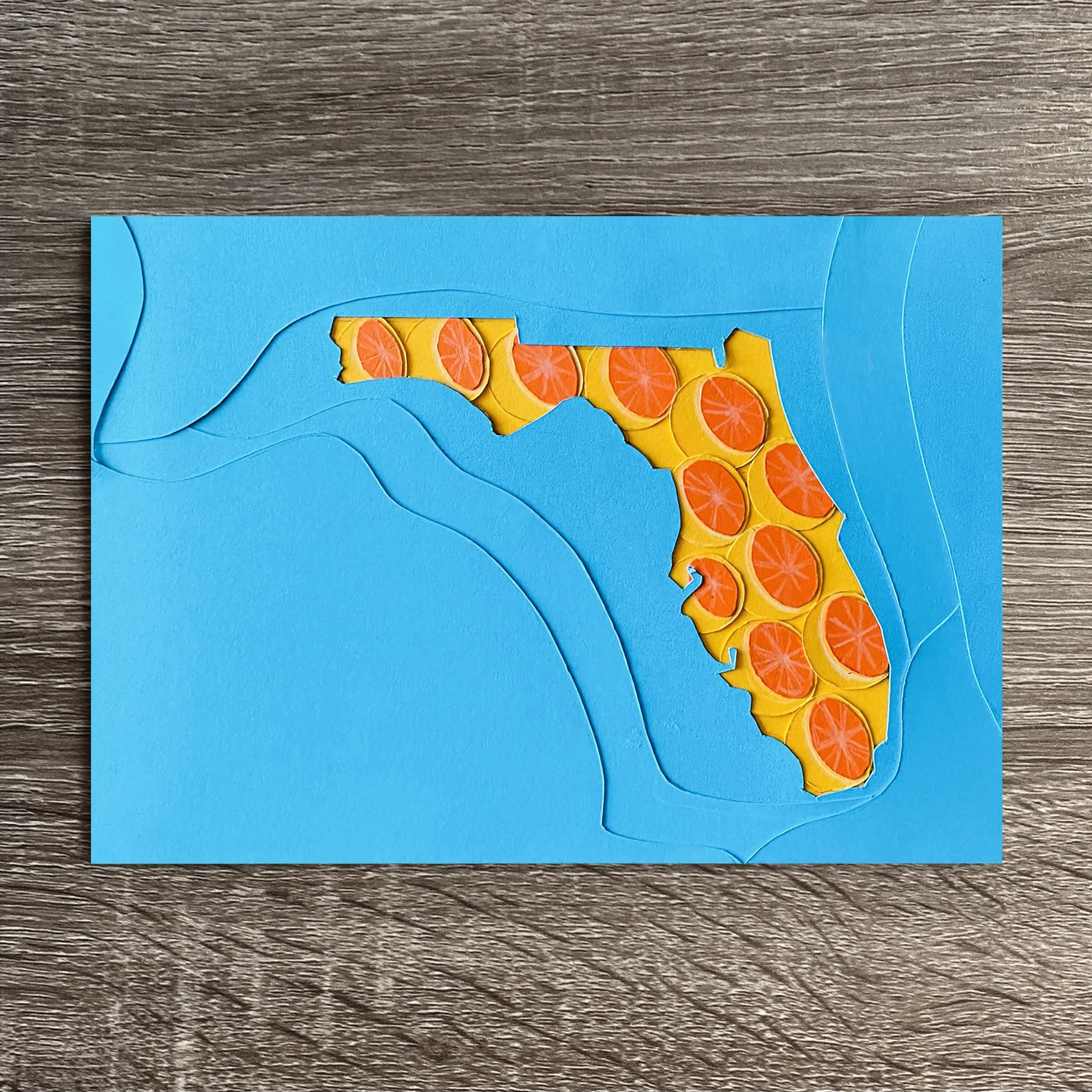
Before 1819, Florida was still under various authorities. Since then, the United States purchased Florida from Spain and made it part of the statehood in 1821. Because of its geographic location and abundance of sunny weather, Florida is known as the “Sunshine State.”

Lately, its geographic elevation and sea level have made it suffer from extreme weather, even the most among other states along the sunbelt. In the last decade, the speed of the rising Florida sea level has increased. The surrounding sea surface is raised by as much as one inch every three years. Scientists now forecast that in just the next 15 years, the sea level will have increased by another 6 inches.

In 2022, Ian, a large destructive category-four Atlantic hurricane, struck Florida hard, which made many people lose their properties and homes. The hurricane brought more than a foot of rainfall, making the increasing sea level a more imminent issue.

While we enjoy the at-season fresh fruits from Florida, we cannot stop thinking about a sustainable design principle:

“… protect floodplain function by limiting new development within the 100-year floodplain of all types of waterways and watercourses.” — SITES 1.2-Protect Flood Plain Function

How can we determine which area is within the 100-year floodplain? You might ask. We use FEMA Flood Insurance Rate Map. These areas are generally depicted as zone A, AE, A1-A30, AH, AD, AR, A99, V, and VE.
Floodplains function to store and derive water from extreme weather events. Many risks can be avoided by building within the regulated distance from the floodplain. This principle reduces the risk impact on the properties and leads to more recreational opportunities.

On this momentous day, we design this card for professionals working at FEMA. Thanks to their dedication to improving the entire nation to prepare for and mitigate all hazards. Because of them, the infrastructure and facility are well-equipped when natural hazard arrives.

— — — — — — — — — — — — — — — — — — — — — — — — — — — — — — — -

By the way, according to recent NOAA’s ENSO advisory, El Niño conditions are current (at June 2023) and are expected to continue developing into winter 2023–24. When El Niño is stronger, the sea surface temperature is warmer than average. That will result in wetter in the southern tier of the United States (including Florida) and drier conditions over parts of the Pacific Northwest, Northern US, and Canada.

Pharmacist Matters by Admin

January 12th is National Pharmacist Day.

This day is dedicated to our hard-working pharmacists and honors their impact on our health and well-being. From the annual flu season to the unprecedented pandemic, pharmacists always work relentlessly behind the counter to give us reliable and professional healthcare.

The pharmacy is always considered a crucial community-serving retail in a typical neighborhood. Pharmacists work there on foot most of the time. They’ve set a good precedence for people like us who are used to sitting positions during work hours. Their work style reminded us of the WELL concept feature: Active Furnishings.

According to research, sedentary behaviors have been associated with various unfavorable health effects, such as obesity, type 2 diabetes, cardiovascular risks, etc. Hence, the feature intends to encourage physical activities and posture breaks and discourage prolonged sedentary behavior.

“Active workstations are effective at decreasing time spent sitting, thereby increasing energy expenditure.” — WELL v07 Active Furnishings.

One way to make active furnishing feasible is to make at least 50% of workstations “Active Workstations.” For example, place step machines, bicycles, or treadmills under the desks so workers can move gently during repetitive tasks. The strategy will encourage long-term behavior change and inspire a more active lifestyle at work.

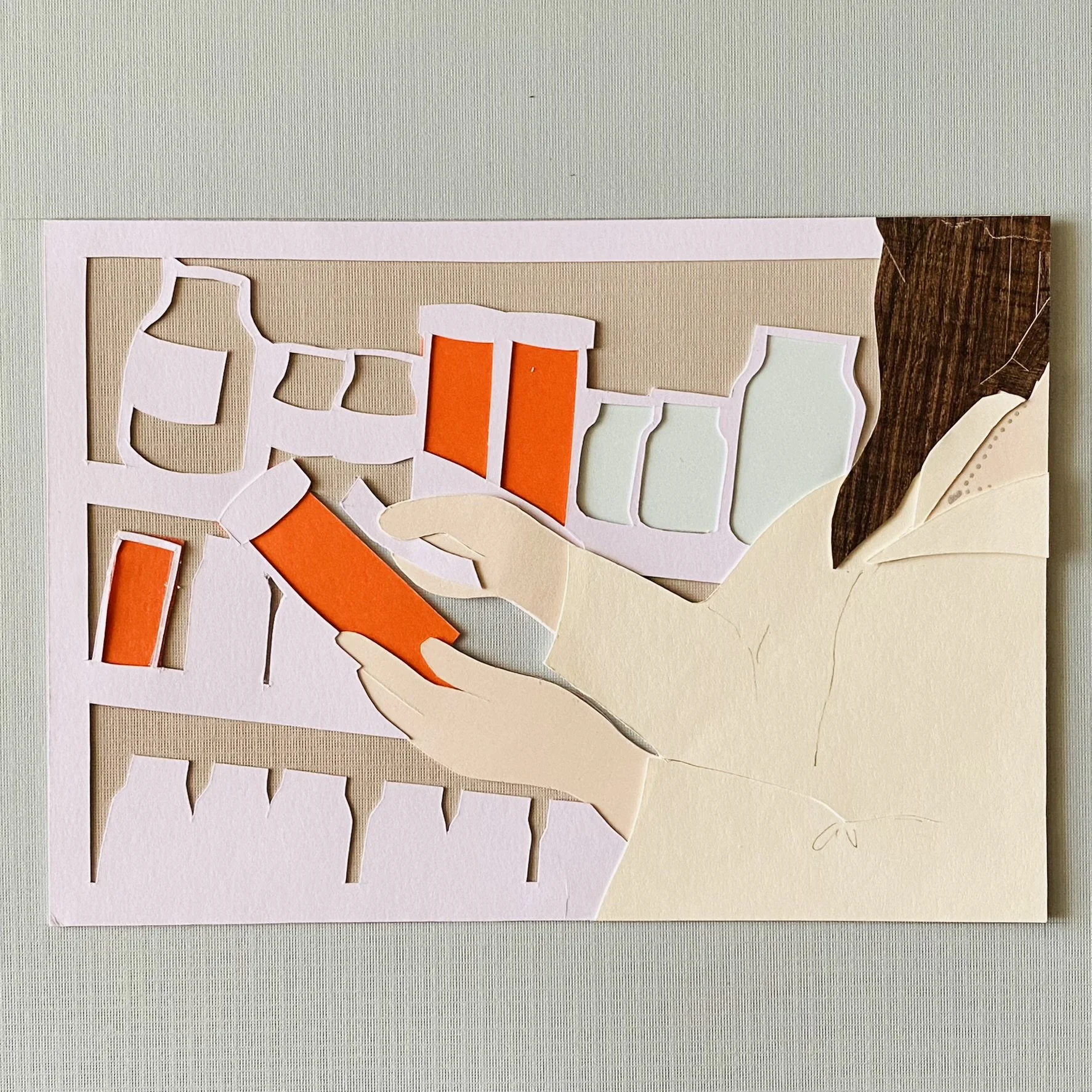
On this momentous day, we design this card for interior designers. Thanks to them for being thoughtful and considering for pharmasists’ well-beings.


Wait, there is more about the Pharmacist

Many of us have standing desks and pedal bikes under the desk, so this WELL feature may not appeal to you. However, you probably are familiar with the TV show “Sex and the City.” Carrie Bradshaw and her girlfriends’ best conversations happened in this famous brunch place on 18 Greenwich Ave in New York City. If we turned the clock 100 years earlier, that conversation might have occurred at 215 Main Street in Smithfield, VA.

Why is it at that location, you might be wondering. It all started when soda was invented by a pharmacist…

The sketch shows where Simpson’s Ideal Pharmacy located.

Soda and Girl's talk

A Brooklyn-born pharmacist, Charles Alderton, formulated a popular carbonated soft drink: Dr. Pepper, while working in a corner drug store in Waco, Texas. Interestingly, a few years after his invention, the soda fountain became an integral apparatus in most drugstores.

In the mid-1900s, young ladies, men, and even merchants gathered at the soda bar in the drugstores. During the First World War, many young women began going to work in the office for the first time in downtown Smithfield. And it soon became the custom for those working girls to take a break at eleven o’clock and head for a drink at the Ideal Pharmacy, their local drugstore.

This image shows the area comparison of Simpson’s drug store with nowadays stand-alone pharmacy.

According to this book, A Pictorial History of Smithfield, the place offered “ornate marble and mirrored soda fountain that dispensed syrups in every known flavor, including claret, for sodas and ice, and each provided ice cream parlor tables, chairs and counter stools of wood and twisted metal.” The beauty of these soda fountains was described as elaborated as a dancing girl. While we modernized our drug store and removed the sleek soda fountain and the bar stool, the old “Drug store crowd” went alongside them….

A guesswork on what interior plan might look like inside the Simpson’s drugstore.


By the way, almost every drugstore had a soda fountain by the early 1920’s. Due to the prohibition established in 1919, bars were closed, yet people still needed a place to socialize. At the time, “ice cream parlors were usually stand-alone businesses and did not include any part of a soda fountain”. Thus, Ideal Pharmacy run by the Simpsons family, continued as the gathering place for thirty-odd years until another wave of modernization in the 1950s caught up with them.

(“ice cream parlors were usually standalone businesses and did not include any part of a soda fountain”. source: Pharmacy time)


Choreography Matters by Admin

January 9th is the International Choreography Day.

It is the day to celebrate the mastermind of dance and beautiful body movement.

The word choreography, rooted in Greek, literally means “dance-writing”. Like writing a story, authors skillfully arrange the paragraphs and dialogue to compose a scenario. Choreographers design a sequence of steps and body movements that form a storytelling environment.

The early 20th century was when many cultural activities flourished. In 1909, Serg Diaghilev created the world’s first and most exciting dance company in Paris. He revolutionized the art form by working with the avant-garde elite at the time. Composers such as Stravinsky and Debussy and artists including Picasso and Matisse collaborated on his dance performance. Other than the classical ballet, the musical “On Your Toes,” later adapted into a film in 1939, first used a “choreographer” in the production credit. Not even mention Martha Graham’s dance company, which she founded in 1926 to experiment endlessly with the basic human movement.

Reading the dance performance history reminded us of a WELL feature.

“Facilitate all types of movement, including physical activity and exercise and reduce sendentary behavior through intentional design of built spaces.”— V01 Active buildings and communities

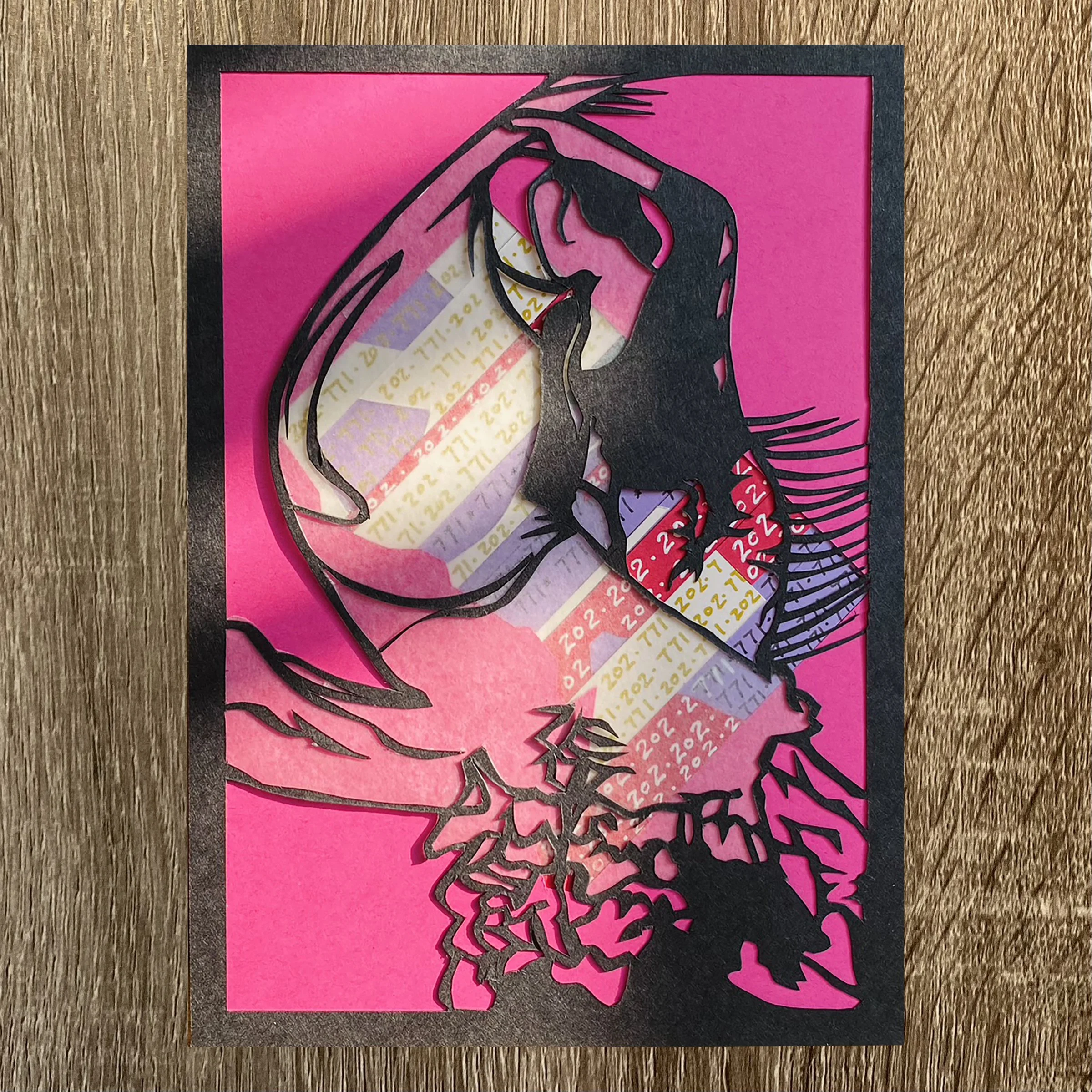
On this day, we design this card for interior designers. Thanks to their creativity so occupants can enjoy many active spaces and maintain a healthy life.


While we are fascinated by the dancers’ perfection and the choreographers’ emotional staging, we inevitably think about their practice venue and its performance surface.

Martha Graham began developing her most influential movements of contraction and releasing in a tiny Carnegie Hall Studio in midtown Manhattan. According to Wikipedia, Martha started teaching in her studio at 66 Fifth Avenue near 13th Street and the Neighborhood Playhouse at 340 East 54 Street. With the support from individual patrons, Martha Graham’s dance company finally made its home on 316 East 63rd Street.

Though Martha’s original studio and the playhouse no longer exist. We could tell they were the typical Manhatten row houses from the historical photos. These row houses were wood-framed dwellings with load-bearing brick walls. The floors were most likely tongue and groove milling, and the stairs connecting each floor were also hollow staircases, which often generated a lot of noise when wearing heels. Whether dancers practice Ballet Russe’s classical, the Browdway show’s tap dance, or Martha’s significant floor work. The performance surface plays a vital role in a dense urban setting.

A dense vinyl floor might be enough for the solution when a row house in New York only hosts a single use, such as Marth’s dance school. However, building owners nowadays often encounter the situation of maintaining multiple functions in one building, and the project Square Fifty would be a modern example.

Situated at the corner parcel of 23rd and M Street, northwest DC, Square Fifty is a mixed-use building that houses three entirely different uses:

  • The fire station on the street level

  • The squash court in the middle session

  • An apartment complex on the upper floors


Square 50, a mixed-use project at the west end of Washington, DC.


Although the squash courts provided a convenient onsite physical activity space, they challenged onsite users and neighbors. The squash court is located directly above the second floor of the fire station, where the fireman’s sleeping units are located. The pounding and impact vibration of the sports activities become the noise source for the fire station’s sleeping units below and the embassy next door. The designers creatively arranged two main squash on the east side towards further north to be away from the main office area at the neighboring building. They also maintained at least a one-foot gap from the partition wall to avoid potential structure-borne sound. Moreover, the squash club uses a double concrete slab system with a sound insulation layer to prevent sound transmission and keep both parts of the building functioning.

“Form follows function” or “Function follows form” is always a critical discussion during our academic studies. This endless argument can also be found in “Site for the program” or “Programs for the site.” While not all dancers and dance companies are fortunate to have a location similar to the Edgewood Arts Center for their practices, creatively placing whatever resources we have would be the answer for this ever-changing urban environment.


Edgewood Art Center is adjacent to the rail track and on the metro stop of Brookland-CUA


By the way, if you are interested in seeing more photos about this Square 50 project, it is published in Architecture DC magazine (Fall, 2018). You can also check out TEN Arquitectos’ website and under the “Habitacional” category

Bird Matters by Admin

January 5th is the National Bird Day.

Birds have always held a place of fascination in our minds. That could be why someone initiated the National Bird Day to draw awareness of these creatures that play a sustainable role in our natural landscape.

Due to increasing globalization, we gradually live in an environment that gives insufficient exposure to nature. Studies have also found that natural elements have been linked with human well-being, such as decreasing depression, reducing anxiety, enhancing concentration, expanding pain tolerance, and increasing overall emotional satisfaction. The natural elements mentioned above include not only plants and animals but also lighting and aesthetic designs.

Moreover, when picking a place for bird watching, we inevitably think about an aviary. The aviary allows birds a larger living space to fly and rest on a higher ground. The size and scale of an aviary vary greatly. The larger ones are often located in a zoological setting. For example, the Edward Youde Aviary in Hong Kong and the Birds of Eden in the Western Cape belong to the large-scale category. The aviary in a more intimate setting is like the Hamilton Aviary in Ontario. The home aviary, also known as bird rooms, has recently become more popular. Some bird rooms are within a single-family house and share part of the homeowner’s living space.

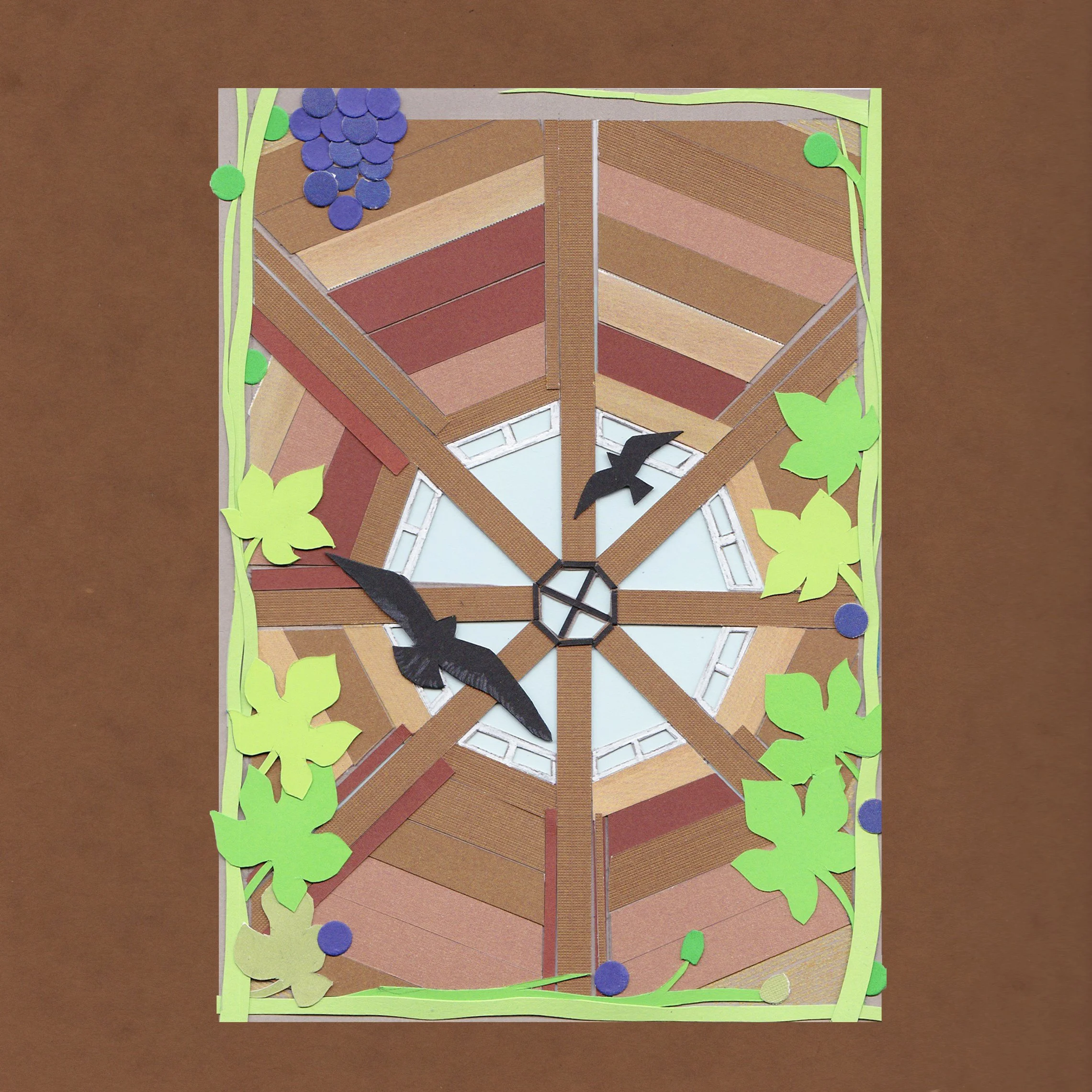
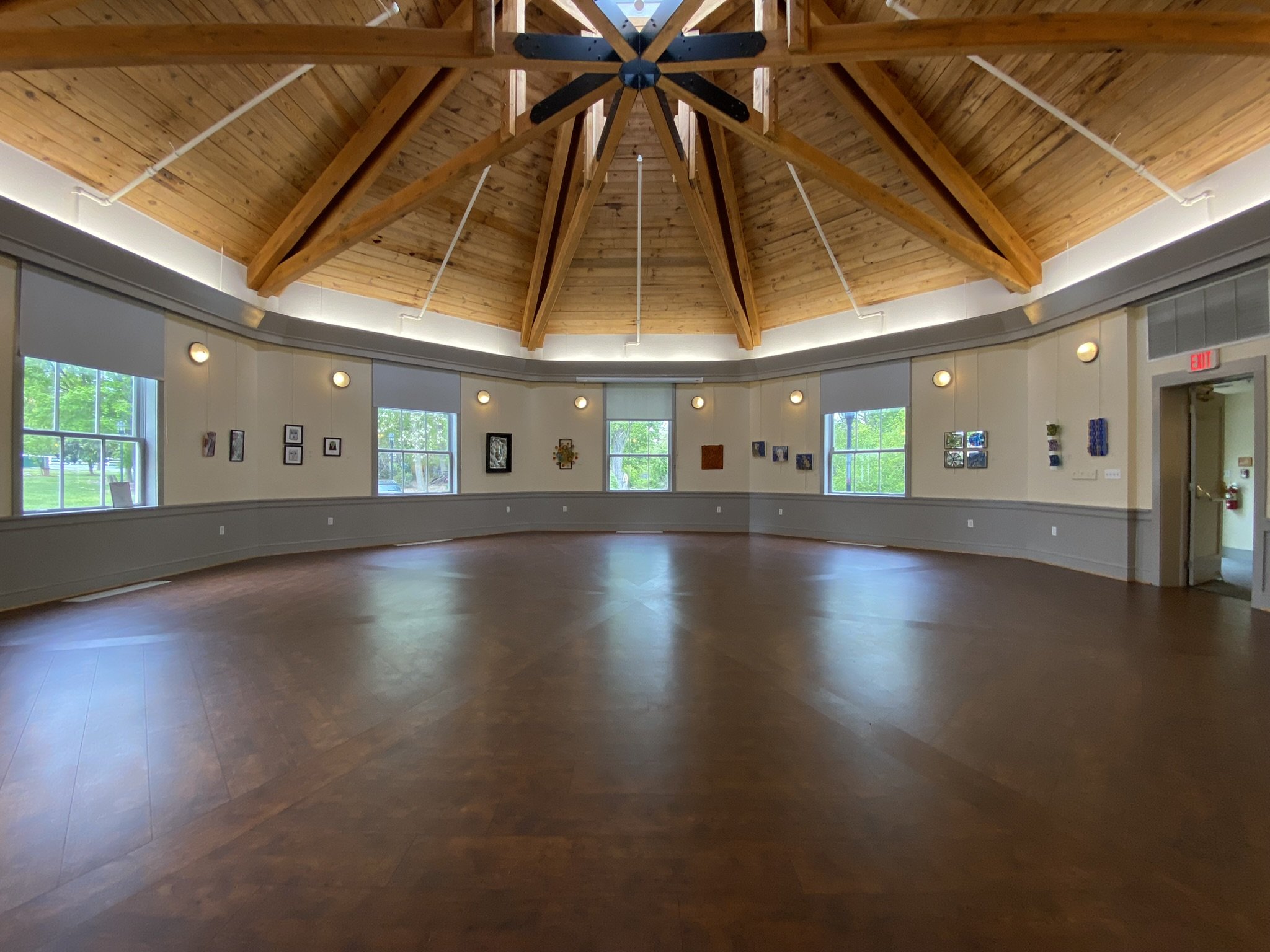
The Dr. Bird room inside the Sandy Spring Museum, Maryland, reminded us of a French military birdhouse designed by a French Artist in 1889. Even this Dr. Bird room is named after the physician Jacob W Bird, who began his medical practice in 1909 in Sandy Springs. The octagonal-shaped room with Oak Trusses gives visitors the impression of being in a giant closed garden pavilion that could be an aviary. The space feels light and airy with the five large windows at the parameter and the cupola windows at the top. Its high ceiling and column-free area seem large enough for pet birds to fly around.

Historically, a famous Bird Room (fugleværelset) has also been inside the Royal Palace of Oslo. The Royal Palace was initially built for the King Carl Johan in 1825. Its bird room, completed in 1843, was designed by the artist Johannes Flintoe, who is known for his landscape scenes found in Romantic Nationalism. This picturesque room covers the rich variety of life in the garden- forty-three birds and six butterflies, plus a white-tailed eagle hovering on the ceiling.

While fascinating with the spacious Dr. Bird Room and Johannes Flintoe’s fresco panel from the bird room, a WELL feature came to mind.

“Incorporating natural elements into buildings can support occupant relief from stress and mental fatigue, as well as help establish a sense of place.” — WELL M02, Provide Connection to Nature

On this day, we want to design this card for those connect their places to nature. Thanks to their creativities, so the occupants and enjoy a stress-free environment.


Handwashing Matters by Admin

Many of the diseases begin with physical contact.

These contact diseases are transmitted when an infected person has direct physical contact with an uninfected person, and the microbe is passed from one to another. Contact diseases can also be spread indirectly when a healthy person touches an infected person’s items or environment.

We use our hands for most of our daily activities; thus, hand washing is one helpful precaution to create a barrier and eliminate bacteria from spreading in the environment or personal belongings.

According to the CDC (Centers for Disease Control or Prevention), studies have also shown that educating handwashing in the communities can reach the following results, such as:

  • Reduce the number of people who get sick with diarrhea by 23–40%

  • reduce the number of school days missing due to gastrointestinal by 29–57%

  • reduce diarrheal illness in a person with a weakened immune system by 58%

  • reduce respiratory-related disease in the general population, such as cold or flue by 16–21%

Moreover, the CDC provided five easy steps to clean our hands thoroughly:

  1. Wet hands with clean water

  2. Lather hands by rubbing them with soap

  3. Scrub hand by at least 20 seconds

  4. Rinse hands with clean water

  5. Dry hands using a clean towel or air dry.

We have been washing our hands since childhood, and it feels like a habitual routine rather than a profound “tactic” for disease prevention. Simultaniously, reading CDC’s studies and handwashing guideline remind us of a WELL feature.

“Implement strategies to reduce human contact with respiratory particles and surfaces that may carry pathogens.” — WELL X12, β Contact Reduction

At Handwashing Awareness Week, we want to design this card for bathroom fixture designers. Thanks to their creativities so everyone could use the public bathroom without worrying.


According to WELL guidelines, a hands-free operation must be implemented in at least three of the following areas: the pedestrian entry door, the elevators, the bottle filler/ water fountain, window blinds, interior light switches, or the trashcan lid.

Dress a Tree Matters by Admin

The first week of December comes to celebrate Tree Dressing Day. It is commonly reported that Tree Dressing Day was initiated by Common Ground, an environmental charity organization based in Dorset, England.
Since 1990, Tree Dressing Day has become much more than a plant-loving expression. It is the day for the communities to celebrate the significance of trees in their unique culture and history.

Tanzaku and Trees

Besides the most common decorating of Christmas trees, many communities have expressed their culture and spiritual significance by “dressing up” trees. Japan’s Star Festival (“Tanabata”), for example, is equivalent to “Valentine’s Day throughout many Westernized countries. People write a wish on a color-trip paper (“Tanzaku”) and hang it on a tree or bamboo.

Clootie Trees

“Clootie” in Scottish means cloth or rag. In old Celtic culture, many pilgrimages would go to Clootie Well during Saints’ feast days. It is a holy well or a spring, always with a tree growing beside it. People dip clothes in the sacred well and tie them to trees as part of a healing ritual. The trees next to the well are called clootie trees or rag bushes.

Red Ribbon and Wishing Trees

Red is Chinese people’s favorite. Red symbolizes luck, joy, and happiness. The red string also represents good fortune and auspiciousness. Many people tie a red string or ribbon on the tree during the lunar new year to wish good luck and prosperity.

Colorful Ribbons and Bohdi Trees

Buddhists also have a tradition of tying the ribbons around the Bodhi tree in homage to Buddha. When people tie the colorful string onto trees, it means calling the power of nature to protect loved ones.

Yarn Bombing and Trees

“Yarn Bombing” is another way to dress up trees in many parts of Europe and northern America. The practice is believed to be associated with the Knit Graffiti movement, which started in 2005 in Texas. Their graffiti is known for wrapping public objects- from lampposts, parking meters, telephone poles, or signage with crocheted materials. Nowadays, artists continue using knitted yarn or fiber to “paint” the tree trunk as their artful expression.

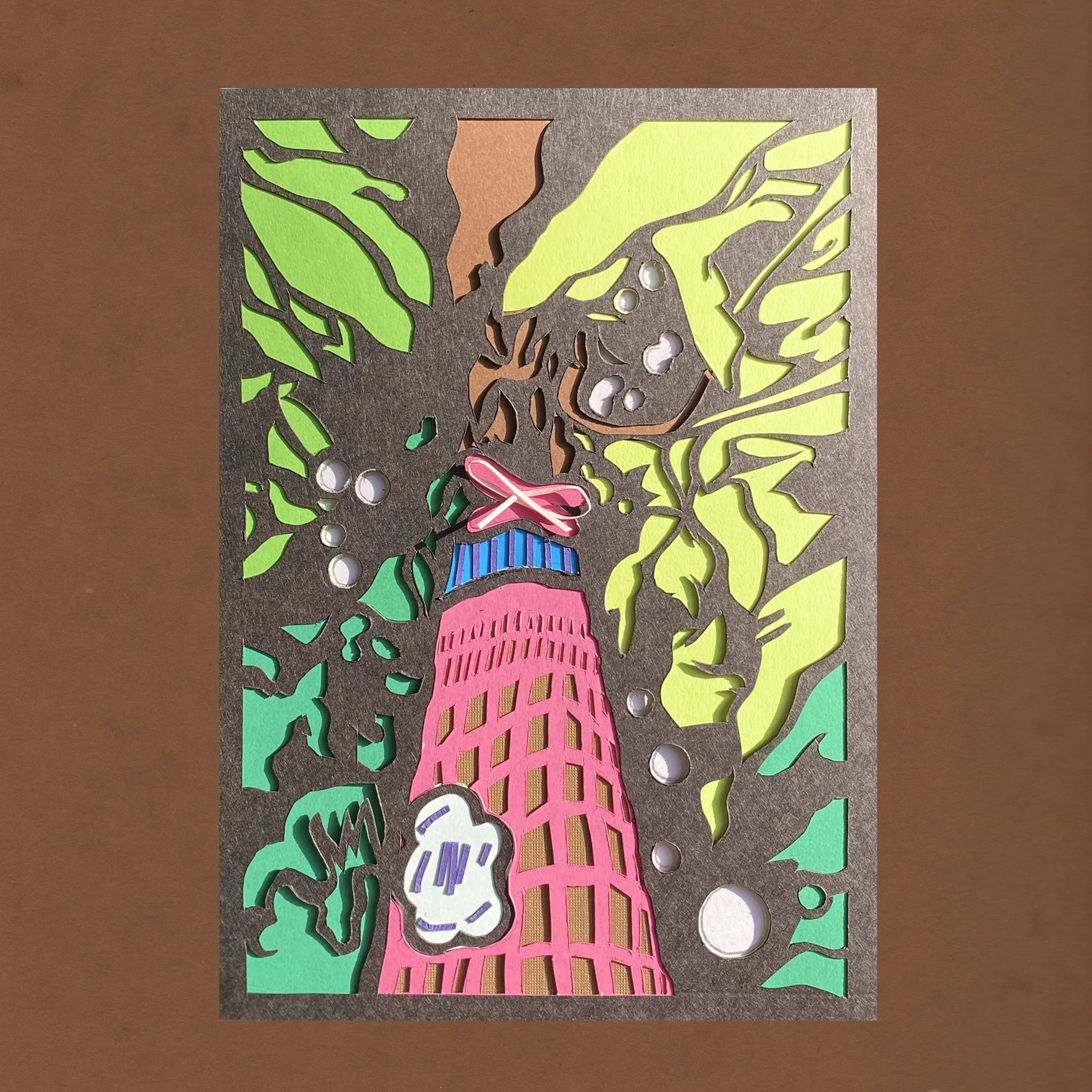
“Support occupant well-being by incorporating the natural environment throughout the project and integrating design strategies that celebrate the project’s unique identity. “ — WELL, M02, nature and Place

On this beautiful day, we want to design this card for building designers, thanks to their creativity to orient the building fenestrations and connect occupants to nature and culture. So everyone can have a view to enjoy, even as beautiful as this Tree-dressing garden.


When talking about the connection to nature and places, we inevitably think about classic chinese garden (yuanlin) design. Here is an example of pavillion, an critical landscape/building element as a overlook booth within this nature and cultural context.


Hug Matters by Admin

Hugs, like handshakes, high-five, or kisses, are one of our body languages to show love, support, and affection. Besides hugs’ physical and emotional comfort, they also give us many health benefits.

Hugs reduce stress and anxiety

The Institute of Cognitive Neuroscience at Ruhr University in Germany gathered 38 pairs of romantic partners with an average age of 22.3 years old in an experiment. They measured participants’ cortisol levels, blood pressure, and PANAS (positive and negative affect schedule) before and after the stressful events. They concluded that women who physically embraced their partners before the designed stress event showed reduced cortisol compared to a controlled group in which no hugs occurred before the stress event.

The other study by the Department of Psychology at the University of California gathered 20 heterosexual couples, gave them “stress” (unpleasant electric shocks) events, and measured their brain activity. These scientists found that women’s brains showed reduced stress when holding their partner’s arms while their partners received the “stress.” This implication demonstrated that providing physical support is also beneficial for stress-reducing effects.

Hugs protect from illness and improve health

A study conducted by a group from the Department of Psychology at Carnegie Mellon University found that hugs provide stress-buffering support against infectious disease situations. They used a sample of 400 adults and measured their stress reaction to disease-infectious situations. Their data suggested that participants who received more frequent hugs predicted less severe illness signs.

Another study by the Department of Psychiatry at the University of North Carolina at Chapel Hill found that warm physical contact from a cohabitating couple is related to lower cardiovascular reactivity. Prior to the stress event, the “warm contact” group underwent a 10-minute handholding period while viewing a romantic video, followed by a 20-second hug with their partner. The control group only rested quietly for 10 minutes and 20 seconds. Their finding suggested that affectionate and warm physical touch contributed to lower reactivity to stress and better cardiovascular health.

Reading all the scientific findings associated with hugs made us wonder if our soulmates’ magic touch could be incorporated into a restorative space described in one of WELL’s features.

“Support access to space that promotes restoration and relief from mental fatigue or stress.” — WELL M07, Restorative Spaces.

On Let’s Hug Day, we want to design this card for workplace designers, thanks to their creativity and understanding of human well-beings, so everyone can have a restorative spaces when they need to take a break.


By the way, according to this WELL standard, the therapeutic space has to meet the following requirements:

  • Space could be indoor or outdoors.

  • Space may serve multiple functions but not used for work.

  • Minimum size of 75 square feer plus one square foot per occupant, and no more than 2000 square feet.

  • provide calming and comfortable environment with features such as adjustable lighting, sound interventions, thermal control, natural elements, subdued colors, textures or forms, and visual privacy.


Family Story Matters by Hepburn

November is a month full of holidays for families to get together. That may be why people proposed this family stories month in November.

Research has shown that parents sharing more family stories with their children benefits the family in many ways, which includes the interaction children have with their parents or grandparents. The activities children share with their guardian family can help them grow into a teen who feels more connected to people. Those activities are not limited to story-telling but other activities together, such as cooking or crafts-making.

However, the family structure in the United States has evolved. That makes me wonder if the family story needs to be retold by more than one ancestry. We have been taught that technology has changed our family structure. The average family size declined from 9 persons (with seven children during the1800s before the peak of the Industrial Revolution) to 5.5 persons (with 3.5 childrens in 1900s). After the progressive era, the household size decreased from 3.29 persons per family to 3.13 persons in 2020. Not only does the family size shrink, but their children also live in a more diverse living arrangement. In 1960, 73% of children lived with two parents of their first marriage. In 2014, this number reduced by a third to 46% of children living under the same parenthood condition. Today, almost a quarter of US children (under 18) live with single parents, plus an estimated 2.3 million stepchildren live in all household types, according to the 2019 American Community Survey.

In addition to the change in the family structure, family life has also been greatly affected by societal values: more mothers with children went into the workforce. This increase in labor force participation is a century-long trend: In 1975, less than half of mothers (47%) worked outside the household. By 2000, 73% of mothers were in the labor force. This tendency stands at 70% among all mothers in recent years. Moreover, a similar study from the Pew Research Center finds that Americans largely support paid leaves, and many respondents say employers rather than the federal or state government should bear the costs.

Intrigued by many statistics and findings of family caregiving from Pew Research Center, reading their report reminded us of a WELL feature:

“Support working parents and caregivers so that they are able to properly care for members of their family.” — WELL C10 Family Support.

On the Month for Family Stories, we want to design this card to caregivers, thanks to their home-based profession, patients’ family can focus on their day jobs and enjoy quality time after work.


By the way…

A question we found interesting in the research is that the survey asked what age children should be left alone without adult supervision. Most responded parents agreed that kids should be at least ten years old before they are allowed to play in front of the house. Their responses reminded me of the ranch-style home, which was the most popular from the 1940s to the 1970s.

After WWII, the booming of the U.S. economy and the Veterans Administration home loan program guaranteed millions of single-family and mobile home loans. This authorization increased housing construction following the war, leading to suburban area growth. Many of the ranch-style houses were built during that period. By 1950, nearly nine out of every ten homes built was ranch-style. In the same period, more than three-quarters of children lived with their parents in their first marriage.

Besides ample front and back yards for kids to spend their time. Ranch-style homes have many distinctive features that gain American’s favor, such as low-pitched roofs, attached garages, open floor plans with one-level (or split-level), etc. But when we look closer at their layouts, we speculated that designers at the time had planned out their ideal family life: many of the kitchen and dining rooms were facing side yards or back yards with sufficient windows.

It is suitable to place ranch houses in a lot that requires a minimum of 75 feet of frontage. By placing so, there will be 8 to 15 feet width on each side yard to set up a small play area. And at least 25 feet by 75 feet of rear yard for the family event. The ranch house with less than 40 feet is good for the lot with at least 60 feet of frontage requirement. The household could set up one side for the driveway or parking and leave the other side yard more room for a smaller playground or planting zone.


The sketch shows a hypothetical life in a ranch style home might look like.


Pepper Matters by Hepburn

It is understood that the name “Pepper” was given by the Europeans when Christopher Columbus brought the plant from America in 1493. Besides the primary crop gifted by Indians, he also brought back secondary crops such as tomatoes, peanuts, pumpkins, squash, pineapple, and chili peppers.

Chili peppers are considered the genus of “capsicum”; bell peppers (also known as sweet peppers) are included in this taxonomic rank. All peppers are short-lived tropical perennials that prefer sun and warmth. It can be challenging to grow such plants in a chilly summer. Though they are not so sensitive to soil acidity, they like organic matter and well-drained soil. A neutral soil with pH 6–6.8 is suitable for their growth. And they can be harvested 60 to 75 days after the transplant.

Pepper and Gardening

Peppers come in various shapes, sizes, colors, and tastes, ideal for growing an “edible landscape.” Because of the planting traits mentioned above, pepper is one of the suitable plants to grow in home or community gardens. Home gardens or community gardens seem convenient and accessible for many of us. Yet, most people have to travel to work during the day, and those who attend community gardens can only visit their lot during their free time, eliminating growing some vegetables that require daily attention. Low-maintenance plants such as cabbage, potatoes, and peppers are great for growing in community gardens, as when these vegetables ripen, they can relax in the lot for a while before they are ready to be picked up.

Gardening and Consumption Habit

We recently read about a study reporting that individuals who participated in a community garden were associated with higher fruit and vegetable consumption. This study took two types of samples: the community garden participants in rural Missouri and the population-based survey conducted with randomly selected 1000 residents in the intervention catchment area. As a result, this survey found the garden participants were more likely to report eating fruits twice or more times per day and vegetables three or more times per day than those who did not participate in community gardening.


We randomly selected a few community gardens close to the interstate highway, crossing north-south in Missouri, and realized many are relatively small compared to the adjacent facility. The size of the surrounding building footprint speaks that investing in the community garden is a cost-effective way to help individuals have a healthy diet. That is especially true for people who frequently use the facility and participate in its gardening program.


Reading their report reminded us of a WELL feature.

“Individuals who participate in community and home gardening projects have higher levels of fruit and vegetable consumption and are more likely to meet national recommendations for fruit and vegetable intakes than nongardeners.” — WELL N12 Food Production.

Though November has passed pepper’s harvest season, we still want to design this cards for gardeners. Thanks to their passion for caring for gardens, their friends and family can benefit from the fruition of their hard gardening work.


P.S. The study I mentioned above is a research paper published in the International Journal of Behavioral Nutrition and Physical Activity (2013, 10:128). To learn more about their findings, check out “Association between community garden participation and fruit and vegetable consumption in rural Missouri” at the Research Gate’s website.

Home Matters by Admin

“You matter because you are you. You matter to the end of your life. We can do all we can not only to help you die peacefully, but also to live until you die. “ — Cicely Saunders.

That was a quote from Cicely Saunders, Dame and founder of the modern hospice. In 1964, she introduced her idea of “Total Pain,” meaning the comprehensive description of pain covers physical, emotional, social, and spiritual dimensions of distress. “Total Pain” later became the key term within hospice and the broader specialty of palliative and end-of-life care. Her philosophy of focusing on patients’ continual and chronic pain rather than the patients’ acute pain events has changed many modern medical practices.

Hospice care is a special care that focuses on the patient’s quality of life. While treating terminal illness, many people experience acute pain and other stress. Thus, the hospice philosophy is to accept the final stage of life and treat more about the person than the disease itself. Most of the hospice environments are “home”-like. Care centers encourage patients to bring personal items to their rooms. Each room also has a hangout space for family and friends get-together or even spent a night.

Home care, with a similar philosophy, allows patients to stay in their homes. It might be for older adults, patients with chronic illness, or patients recovering from the surgery to receive care in their homes.

Regardless of which environment the patient receives their treatment, all care requires a team of professionals to work together to manage symptoms to maximize patients’ comfort. So their last days could be spent with dignity and quality.

“How people die remains in the memory of those who live on…”

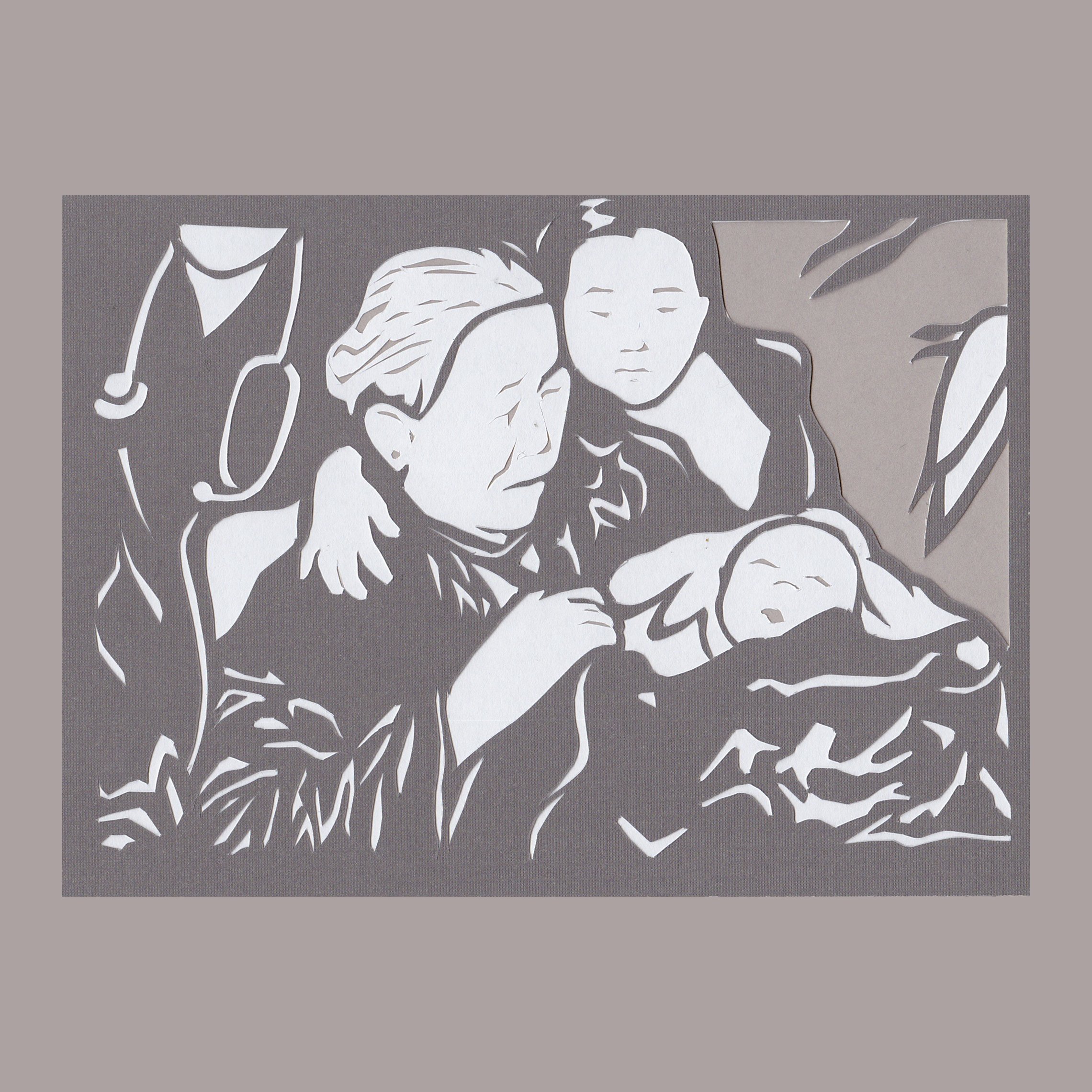
Ms. Saunders’ wisdom like a sounding alarm, reminded us that enhancing patients’ grace matters not only for the patients but also for the families and friends around them. Studying palliative care’s philosophy and reading Dame Saunders’ life story reminded us of a WELL feature.

“Support the overall health and wellbeing of individuals and their families by offering comprehensive health benefits, policy, and services.” — WELL C06, Health Service and Benefit

It is the time to share our awareness of patients’ comfort and acknowledge healthcare professionals for their remarkable contribution to making a quality life for patients and their families. On this Home Care and Hospice month, we design this card for homebased healthcare professionals, thanks to them support those stay-home patients, so patients can benefit from professional care and enjoy family time simultaniously.


As a side note, even though all hospice centers offer a “home-like” environment, the building is considered an Institutional group use because this kind of facility requires medical care and a supervised setting on a 24-hour basis.

Ideally, in a hospice or “home-like” care environment, a few design considerations could help with patients, such as large windows, short walking distance, therapeutic landscape, or easy way-finding.


The sketch shows a typical patient room in Hospice Care Centers based on her understanding of care centers’ websites. One type of patient room allows the family member to stay; the other does not.


By the way…

According to the Medicare official website, Hospice care is a Medicare benefit taxpayers have earned. The hospice benefit covers care for patients’ terminal illnesses and related conditions. Once the patient gets hospice care, original Medicare will cover everything they need related to their terminal illness. You can download the benefit booklet at medicare.gov.

If you like this topic, you might also like these articles…